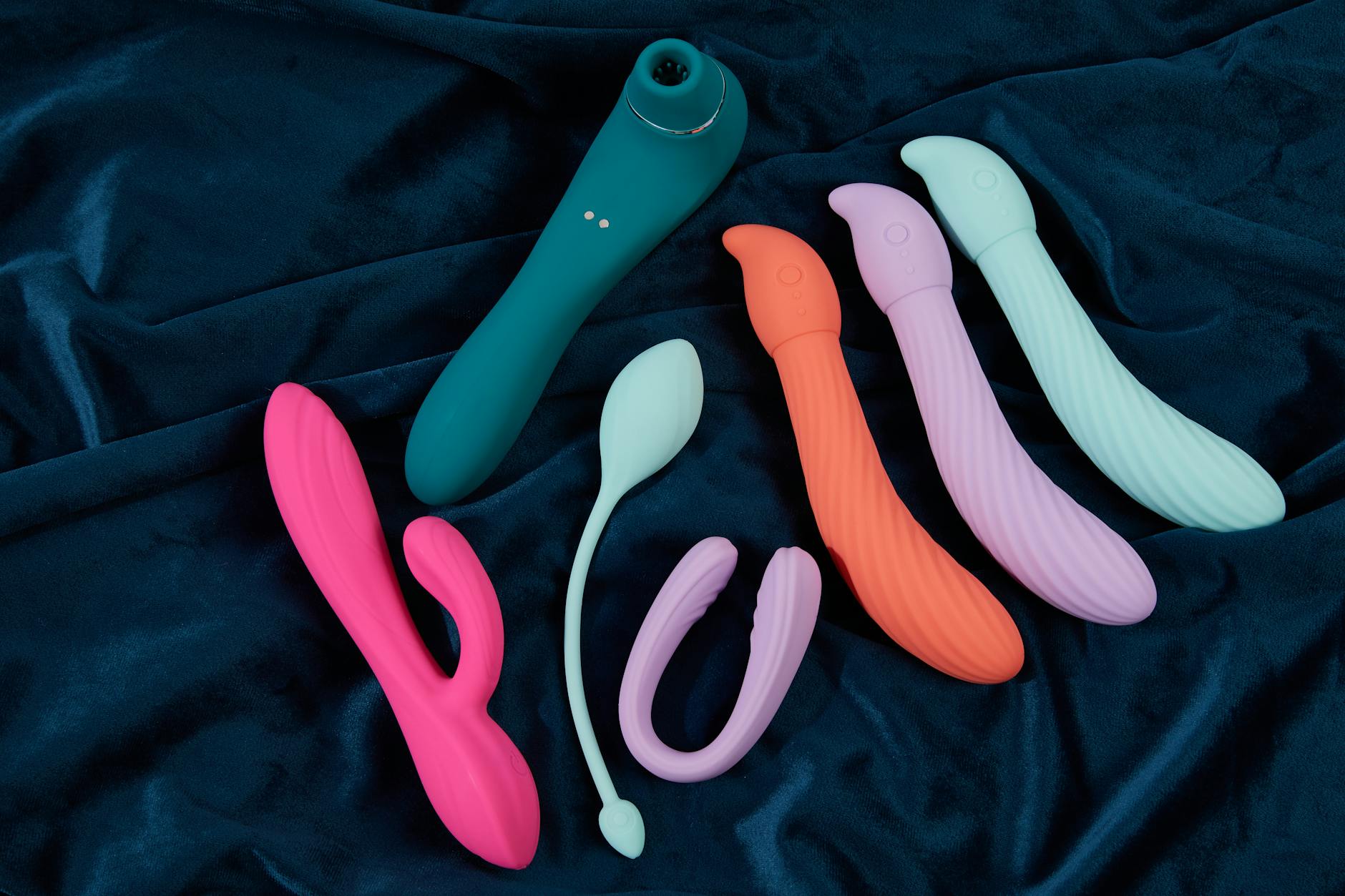
Let's name what's actually happening
Your partner gets quiet when toys come up. Maybe they change the subject. Maybe they say "I don't need that" or "Isn't that cheating?" or the worst one: "Am I not enough?" These aren't conversations about lemon vibrators. They're conversations about insecurity, fairness, and whether you actually want them.
Honestly, that's workable. Nervousness is just incomplete information dressed up in anxiety.
Why partners get nervous about toys
It's rarely about the toy itself. It's about what they think it means. Here are the actual fears I hear:
Fear one: I'm being replaced. Your partner thinks you want them instead of them, not in addition to them. That's the real threat.
Fear two: I'm doing something wrong. If you needed a toy, the logic goes, you would've asked before now. So what changed? And what does that say about me?
Fear three: This is going to be weird and I won't know what to do. Toys introduce a third variable into something that already feels risky. That's genuinely uncomfortable.
Fear four: We're not supposed to need this. Some people were raised with the narrative that good sex is intuitive, mutual, and requires no tools. A toy contradicts that entire story about what "normal" looks like.
None of these fears is stupid. They're just missing context. Your job is to provide it.
Start with curiosity, not negotiation
Don't open with "I want to try a lemon vibrator." That puts them on defense immediately. You're asking permission, not inviting exploration. Instead, lead with information.
Try something like: "I've been reading about clitoral vibrators and how they work differently on different bodies. I'm curious what the science says about why people respond to them. Want to look at some stuff together?"
That's collaborative. It's not about convincing them. It's about understanding together. You're not saying "I need this." You're saying "I want to understand this with you."
If they say no, you drop it that night and revisit in a week or two. Pressure kills curiosity instantly.
Make it about sensation, not substitution
Once you're in conversation, separate two ideas that your partner is probably conflating: sensation and intimacy. A lemon vibrator isn't a replacement for them. It's a different sensation that your body can respond to. That's actually a gift you're offering the relationship.
Here's the frame that works: "I get more intense pleasure from suction than I do from other kinds of stimulation. That's not a reflection on you or what we do together. It's just how my body is wired. A lemon vibrator lets me experience that. And honestly, I'd rather explore that with you than alone."
Notice what that does. It's not criticism. It's not asking them to be different. It's asking them to be part of something that makes you feel good. Most people can get behind that.
Introduce it slowly, outside the bedroom
Don't bring a lemon vibrator to bed on Friday night without warning. That's a recipe for panic and resentment.
Instead, show it to them when you're on the couch, not in a sexual context. Let them hold it. Let them see that it's a design object, not some weird medical device. Explain how suction works. Show them where the button is. Make it boring and matter-of-fact.
Some partners will be curious right away. Others will need time to just sit with it existing in their mental model of your relationship. Both are fine. You're building familiarity.
When using lemon vibrators with a new partner, the timeline matters more than speed.
Let them be part of the choice
If your partner is nervous, giving them agency reduces defensiveness. Instead of "I bought this lemon clitoral vibrator," try "I'm thinking about trying a lemon vibrator, but I want to pick one I'd feel good using with you. What do you think about starting with something smaller or quieter?"
Suddenly they're not being told what's happening to your body. They're being consulted about it. That's a totally different power dynamic.
If they help choose it, they own the decision too. That matters psychologically.
Address the real fears directly
Once you've introduced the concept and they're asking questions, name the fears you suspect they have. Don't wait for them to bring it up.
"I know this might feel like I'm not satisfied with us. I'm actually not saying that. I'm saying that my body responds to different kinds of stimulation, and I trust you enough to explore that together. That's the opposite of replacing you."
Or: "You're not doing anything wrong. This isn't about your skills. It's about how my nervous system is wired. Some people need deeper pressure, some need vibration, some need suction. I need suction sometimes. That doesn't diminish everything else we do."
Or: "I get that this feels outside the box. But good sex isn't about intuition alone. It's about knowing your own body and asking for what actually works. I'm asking you to be part of that."
These aren't perfect scripts. But they name the thing your partner is actually worried about. And they do it with kindness, not defensiveness.
Make the first time about them
When you finally use a lemon vibrator together, don't put the pressure on your partner to "do it right." Especially if they're nervous, they'll be in their head about technique instead of the experience.
Try this: "I want to show you what this feels like. You don't have to do anything. Just be here with me. If you want to touch me at the same time, that's great. If not, that's fine too."
You control the toy. You set the pace. Your partner's job is just to witness it and stay present. That takes the performance pressure off them. They're not failing at anything because they're not responsible for anything.
After, talk about it. Not the technique. The experience. "That felt good. I liked that you were here." Simple stuff. You're building positive associations, not standards they have to meet.
When nervousness is actually a boundary
Sometimes nervousness is protective. Sometimes your partner isn't uncomfortable with toys. They're uncomfortable with the relationship itself or with vulnerability or with something much deeper.
If you've had the conversation multiple times and they keep shutting down, that's worth exploring together, maybe with a couples therapist. Because the issue isn't the lemon vibrator anymore. It's that your partner can't have a conversation about pleasure without feeling threatened.
That's real, and it needs real help.
The timeline is gentle
Introduction to curiosity takes a few weeks. Curiosity to actually trying takes a few more. And from first try to comfort and pleasure? That might be months. That's normal. You're rewiring how your partner thinks about tools, about your body, about what sex can be.
Rush it and they'll feel pressured. Give it time and they'll move from nervous to curious to genuinely interested. I've seen partners who were skeptical become the ones asking to use lemon vibrators during sex because they started feeling the pleasure their partner was experiencing.
Your partner's nervousness is feedback. Not rejection. They're telling you they need more information, more reassurance, more time. That's solvable.
People also ask
Is it normal for partners to be nervous about toys?
Completely normal. Most people weren't taught that toys are normal, healthy, or complementary. They were taught that "real" sex doesn't need them. So toys feel like either a sign that something's wrong or a threat to the relationship. Nervousness usually means your partner cares about the relationship. They're just protecting it with outdated information.
How do I bring up lemon vibrators without my partner feeling insulted?
Frame it as something you want to experience, not something you need because they're not enough. Say "I want to explore this sensation" instead of "I need more." And lead with curiosity, not demand. Reading about it together takes the spotlight off the relationship and puts it on education.
What if my partner says no to using a lemon vibrator?
Then you respect that. You don't push, you don't pout, you don't bring it up every week. But you also don't pretend you're not disappointed. You can say "I'm sad about that, but I respect your boundary." And then you actually let it go. Sometimes people change their minds when they don't feel pressured.
Can I use a lemon clitoral vibrator alone if my partner isn't ready?
Yes, absolutely. Your pleasure doesn't depend on your partner's comfort level. But be honest about it if they ask. And don't hide it like it's shameful. That reinforces the idea that toys are something to be embarrassed about.
What makes lemon vibrators different from regular vibrators that might be less intimidating?
Lem vibrators use suction instead of vibration, which feels completely different and often more intense. They're also iconic, beautiful design objects that don't look "clinical." Some partners find that less threatening because they're honestly just beautiful to look at. The suction mechanism also tends to feel more natural to bodies that have struggled with traditional vibration.
How long does it usually take for a nervous partner to become comfortable with toys?
It varies wildly. Some partners come around in a month. Others take six. Comfort grows when there's no pressure, when you keep the conversation open, and when you focus on pleasure, not persuasion. The moment you stop trying to convince them, many people relax enough to actually explore.
What comes next
Your partner's nervousness isn't a problem to solve. It's information. They're telling you they need reassurance, collaboration, and time. That's actually a good sign. It means they care enough about the relationship to feel vulnerable about changes.
If you approach this with patience, honesty, and zero pressure, you're not just introducing them to a lemon vibrator. You're teaching them that pleasure conversations are safe, that their body matters, and that you're in this together.
That's the gift that actually lasts.