
Let's name the actual fear
Introducing a lemon vibrator or any clitoral vibrator to a new partner isn't really about the toy. It's about vulnerability. You're saying, "Here's what I like. This is how my body works best." That exposure feels enormous, especially early on when you're still figuring out if you trust someone with the smaller truths, let alone this one.
The good news: most partners don't react the way your anxiety tells you they will. They react with curiosity, relief ("Oh, so I don't have to guess"), or gratitude. Some react with their own nervousness, which is just as valid. What almost never happens is rejection, even though that's what your brain keeps replaying.
The timing question (earlier than you think)
You don't need to introduce it on date one. You also don't need to wait until you've been together for a year. Somewhere between "we're sleeping together regularly" and "we're having good conversations about what we want" is the sweet spot.
For most people, that's anywhere from date three to date eight, depending on how fast the connection moves. The rule isn't about time. It's about: Do you trust them enough to be honest? Do they seem curious and open, or defensive about pleasure and bodies?
If they've already asked what you like, or mentioned their own preferences, that's a green light. If sex has been one-sided and they've shown no interest in your experience, wait until the dynamic shifts. A toy won't fix that.
How to start the conversation
You don't need a formal announcement. Honestly, the most natural intros happen casually, not in a serious sit-down.
Here are three real openers that work:
Option 1: During foreplay, low-key. "Hey, I have something I love using. Want to see?" This is the least dramatic because you're already in the moment. The tone is just... normal.
Option 2: In a text, earlier in the day. "I've been thinking about trying something new with you. I have a clitoral vibrator I really like. Would you be open to that?" Text gives you both space to think without the pressure of a real-time reaction.
Option 3: Over a drink, casually. "I realized I never told you this, but I use a toy called a Lem. It's like a lemon clitoral vibrator but suction-based. I'd love to use it with you if you're curious." This frames it as information you're sharing, not a secret you're confessing.
Notice what's missing: apologies. Don't say "I'm sorry" or "I hope you don't mind." You're not asking permission. You're inviting them into something you enjoy.
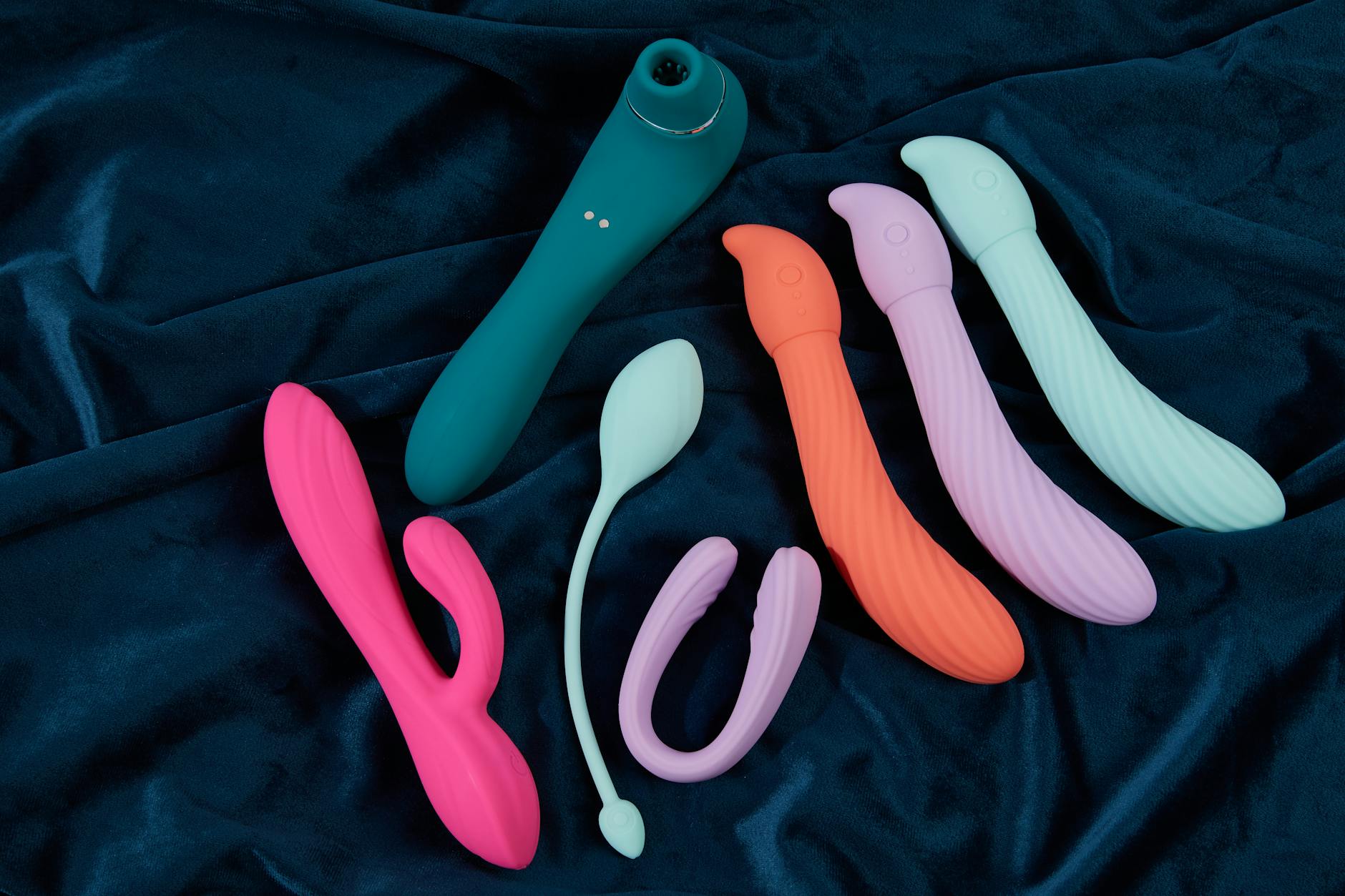
Photo by IFONNX Toys on Pexels
What to say if they seem hesitant
Some partners hesitate because they think the toy means they're not enough. This is insecurity, and it's worth addressing directly, but gently.
"This isn't about you. It's about how my body responds. Most people with vulvas need clitoral stimulation to orgasm, and this helps me get there. You and I can use it together." That's it. You're explaining biology, not criticizing their technique.
If they're worried it will "replace" them: "I want this with you, not instead of you." Then show them. Use it during foreplay. Let them hold it. Let them control the intensity while you guide them. Make it collaborative, not something you're doing alone in the corner.
If they're uncomfortable with sex toys in general, that's worth a longer conversation about why. Is it religious? Cultural? Past experience? Once you know the root, you can address it. Sometimes education helps ("This is just a wellness tool"). Sometimes it's a compatibility issue you need to sit with.
The first time using it together
Set yourself up for success, not pressure.
Choose a time when you're both relaxed and have privacy. Not a rushed morning or a day when one of you is stressed. You want mental space, not logistics anxiety on top of everything else.
Start with the Lem (or whichever lemon vibrator you choose) at the lowest setting. Let your partner see how it works before you use it. No mystery, no surprise.
When you do use it, guide them. "A little slower here" or "Right there, that's perfect." You're not directing a symphony. You're just letting them know what works. Most partners appreciate the feedback because it means they're getting it right.
If your body doesn't respond the first time, that's normal. Nervousness kills arousal. You might feel self-conscious, or they might be watching your face too intently, or the timing just feels off. One awkward session doesn't mean it won't work. Try again when the pressure is lower.
What changes after the first time
Once you've done it once, it becomes normal. The vulnerability softens. Most couples find that introducing toys actually deepens things because you've named desire directly instead of dancing around it.
After that first time, you can use lemon clitoral vibrators more spontaneously. They integrate into foreplay naturally. Your partner might even want to experiment with different settings or techniques. That's great. That's the whole point.
Some partners become more confident in bed once they see what you respond to. They're no longer guessing. They know exactly what turns you on, and that's powerful for both of you.
The conversation after
Don't overthink the debrief. A simple "That felt good" or "I liked that" is enough. You don't need to analyze it to death.
If something didn't work, that's data, not failure. "I think I'd prefer if you held it while I guide you" or "Let's try a different position next time" are just adjustments, not criticism.
If it went really well, let yourself feel good about that. You communicated. You were vulnerable. Your partner responded with openness. That's the foundation of everything else.
Common worries, addressed
"What if they think I'm too experienced?" They won't. Everyone uses tools. Your body isn't telling a story about your past. It's telling the story of what works now.
"What if they want to use it and I don't want them to?" That's fine. You can set a boundary. "I prefer to use this solo, but I love when you're watching" or "Let's stick with me controlling it for now." Your toy, your rules.
"What if we break up and I feel awkward about it?" You won't. The toy was never about them. You'll just keep using it, and the next person will either be cool with it or you'll mention it the same way you did this time.
Why this actually strengthens things
Introducing a toy with a new partner is an act of trust. You're saying, "I want you to know me, really." Not just surface attraction, but your body's actual language.
Partners who respond well to that tend to be partners worth keeping. They prove they care more about your pleasure than their ego. They're curious instead of defensive. Those are qualities you want in someone anyway.
Honestly, this conversation is a filter. It filters out people who can't handle your needs, and it confirms the ones who can. That's useful information six weeks in, not six months in.
FAQ: Introducing Toys to New Partners
How long should I wait before mentioning I use a lemon vibrator?
You should bring it up once you're sleeping together regularly and conversation feels open. That's usually three to eight dates in, depending on connection speed. The timeline matters less than the trust level. If you feel safe being honest about other things, you're ready.
What if my new partner asks if I'm "broken" because I use a clitoral vibrator?
You're not broken. Most people with vulvas require clitoral stimulation to orgasm. A vibrator isn't a workaround for dysfunction. It's how your body works best. If someone frames it as a problem with you rather than a feature of bodies, that's a red flag about their attitude toward pleasure and shame.
Should I buy a new toy specifically to introduce to them, or use one I've had?
Use one you already have and love. You're confident with it. You know how it works. A familiar toy also removes the awkwardness of "I just bought this for you," which can feel transactional. Once they're comfortable, you can explore other options together if you want to.
Is it weird if they want to use the lemon vibrator on themselves?
Not weird at all. Some partners are curious about how toys feel on their own body. If you're comfortable sharing, let them try it. If you prefer to keep it for yourself, that's a boundary you can set. Either way is fine.
What if they suggest using it but I'm not in the mood?
Say no. "I'm not feeling it tonight, but I'd love to another time." You never have to use a toy if you don't want to, even if your partner suggests it. Desire works both ways.
How do I bring up that I'd like them to use a toy on me if they haven't suggested it?
Same way you'd bring up any preference. "I really enjoy when you use my vibrator during foreplay. Would you be open to that?" or "I'd love it if you incorporated this into what we do." Most partners say yes because it means you're telling them exactly what feels good.
What comes next
Introducing a toy to a new partner is a conversation, not a crisis. You're having it because you want them to know you fully, and that's brave. Most people respond to bravery with openness. Some will surprise you with their own desires they've been holding back.
If you're still nervous about the talk, remember this: the toy is the easy part. The hard part is being honest about what you want. You're already doing that. Everything else is just logistics.
If you need more guidance on communication or navigating new relationship dynamics, our team at Hello Nancy is here to help. Reach out anytime.