Here's the thing nobody tells you about sensitive skin and toys
Sensitive skin doesn't mean you can't use lemon vibrators. It means you need to be pickier about which ones. The difference between a toy that feels silky and nourishing and one that leaves you itchy or irritated comes down to material composition, manufacturing standards, and what's actually coating that surface. Most people assume all silicone is created equal. It isn't.
If you've had reactions to sex toys in the past, or if your skin flares up around elastic, fragrance, or synthetic materials generally, this isn't a character flaw. Your skin is just being honest about what it can tolerate. The good news is that lemon sexual toys made from medical-grade silicone, phthalate-free designs, and reputable manufacturers exist specifically for this reason.
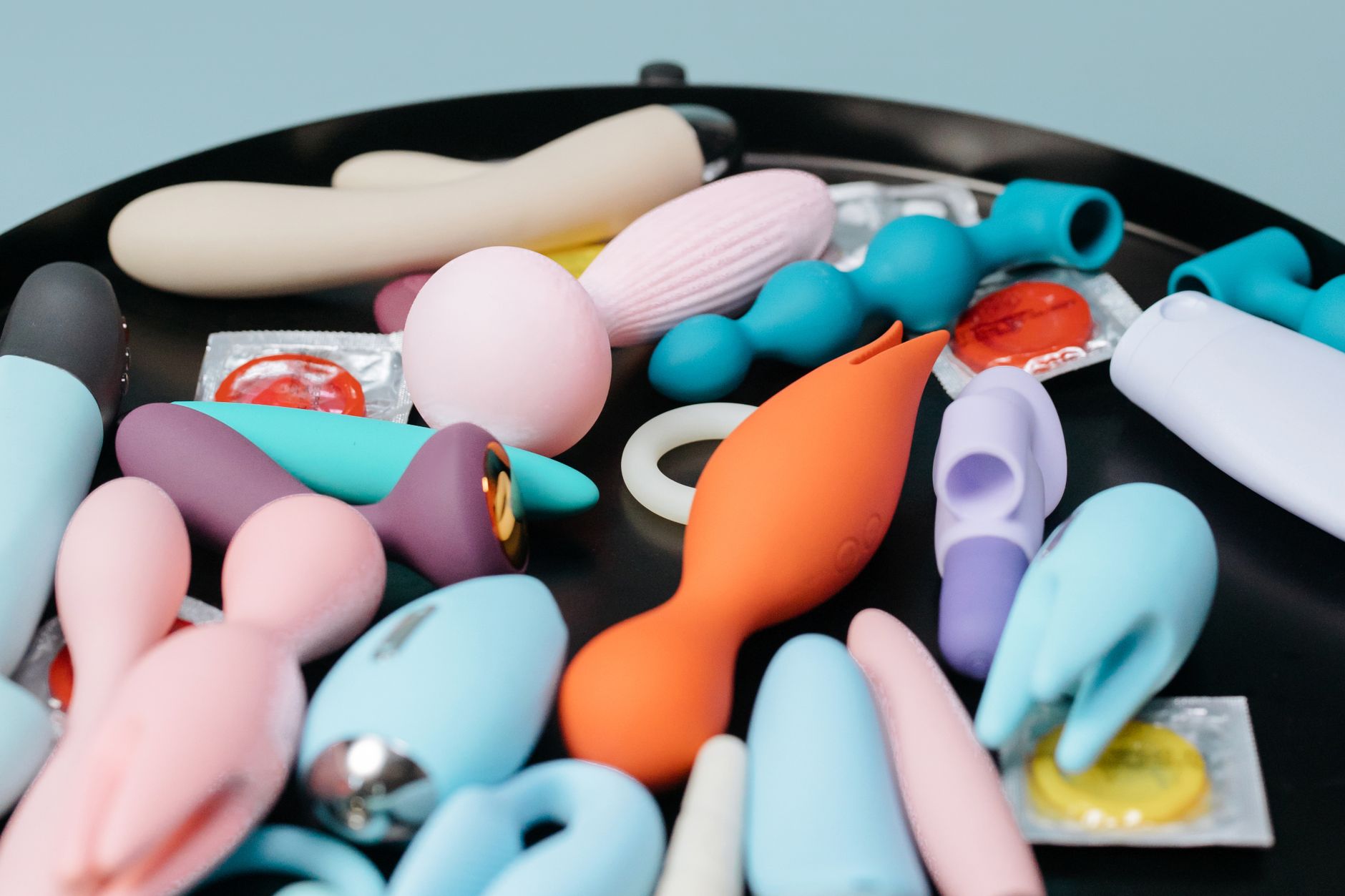 Photo by cottonbro studio on Pexels
What actually causes reactions to lemon vibrators
Three culprits show up in nearly every case I've worked through.
Phthalates and plasticizers. These chemicals make rubber flexible and affordable. They're also endocrine disruptors that can leach into your body. Cheap vibrators and some lemon sucker toys use them liberally. If you're sensitive to petrochemical plastics generally, phthalate-laden toys will trigger contact dermatitis within hours. Your skin reddens, itches, sometimes feels almost sunburned around the contact area.
Low-grade silicone and fillers. Not all silicone is medical-grade. Budget lemon adult toys sometimes use silicone blended with cheaper polymers or plasticizers to cut costs. This mixed material degrades faster, holds onto bacteria, and irritates sensitive vulval tissue far more easily than pure silicone does. The toy might feel slightly tacky or grainy to the touch, which is a sign right there.
Residual manufacturing chemicals. Even good silicone needs careful processing. If a manufacturer skips thorough cleaning after molding, you're introducing talc, mold release agents, or other dust into intimate contact. This is rare with reputable brands, but it happens. That's why washing a new toy before first use matters, even if it seems clean.
Medical-grade silicone explained
Medical-grade silicone sounds fancy, but it's actually a specific standard. It means the material has been tested and certified to be non-toxic, non-reactive, and safe for prolonged skin contact. It contains no phthalates, no latex, and no fillers. It's the same material used in implants, catheters, and medical tubing.
When you're shopping for a lemon clitoral vibrator and your skin is sensitive, "medical-grade silicone" should be printed right on the box or product description. If a brand is vague about materials, that's a yellow flag. Transparency matters because they're literally touching your body.
Medical-grade silicone is also non-porous, which means bacteria can't settle into microscopic pits the way they can in lower-grade materials. This makes cleaning easier and keeps the toy safer for longer. You can wash it with warm water and soap, boil it, or use a toy cleaner without degrading the material.
Why lemon vibrators specifically work well for sensitive skin
The suction-based design of lemon sexual toys offers something that traditional vibrators often can't: gentler, more distributed pressure. When you're dealing with sensitive or reactive vulval tissue, sharp vibration frequencies can feel almost raw. Suction works differently. It's a pulling sensation rather than a buzzing one, and you control the intensity by adjusting the pattern and intensity levels.
A well-made lem vibrator also tends to have a smaller surface area in contact with your skin at any given moment, which means less material-to-skin friction overall. This is genuinely helpful if you've had irritation with wand vibrators or other designs that press a larger area against your body for extended periods.
That said, material quality still matters enormously. A cheap lemon sucker made from questionable silicone will still irritate you, even if the design is gentler. The geometry helps, but it can't override chemical sensitivity.
Testing before committing
Honestly, the smartest move with a new toy when you have sensitive skin is a patch test. Wash the toy thoroughly with warm water and unscented soap. Dry it completely. Then hold it against your inner arm or thigh for 15 to 20 minutes. If you're going to have a reaction, a small area like this will show it before it affects more delicate tissue.
If the patch test passes, move forward. But still start with lower intensity and shorter sessions your first few times. Your body needs a chance to acclimate to new materials, and skin sensitivity can be cumulative. You might be fine for five minutes but reactive after twenty.
If you do notice irritation developing, stop immediately. Wash the area with cool water and gentle cleanser. Apply a fragrance-free moisturizer designed for sensitive skin. Then reach out to the brand or a healthcare provider if it doesn't settle within a day or two.
What to check before buying
When you're shopping for lemon clitoral vibrators and you have sensitive skin, here's your checklist.
Material certification. Look for "medical-grade silicone" explicitly stated. Some brands say "hypoallergenic silicone" or "body-safe silicone." These are fine too, but medical-grade is the clearest standard. Avoid anything labeled just "silicone" without qualification, or anything that doesn't specify materials at all.
No phthalates. The product page should state this clearly. If it doesn't, ask directly via email or chat before you buy.
Finish and texture. Smoother surfaces are generally better for sensitive skin. If a product photo shows a grainy or speckled texture, that's likely a sign of fillers or lower-grade material. Run your finger over it in person if you can, or watch a video review where someone demonstrates the texture.
Color and consistency. Medical-grade silicone comes in solid, opaque colors. If a toy looks translucent or glittery, or if the color seems inconsistent, that's often a sign of cheap fillers. Reputable lemon adult toys from Hello Nancy have clean, consistent coloring because they're made properly.
Brand reputation for sensitivity. Some Hello Nancy products have been tested specifically by people with sensitive skin and documented in reviews. Reading those reviews carefully is worth your time. Look for specific comments about irritation, itching, or skin reactions. If you see none, that's usually a good sign.
Cleaning and maintenance for sensitive skin
Even with the best material, how you clean your toy matters.
Wash it after every use with warm water and a gentle, fragrance-free cleanser. Avoid antibacterial soaps, which can be harsher and disrupt your natural flora. If you want extra reassurance, use a cleaner specifically designed for toys, but even plain warm water works fine.
Dry it thoroughly with a clean cloth before storing. Moisture sitting on silicone can sometimes trap bacteria or cause slight degradation. Store it somewhere cool, dark, and dry. A dedicated pouch helps keep it away from dust and other materials that might irritate sensitive skin later.
When you're ready to try a lemon clitoral vibrator, consider starting with a water-based or hypoallergenic toy cleaner if you want the extra step. These won't interfere with the silicone and can give you confidence that you're being thorough. Boiling a lemon vibrator once every month or two is also safe if you prefer a heat-based approach.
Alternative materials if silicone still bothers you
Rarely, someone is sensitive even to medical-grade silicone. This is uncommon but real. In those cases, other options exist.
Glass or ceramic. Non-porous, inert, and completely hypoallergenic. They're also less flexible, so they won't feel the same as a silicone lemon sucker, but they're worth exploring if silicone hasn't worked. They can be cold at first, so warming them under warm water helps.
Stainless steel. Another ultra-inert option. Usually only part of a toy (like an internal structure), but some all-metal designs exist. They're durable and hypoallergenic but also less ergonomic than silicone.
Borosilicate glass. A step beyond regular glass. It's more durable and won't scratch easily. Still completely inert and hypoallergenic.
If you're this sensitive, reach out to Hello Nancy directly. We can point you toward specific products or discuss custom options. Your pleasure matters, and that includes your skin staying happy.
When to seek professional support
If you develop a reaction to a toy and it doesn't clear within 24 to 48 hours, or if it gets worse despite stopping use, talk to a healthcare provider. You might have an underlying sensitivity that needs attention, or the reaction might be related to something else entirely.
A gynecologist or dermatologist can help you understand whether you're having a contact reaction, an allergic response, or something else. They can also recommend specific materials or products that might work better for your body. This isn't something to guess about on your own.
If you've had pelvic inflammatory disease, bacterial vaginosis, or yeast infections, or if you're in a heightened sensitivity state due to hormonal shifts, you might temporarily react to materials you've tolerated before. That's normal. It passes. But it's still worth mentioning to a healthcare provider so you understand what's happening.
FAQ: Sensitive Skin and Lemon Vibrators
What's the difference between medical-grade and body-safe silicone?
Medical-grade is the more rigorous standard. Body-safe generally means it's non-toxic and phthalate-free, which is good, but medical-grade has undergone specific FDA or equivalent testing for safety in sustained skin contact. If you have sensitive skin, medical-grade is the safer bet because it's been formally certified. All medical-grade silicone is body-safe, but not all body-safe products are medical-grade.
Can I use lube with a silicone lemon vibrator if I have sensitive skin?
Yes, but choose your lube carefully. Water-based lubes are safest with silicone and least likely to cause irritation. If you have sensitive skin specifically, look for hypoallergenic water-based lubes with minimal additives. Avoid silicone-based lubes with silicone toys (they can degrade the toy), and avoid oil-based lubes because they can trap bacteria. A reputable water-based lube designed for sensitive skin is your best friend here.
How do I know if my reaction is to the toy material or to something else?
Patch testing helps narrow it down. If your reaction is localized only to where the toy touched your skin and it appears within minutes to hours, it's likely a material reaction. If it's widespread, delayed, or accompanied by other symptoms like discharge or odor, talk to a healthcare provider. The toy might be fine, but something else might be going on.
Is a more expensive lemon clitoral vibrator always better for sensitive skin?
Not always, but price often correlates with quality control. A $89 lemon vibrator from a reputable brand typically has stricter manufacturing standards than a $20 option. That said, price isn't a guarantee. Read reviews from other people with sensitive skin before buying. Their real experiences matter more than the price tag.
Can I return a toy if it irritates my skin?
Most reputable brands, including Hello Nancy, offer returns or exchanges if a product causes an allergic reaction or irritation. Document your reaction with photos if you can. Keep the toy clean and in its original condition. Contact customer service honestly about what happened. A good brand will work with you because they want you to find something that works for your body.
Should I be worried about toys leaching chemicals into my body?
With medical-grade silicone from reputable manufacturers, no. The material is non-porous and inert. Nothing leaches. With lower-grade materials or toys with phthalates, yes, there's a real risk. This is another reason to invest in quality. You're not just buying comfort. You're buying peace of mind about what's entering your body.
Next steps for sensitive skin
You deserve a lemon vibrator that feels incredible without leaving you itchy or uncomfortable. That means doing your homework on materials, trusting patch testing, and choosing brands that take quality seriously. If you're unsure whether a specific product will work for you, get in touch. Tell us about your sensitivities, and we'll help you find something that works.
Your skin is part of your pleasure. Taking care of it isn't overcautious. It's essential.