Why Lemon Vibrators Work Better Than Traditional Toys for Clitoral Sensitivity
If you've ever felt overstimulated by a standard vibrator, gone numb halfway through, or felt that weird numbness-mixed-with-rawness that comes from prolonged buzzing, you're not alone. Millions of people reach for traditional vibrators and find that the relentless buzz either does nothing or does too much. There's rarely a middle ground.
The reason? Traditional vibrators and lemon clitoral vibrators work on completely different principles. One relies on rapid mechanical oscillation. The other uses air-suction technology to create a gentle seal and rhythmic pulse. The difference isn't subtle. It's the reason why so many people report that switching to a lemon vibrator feels like discovering pleasure for the first time.
How Traditional Vibrators Actually Work (and Why They Fail Sensitive Vulvas)
A standard vibrator creates stimulation through direct, continuous vibration. A motor runs at somewhere between 3,000 and 10,000 RPM, and that motor moves the toy's body back and forth, up and down, or in some combination. The entire surface transmits that vibration directly to your skin and nerve endings.
For some people, this is perfect. For others, it's the sexual equivalent of trying to read while someone shakes your shoulder.
The problem with continuous vibration, especially at higher intensities, is that it can desensitize nerve endings. Your body's sensory receptors respond to change, not to constant stimulus. If you expose nerve endings to the same buzz over and over, they stop registering it as intensely. This is called sensory adaptation. After 15 or 20 minutes of vibration, many people report needing to turn the intensity up, which only accelerates the adaptation cycle.
For people with sensitive vulvas, the problem is even sharper. Sensitive tissue gets irritated by sustained mechanical friction and vibration. You might feel amazing for five minutes, then suddenly uncomfortable or even a little raw. The clitoris has roughly 8,000 nerve endings packed into a tiny area. When all those nerve endings are being stimulated the same way, the same speed, the same pressure, fatigue sets in fast.
The Lemon Vibrator Difference: Air-Suction Instead of Vibration
A lemon clitoral vibrator works on a fundamentally different mechanism. Instead of buzzing, it creates a gentle suction combined with rhythmic pulses. Think of it less like shaking and more like a soft kiss with a subtle rhythm underneath.
Here's what happens when you turn on a lemon vibrator: a small motor creates suction inside the cup. This suction creates a gentle seal around the clitoris, and then the motor cycles that suction on and off in a rhythmic pattern. Some patterns are constant pulses. Others build and release. Some patterns are more rapid, some slower.
What this means for your nerve endings is totally different from vibration. Instead of mechanical friction desensitizing tissue, the suction creates a pulling sensation combined with dynamic pressure changes. Your sensory receptors don't habituate to this the same way they do to vibration. The sensation stays fresh. The stimulation feels dynamic rather than monotonous.
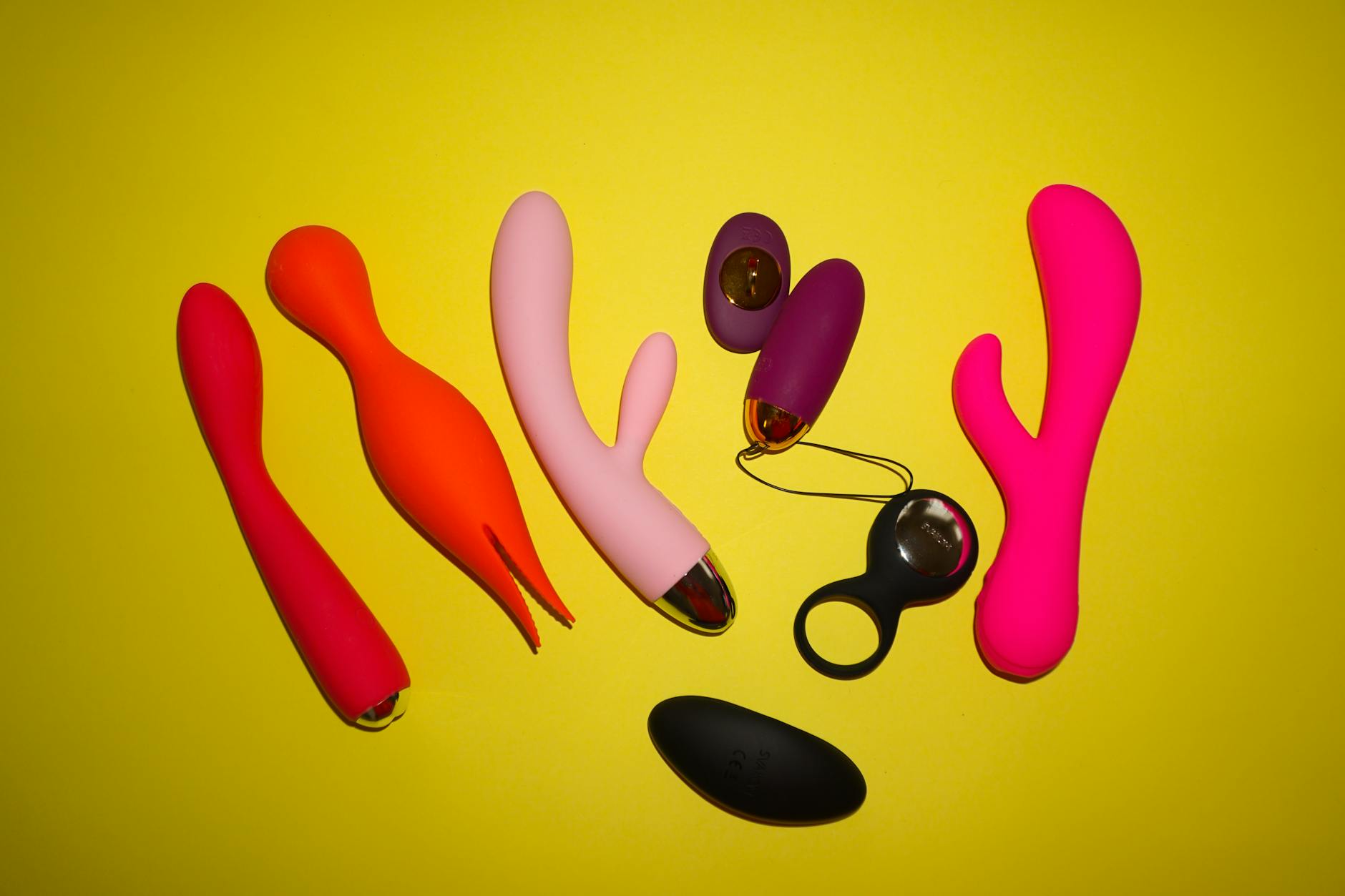
Photo by FounderTips . on Pexels
Why Sensitive Vulvas Respond So Much Better to Lemon Vibrators
There are three physiological reasons why people with clitoral sensitivity tend to have better experiences with lemon clitoral vibrators than with traditional toys.
First: reduced mechanical friction. A lemon vibrator doesn't rub. It pulses. There's no back-and-forth movement against skin. This is crucial for anyone with vulvodynia, lichen sclerosus, dermatitis, or any condition where friction triggers pain. Even without a diagnosed condition, many people simply have tissue that gets irritated by rubbing. The suction method bypasses this entirely.
Second: the sensation doesn't plateau. Because suction and pulse patterns create novelty for sensory receptors, you don't hit the same desensitization ceiling that traditional vibration creates. People report using a lemon vibrator for longer and enjoying it more, without needing to turn it up to higher intensities. This is particularly important because turning up intensity on an already-sensitive vulva is often counterproductive.
Third: the seal distributes pressure differently. With a traditional vibrator, all the stimulation is concentrated on the exact spot the toy touches. A lemon vibrator creates gentle suction that spreads the sensation across the entire external clitoris. This distributed stimulation is gentler while still being effective. You're not hammering one spot. You're enveloping the whole area with rhythm.
The Experience: What People Actually Report
I've worked with clients who've spent years thinking they were broken because they couldn't finish with traditional vibrators, or because sex toys made them numb or sore. When they switch to a lemon clitoral vibrator, the experience is often revelatory.
"It doesn't feel like a jackhammer" is the most common description. "It feels like something is actually happening rather than something just vibrating against me." Another frequent comment: "I can use it longer without getting tired or numb."
People with sensitivity also report less of the post-use rawness that sometimes follows traditional vibrators. Because there's no friction, tissue doesn't get irritated. This matters more than it sounds if you're someone who used to need recovery time between sessions.
The orgasms people report are different too. They tend to be more localized, more intense, and faster to build. Some people experience orgasms that are more concentrated in the clitoris itself rather than full-body responses. Others find they can have multiple orgasms in one session because the toy doesn't desensitize them. Both experiences are completely normal.
How to Choose the Right Pattern and Intensity
One huge advantage of lemon vibrators over traditional toys is that intensity isn't binary. A traditional vibrator on setting 3 is just... setting 3. A lemon vibrator has pulse patterns. Pattern 1 might be a slow, steady pulse. Pattern 4 might be rapid pulses with varied rhythm. Pattern 7 might be a wave effect.
For sensitive vulvas, this matters enormously. You can start on pattern 1 or 2 and explore what your body actually responds to rather than just turning up the speed. Many people find that patterns in the middle range feel better than the fastest ones. This is the opposite of traditional vibrators, where "stronger" is often assumed to be "better."
When you're first using a lemon vibrator, give yourself permission to take time exploring. The toy itself might come with guidance, but your clitoris will tell you what actually feels good. Don't feel like you need to reach the highest intensity or the fastest pattern. Pleasure isn't a race toward maximum sensation.
Common Myths About Air-Suction and Sensitivity
A few misconceptions float around about lemon vibrators and sensitive tissue. Let me address them.
Myth: The suction feels weird and uncomfortable. Truth: The suction is gentle. It's not like the seal of a vacuum. It's more like a soft pressure, and it's designed to feel pleasant. Trials with sensitive testers confirm it's actually more comfortable than the friction of traditional vibration.
Myth: You need a higher intensity to feel anything with lemon vibrators. Truth: The opposite. Most people find lemon vibrators effective at lower intensities than traditional toys. The sensation is more dynamic, so you don't need to crank it up to feel stimulation.
Myth: Air-suction toys are only for advanced users. Truth: They're actually great for anyone, and especially for people who've had bad experiences with traditional vibrators. How to Use Lemon Vibrators Safely With Sensitive Vulvas and Low Intensity covers this in depth, but the short version is: start on the gentlest setting and go from there.
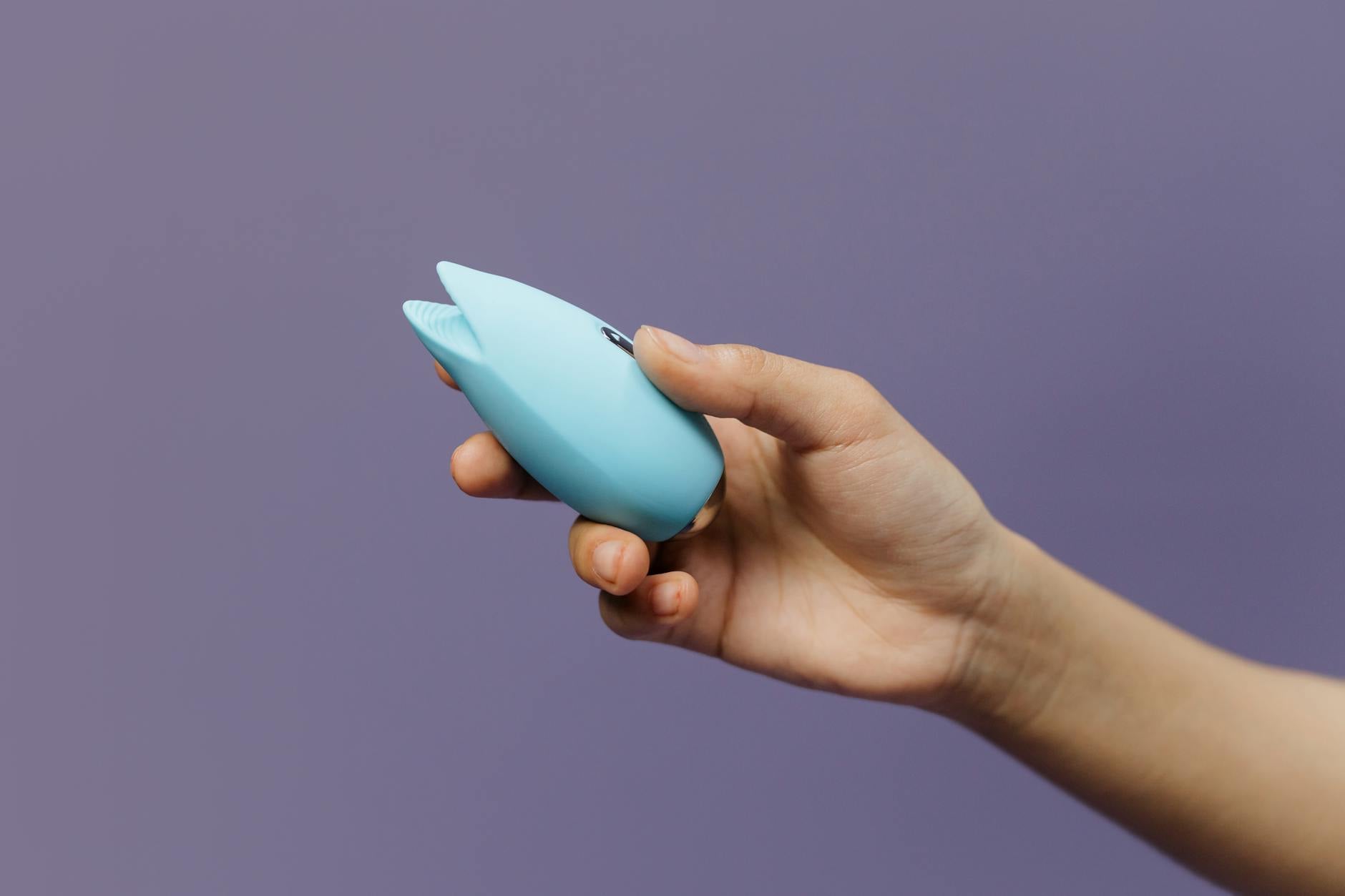
Photo by cottonbro studio on Pexels
Sensitivity Isn't Static
One thing that's helped my clients tremendously is understanding that clitoral sensitivity changes. It's not fixed. Stress, hydration, hormones, time in your cycle, medications, and relationship status all shift how sensitive your vulva is and what kind of stimulation feels good.
This is one of the reasons lemon vibrators have such a huge advantage. A traditional vibrator at setting 2 is setting 2. A lemon vibrator with seven different patterns and variable intensity gives you way more room to adapt to what your body needs on any given day. Some days pattern 3 is perfect. Some days you need pattern 5. That flexibility matters.
If you've been avoiding sex toys because previous ones hurt or felt overwhelming, the issue probably wasn't you. It was likely a mismatch between the toy's mechanism and your tissue's needs. The lemon clitoral vibrator closes that gap.
The Science of Why This Feels Better
There's actual neuroscience backing this up. The sensory receptors in your clitoris include both mechanoreceptors (which respond to pressure and vibration) and thermoreceptors (which respond to temperature). Traditional vibrators primarily activate mechanoreceptors in the most repetitive, numbing way possible.
Air-suction creates a different signal pattern. The suction activates pressure receptors, but the rhythmic variation in that suction creates more complex neural firing patterns. Your brain gets a richer, more interesting input signal. That's partly why people don't experience the same sensory adaptation with lemon vibrators.
Plus, suction can create a very light stimulation of the clitoris without direct contact, which some people find either more or less intense depending on preference. There's just more variability in how the stimulus hits your nerve endings.
When to Consider Switching
If you're someone who experiences any of the following with traditional vibrators, a lemon vibrator is genuinely worth trying:
Numbness or desensitization after 10-15 minutes. Rawness or irritation after use. The need to keep increasing intensity to feel anything. Overstimulation or discomfort even at lower settings. A feeling that the vibration is unpleasant rather than pleasurable. Previous bad experiences with sex toys that left you thinking you couldn't enjoy them.
None of these mean there's anything wrong with you. They usually mean the tool wasn't right for your body. A lemon clitoral vibrator is a different tool entirely, and it solves these problems for most people.
Frequently Asked Questions
Can I use a lemon vibrator if I've never used a sex toy before?
Absolutely. In fact, many people use a lemon vibrator as their first toy because the mechanism feels more intuitive and less overwhelming than traditional vibrators. Start on the lowest pattern and take time exploring. There's no rush.
How long can I safely use a lemon vibrator in one session?
Most lemon vibrators can be used for 20-30 minutes comfortably, though many people find they don't want or need that long because the sensation stays fresh. If you experience any irritation, stop. Your body will tell you when it's had enough.
Do I need lubricant with a lemon clitoral vibrator?
You don't strictly need it, but many people find a water-based lubricant enhances the sensation and comfort. It's especially helpful if you have dryness or sensitivity. Never use silicone lube with silicone toys.
Is the sensation from a lemon vibrator stronger than traditional vibrators?
Not necessarily stronger, but different. It's often described as more intense in a satisfying way rather than overwhelming. Many people can reach orgasm faster and easier with a lemon vibrator, which some interpret as "stronger."
Will a lemon vibrator desensitize me over time like traditional vibrators do?
No. The suction mechanism and varied pulse patterns prevent the sensory adaptation that happens with continuous vibration. Most people report that lemon vibrators stay pleasurable over time.
What if the suction feels uncomfortable?
You can adjust the seal by repositioning the toy slightly. If you're sensitive to suction overall, start with a lower intensity pattern. Some people find certain patterns more pleasant than others. Spend time exploring what feels good rather than expecting to like every pattern immediately.
The bottom line: if traditional vibrators have left you numb, irritated, or convinced you can't enjoy sex toys, you've been using the wrong mechanism. A lemon vibrator works fundamentally differently, and for sensitive vulvas especially, that difference can be everything. Your pleasure deserves the right tool. For more on integrating lemon vibrators into partnered pleasure, check out Lemon Vibrators in Foreplay With Your Partner.
Ready to explore? Start low, go slow, and give yourself permission to enjoy whatever you find.