Here's what nobody tells you about pain during sex
Pain during penetration isn't a signal that your body doesn't want sex. It's usually a signal that arousal isn't where it needs to be for comfortable entry. The vaginal tissue needs blood flow, relaxation, and lubrication to stretch. When one or all of those things are missing, friction becomes friction instead of sensation.
Most advice stops there: "use more lube" or "take more time." Both help. But here's the part that changes everything. Clitoral stimulation via suction, as opposed to friction or vibration, allows you to build arousal separately from penetration pressure. This lets your nervous system relax while your body prepares.
That's why lemon vibrators, which use air-suction technology, work differently than traditional vibrators for people managing pain. Let me explain the physiology first, then the practical part.
Why suction beats vibration when penetration hurts
Traditional vibrators create pleasure through rhythmic stimulation of nerve endings. They're wonderful. But if your pelvic floor is guarding against pain, vibration can reinforce that protective tension. Your body tightens to defend itself against what it anticipates as uncomfortable.
Lemon clitoral vibrators use suction instead. The sensation is gentler, more diffuse, and crucially, it doesn't feel like it's preparing you for penetration the way direct clitoral vibration can. That psychological separation matters. Your nervous system isn't bracing for entry. It's just... responding to pleasure.
A lemon sucker like the Hello Nancy Lem works by gently drawing the clitoral tissue upward and stimulating the nerve clusters around the clitoris through gentle, rhythmic suction patterns. This bypasses the friction-defensive response and creates arousal that feels disconnected from what happens next. For many people with penetrative pain, that distinction is the difference between enjoying sex and enduring it.

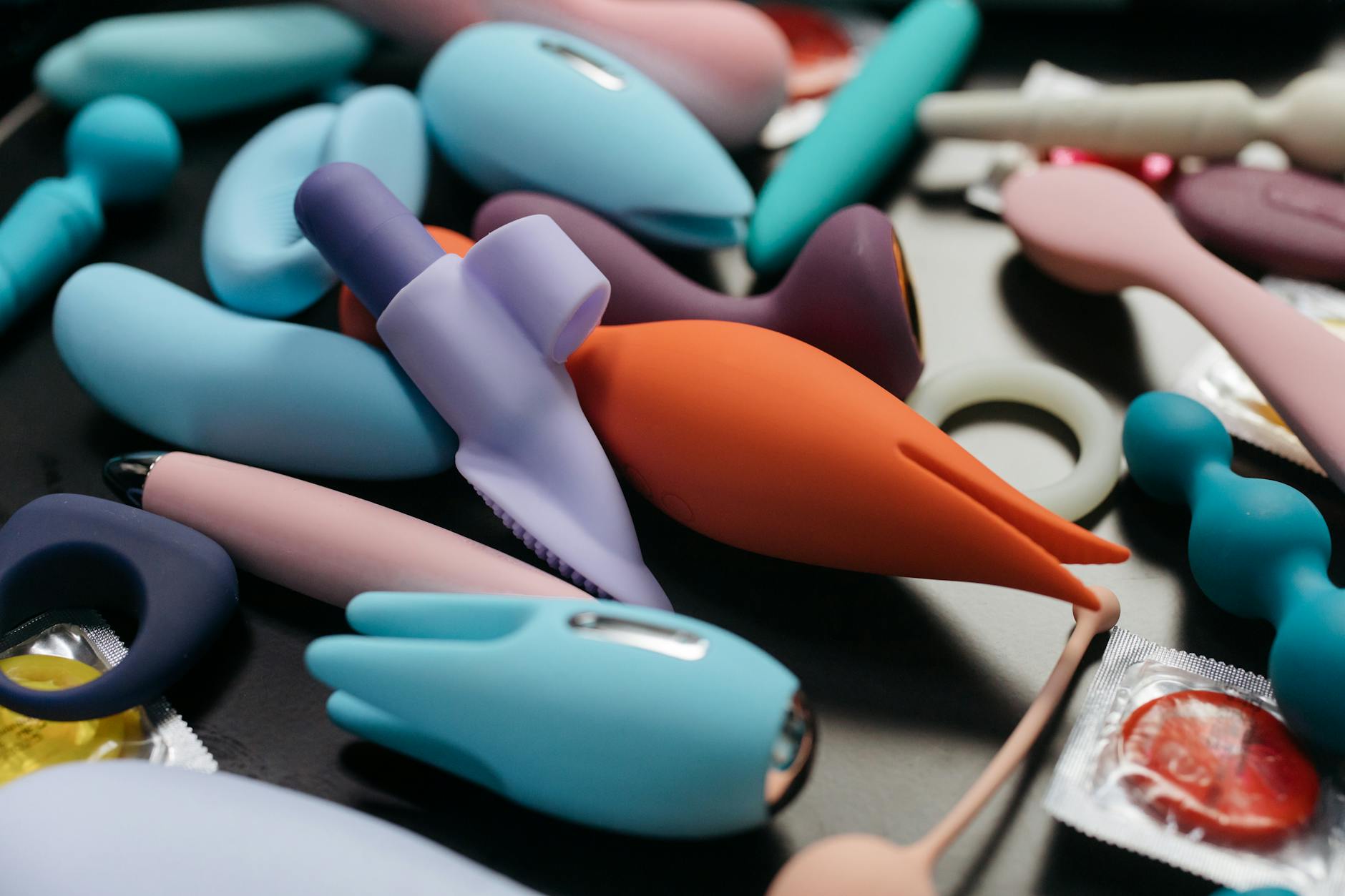
Photo by FounderTips . on Pexels
The specific conditions where this helps most
If your pain diagnosis includes any of these, a lemon vibrator is worth trying.
Vaginismus or pelvic floor dysfunction. Your pelvic floor muscles involuntarily tighten during penetration. Clitoral suction can interrupt that reflex because it creates pleasure without the trigger. The nervous system learns that arousal and relaxation can coexist.
Vulvodynia or generalized vulvar pain. Pain that exists even without penetration. Lemon clitoral vibrators are gentler than hand stimulation and create consistent sensation without the friction that can aggravate sensitive tissue.
Post-childbirth pain. Tears, scar tissue, hormonal shifts, and deconditioning all happen at once. Suction-based stimulation avoids the direct friction that can reactivate pain pathways while arousal builds.
Hormonal low-arousal states. Postpartum, perimenopause, or certain medications lower natural lubrication and slow arousal buildup. A lemon sucker generates arousal faster than manual stimulation alone, which means less time fighting friction and more time actually enjoying sensation.
Dyspareunia from endometriosis or similar conditions. Deep penetration pain specifically. Using a lemon clitoral vibrator before and during partnered sex keeps arousal high, which naturally makes the vaginal canal relax and lengthen. This is measurably different from vibration-only preparation.
How to actually use one if penetrative pain is your situation
Start with solo exploration. Use your lemon vibrator on its lowest pattern for 3-5 minutes before any partnered activity. This isn't foreplay. It's nervous-system calibration. You're teaching your body that clitoral pleasure and pelvic relaxation belong in the same moment.
When you're ready to include a partner, use your lemon vibrator during penetration. This keeps arousal peaked, which keeps your pelvic floor relaxed and your vaginal tissue lubricated. Many people find that clitoral stimulation during penetration actually reduces pain because the nervous system is too busy processing pleasure to register the discomfort it usually anticipates.
Some people use lemon clitoral vibrators before partnered sex, then set it aside once penetration begins. Others keep using it throughout. Both work. The key is that you're not choosing between clitoral pleasure and penetration anymore. You're combining them.
One honest note: using a lemon vibrator won't fix pain caused by infection, anatomical abnormality, or insufficient lubrication alone. But it works exceptionally well for the nervous-system component of pain, which is present in almost every case of persistent penetrative discomfort.
The partner conversation that has to happen
If you have a partner, this part matters. Pain during sex often gets tangled up with feelings of rejection, inadequacy, or failure on both sides. Your partner might worry that using a vibrator means they're not enough. You might feel broken.
Neither is true. A lemon vibrator isn't a replacement. It's a tool that changes the equation so penetration can actually feel good instead of like something you're enduring.
The most useful conversation starts with the facts: "My body needs clitoral stimulation to relax enough for penetration to feel good. This is physiology, not a reflection on you or us." Then move to the practical part: "Here's what I want to try. I want you here with me while we figure this out."
Most partners are relieved. It gives them something to do together instead of trying harder at something that hurts you. It's collaborative. And honestly, most people find that partnered sex with a lemon clitoral vibrator is far more connected than the painful friction-focused sex they were having before.
When to get medical help alongside this
A lemon sucker is not a substitute for diagnosis. If you have pain during sex, see a gynaecologist or a pelvic health physical therapist first. Pain can signal things that need actual treatment: infection, endometriosis, hormonal changes, pelvic floor tension that benefits from specific therapy.
Once you have that conversation with a professional, a lemon vibrator becomes part of your toolkit. It's the daily practice that reinforces what therapy or treatment is working toward. You're rewiring your nervous system's response to penetration at the same time that you're treating the underlying cause.
Many people find that working with a pelvic floor physical therapist while using a lemon clitoral vibrator creates change faster than either approach alone. The therapy releases the guarding. The vibrator teaches your body that arousal and relaxation coexist.
The part about pleasure that actually matters
Here's what I tell my clients: pain during sex is a barrier to pleasure, and pleasure itself is healing. When you use a lemon vibrator to reclaim arousal and comfort during penetration, you're not just solving a mechanical problem. You're sending your nervous system the message that your body is safe, that sex can feel good, that you deserve sensation without pain.
That rewiring takes time. But most people report that within a few weeks of consistent use, their pain diminishes not just during partnered sex but in their sense of their body overall. The nervous system learns that penetration doesn't have to equal pain. And that changes everything.
Your lemon vibrator is just a tool. But it's the tool that lets you do the real work. Which is reclaiming sex as something that feels good.
People also ask
Can you use a lemon vibrator if you have pelvic floor dysfunction?
Yes. In fact, gentle clitoral suction from a lemon vibrator can help retrain your pelvic floor's response. When suction creates pleasure without the defensive tightening that penetration triggers, your nervous system learns a new pattern. That said, work with a pelvic floor physical therapist alongside using a vibrator. The two approaches complement each other.
How is a lemon clitoral vibrator different from a regular vibrator for pain management?
Traditional vibrators create rhythmic stimulation that, while pleasurable, can sometimes reinforce pelvic floor guarding if your body anticipates pain. Lemon suction vibrators use gentler, diffuse air-pulse technology that creates arousal without the same trigger response. The sensation feels separate from penetration preparation, which helps your nervous system relax.
Should you use a lemon vibrator before or during penetration?
Both work. Some people use it beforehand to build arousal and relax the pelvic floor. Others keep it going during penetration to maintain high arousal and nervous-system calm. Experiment and see what your body responds to. There's no single right answer.
Does using a lemon vibrator during sex with a partner feel less intimate?
Often the opposite. Many couples find that integrating a vibrator creates more connection because both partners are focused on pleasure instead of managing pain. You're collaborating on sensation instead of one person enduring discomfort. That's actually more intimate than silent suffering.
How long does it take for lemon vibrators to reduce pain during intercourse?
Most people report noticeable shifts within 2-3 weeks of consistent use, though deeper nervous-system rewiring takes longer. Pain that's been present for years doesn't disappear overnight. But if you use your lemon vibrator regularly, both solo and with a partner, you should notice your pelvic floor relaxing faster and arousal building easier within that timeframe.
What if a lemon vibrator doesn't help my penetrative pain?
Then you need a clinical conversation. Pain during sex warrants evaluation for infection, anatomical factors, hormonal changes, or conditions like endometriosis. A vibrator is a tool for nervous-system retraining, not a cure for underlying medical causes. Talk to your GP or a pelvic health specialist. A lemon vibrator works best as part of a comprehensive approach, not as a solo solution.
What comes next
If penetrative pain is your situation, start with understanding. Pain isn't a flaw in your body. It's usually a flaw in arousal management or nervous-system protection. A lemon sucker changes that equation by letting you build arousal separately, which gives your body the calm and readiness it needs for penetration to feel good.
That retraining takes patience. But it works. And when it does, sex stops being something you endure and becomes something you actually want. That shift alone is worth the exploration.
If you have questions about how to integrate a lemon vibrator into your specific situation, or if you want to talk through what pain during sex might mean for your relationship, we're here. Get in touch at /contact and let's figure this out together.