Let's talk about the thing nobody mentions
When your partner gets injured, sex doesn't have to stop. It just changes shape. Most couples assume that pain, limited range of motion, or immobility means months without physical intimacy. That's not true, and it can actually damage the relationship during a time when you both need connection most.
Here's what I see in my practice: couples who figure out how to stay intimate during recovery emerge stronger. The ones who don't often struggle for years afterward, even after the injury has healed. This isn't about proving you're "still in love." It's about maintaining a specific kind of closeness that gets interrupted and then somehow forgotten.
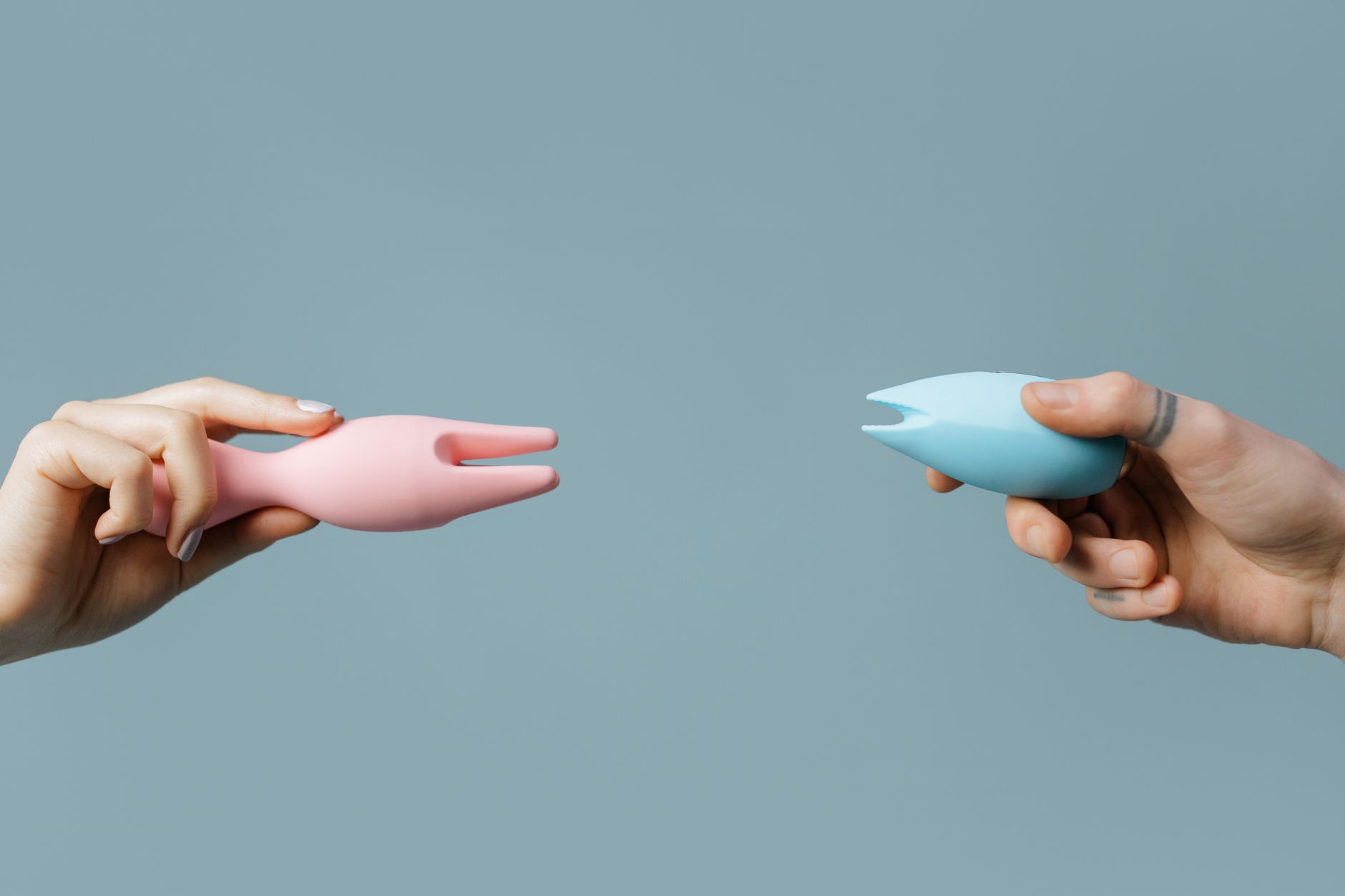
Lemon vibrators and clitoral toys like the Lem are designed for exactly this moment. They require minimal movement, zero penetration if that's painful, and they put your partner's pleasure entirely in your hands (literally). Let me walk you through how to use them.
Why lemon vibrators work during recovery
Most sexual activity assumes both people can move freely. Penetrative sex, typical foreplay, even manual stimulation often requires the person on the receiving end to shift position, contract muscles, or manage discomfort. Lemon clitoral vibrators eliminate all of that friction.
With a toy like the Lem, your injured partner can lie completely still. You control the pattern, intensity, and duration. There's no performance pressure, no position negotiation, and no risk of re-injury from sudden movement or muscle engagement. The suction mechanism on clitoral vibrators is also gentler than traditional vibration, meaning it works beautifully even when tissue is sensitive or inflamed from surgery or trauma.
For partners with fractures, spinal injuries, or recovering from abdominal surgery, this is game-changing. For partners with nerve damage or chronic pain, clitoral vibrators often feel more manageable than other options because you can start at lower patterns and build up without the jarring sensation of direct vibration.
Setting up the space (this matters more than you think)
Before you even introduce a lemon vibrator, get the environment right. Pain and arousal don't coexist well, so your partner needs to be as comfortable as possible.
Start with positioning. Most injured people prefer lying on their back with pillows supporting the affected area. If your partner is post-surgery, check with their surgeon about what positions are safe. You're looking for a setup where they don't have to hold any muscles tight, brace themselves, or worry about jostling an injury.
Temperature matters too. Cold makes muscles tense up. Warm muscles relax into sensation more easily. Some couples light a space heater or use a heating pad on an unaffected area before starting. The room should feel warm, not clinical.
Keep water and pain medication nearby (honestly). If your partner's pain spikes mid-session, you need to be able to stop immediately without awkward scrambling. Having what they need at arm's reach means they can relax instead of bracing.
How to introduce the lemon vibrator without it feeling weird
If your partner has never used a clitoral vibrator before, this is probably the worst possible time to learn about it alone. They're injured, potentially anxious, and not in an experimental headspace. So you frame it as a gift, not a test.
Better: "I miss being close to you. I was thinking about ways we could still have that connection while you heal. I found something that's designed exactly for this." Then show them the toy, let them hold it (off), and talk about how it works. No pressure. Just information.
For partners who've used vibrators before, the conversation is simpler: "Can we try using the Lem while you're recovering? That way you get to feel good and you don't have to do any of the work."
Some partners will be immediately into this. Some will need a few days to sit with the idea. That's fine. The goal is enthusiastic consent, not rushing them into pleasure because you're both frustrated.
The actual technique: patterns, intensity, and pacing
When you're ready, start slow. Lemon vibrators like the Lem come with multiple patterns. Begin on pattern 1 or 2, which feel gentle and exploratory rather than intense.
Approach the clitoral area indirectly at first. Instead of placing the toy directly where the most sensation happens, hover it slightly away or use it on the inner thigh or labia. Your partner can guide you: "A little higher," "Right there," "Softer." This is collaborative, not performative.
Timing varies wildly depending on pain levels. Some partners can sustain 15-20 minutes of stimulation. Others feel good for 5 minutes then need a break. Neither is wrong. The point is that pleasure happens within the limits of their body right now, not despite those limits.
If your partner is on pain medication, they might experience sensation differently. Opioids can dull arousal. Anti-inflammatory drugs usually don't affect it much. This is worth discussing with their doctor if sensation feels muted.
Watch for tension. If your partner's jaw tightens, their breathing speeds up in a panicked way (not an aroused way), or they go quiet instead of relaxed, check in. Pain during recovery can spike unexpectedly. You're not failing if you need to stop. You're being responsive to what their body actually needs.
When to involve the toy in partnered pleasure
Depending on your partner's injury, they might still want some manual touch from you. If that's the case, the lemon vibrator becomes a complement, not a replacement.
Say your partner is recovering from a lower leg fracture. They can't bear weight, but they can enjoy touch on their upper body. You could start by kissing their neck or chest while they hold the vibrator themselves, or they hold it while you touch them elsewhere. This creates a sense of mutual participation even though one of you isn't moving.
Or maybe you're the one doing most of the touch work. You can use your hands on your partner's body while they use the vibrator on themselves. This is less about intensity and more about presence. You're in the same space, focused on their pleasure, even if the mechanics are simple.
The key: whatever version of this you try should feel connected, not transactional. If using the lemon vibrator feels clinical or lonely, you're not framing it right. Rewind. Talk about what would make it feel closer.
Managing expectations and communication
Here's what usually trips couples up: thinking that one session of using a lemon vibrator will restore what sex felt like before the injury. It won't. And that's okay.
Recovery sex is different. It's slower. It's more deliberate. It's less about performance and more about sensation. Some partners find this actually improves their intimacy long-term because they've learned to slow down and pay attention.
Other partners feel grief about what they can't do right now. That's legitimate. You can feel both things: grateful for the connection you're having and sad about what's temporarily off the table. Those aren't contradictions.
Check in regularly. Not every session, but weekly: "Is this still working for you? Do you want to try something different?" As your partner heals, what feels good will change. Patterns that felt amazing week two might feel boring by week six. That's normal. Adapt.
The emotional piece (don't skip this)
Injury affects your partner's sense of self. Their body isn't working like it did. They might feel undesirable, helpless, or afraid of being touched. Pleasure, in this context, isn't frivolous. It's a way of saying: your body still works. You're still sexual. You're still worthy of feeling good.
This is where your role matters. When you're the one holding the lemon vibrator, you're also saying: I still want you. I'm not waiting for you to heal so we can get back to "real" sex. I'm present for you now.
That changes the neurochemistry of recovery. Partners who feel desired and attended to during injury often have better physical outcomes. They stress less. They move more carefully. They heal faster.
When to pause or seek help
If your partner's pain gets worse during or after sex, stop. Some pain during healing is normal. Sharp, shooting, or escalating pain is not. That's a conversation with their doctor.
If either of you feels resentful or stuck, that's also information. Sometimes couples need a therapist to navigate the emotional side of recovery. There's no shame in that. Injury disrupts everything, including the stuff you thought was solid.
If your partner's depression or anxiety spikes, sex becomes less important than stabilizing their mental health. That's fine. The lemon vibrator isn't going anywhere. You can come back to it when they're ready.
Frequently Asked Questions
Can we use a lemon vibrator if my partner has stitches or open wounds?
Absolutely not directly on the wound. But if the injury is elsewhere, a clitoral vibrator is perfect because you're avoiding that area entirely. If the injury is near the genital area, wait until the surgeon clears you. Usually that's 2-4 weeks post-op depending on the procedure. When you do restart, begin gently and use plenty of lubricant.
What if my partner can't feel sensation the way they normally do?
Nerve damage or inflammation can temporarily reduce sensation. Try different patterns on the Lem and see what registers. Sometimes lower intensities actually feel better because the stimulation is clear without being overwhelming. If sensation doesn't return after healing, talk to their doctor. Nerve recovery takes time, but it's worth monitoring.
Is using a vibrator during recovery different from using one while healthy?
Yes. During recovery, the goal shifts from intensity to connection. You're checking in more, moving more slowly, and paying attention to pain signals instead of ignoring them. Otherwise, the mechanics of using a lemon vibrator are the same. The Lem works exactly as designed regardless of whether your partner is injured or not.
How do we navigate different timelines for recovery during sex?
Wait until your partner can move without pain. That usually means following their physical therapist's clearance before reintroducing any sexual activity. Once you start, move at their pace, not yours. If they can sustain 10 minutes, you have 10 minutes. Don't push for longer because you want more. Recovery sex is their timeline.
What if we haven't talked about vibrators before the injury?
Then the conversation is even more important. Say something like: "I know this is a lot to deal with. I'm wondering if using something like this might help us feel close while you're healing. No pressure. But I wanted to offer the option." Let them process. Some people love this. Some need time. Both are fine.
Should we tell our doctor we're using a vibrator during recovery?
If the injury is near the genital area or involves pelvic floor healing, yes. Your partner's physical therapist or surgeon should know. They can tell you if there are specific positions or stimulation to avoid. If the injury is unrelated, it's optional, but many doctors appreciate knowing about sexual activity during recovery so they can give better guidance on what's safe.
The long view
Recovery is temporary. Injury heals. What lingers is the feeling of how your partner showed up during a hard time. Using a lemon vibrator during recovery isn't about proving anything or forcing pleasure. It's about saying: we're still a sexual unit. Your body still matters. Feeling good is still possible, even now. That changes everything.