Here's the thing about responsive desire
Your partner touches you. You feel... nothing yet. Maybe a little touch-neutral, maybe slightly irritated by the interruption. Then, after a few minutes of stimulation, something clicks. Suddenly you're interested. Suddenly you're there.
That's responsive desire. And it's wildly common.
About 75% of people assigned female at birth experience responsive desire as their primary arousal pattern, especially in long-term relationships. Your body doesn't wake up spontaneously. It responds to touch, attention, and sustained stimulation. There is nothing wrong with this. It's not low desire. It's not broken. It's just how your nervous system is wired.
But here's the friction: your partner often initiates expecting you to already be interested. You feel guilty for "taking time to warm up." They feel rejected when you're not immediately enthusiastic. Nobody's wrong. You're just operating from different arousal templates.
Why this matters for pleasure together
Most long-term couples hit this wall around year three or five. Early on, novelty and newness bypass the responsive desire thing. Everything is intense. Then real life settles in. Your partner initiates. You panic slightly because you're not "naturally" interested right now. You either fake it or deflect.
Neither works. Faking it builds resentment. Deflecting makes your partner feel unwanted.
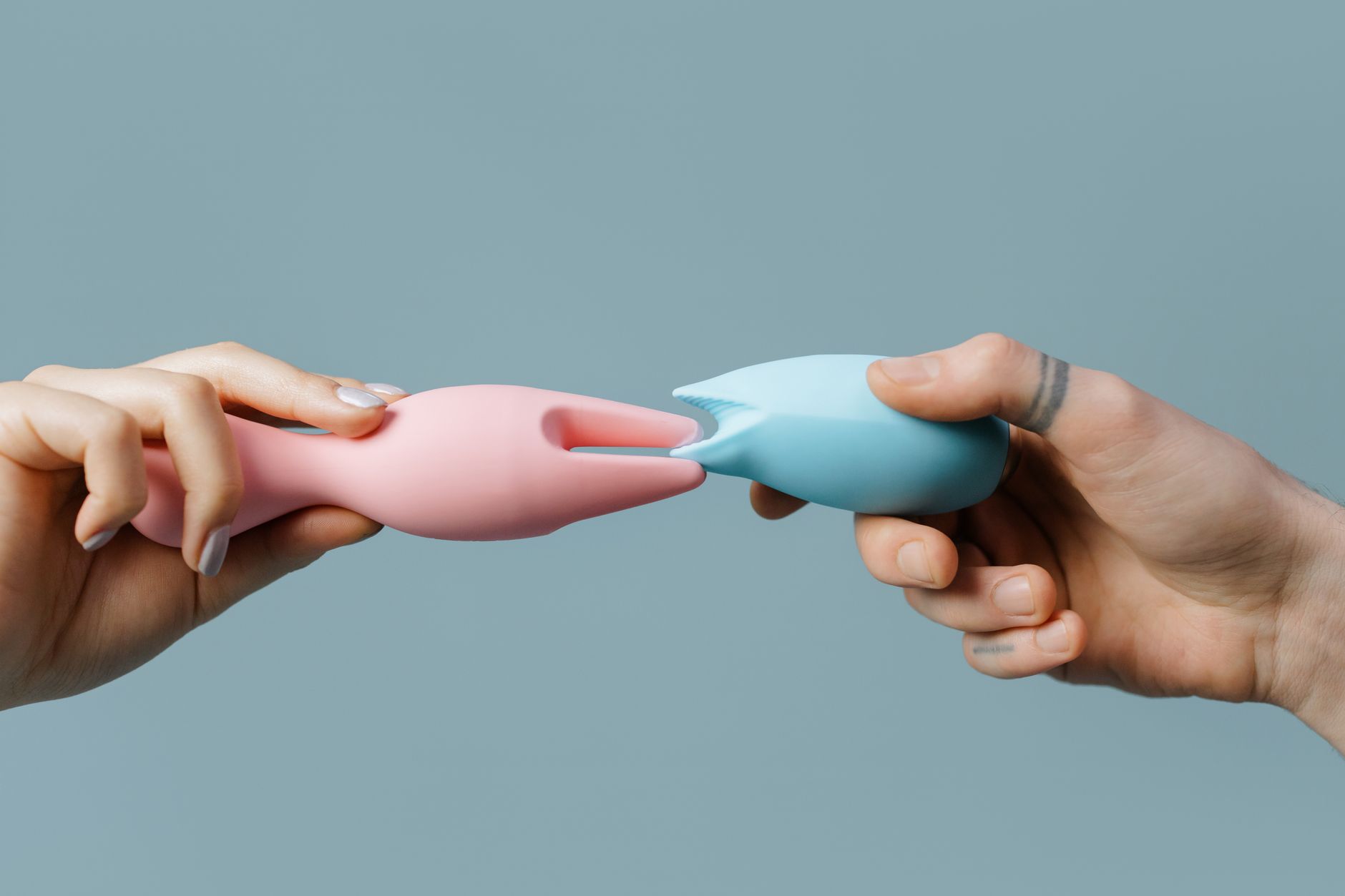
The actual solution is simpler: give yourself permission to warm up, and use tools that help that warm-up happen faster and more reliably. A lemon clitoral vibrator does exactly that.
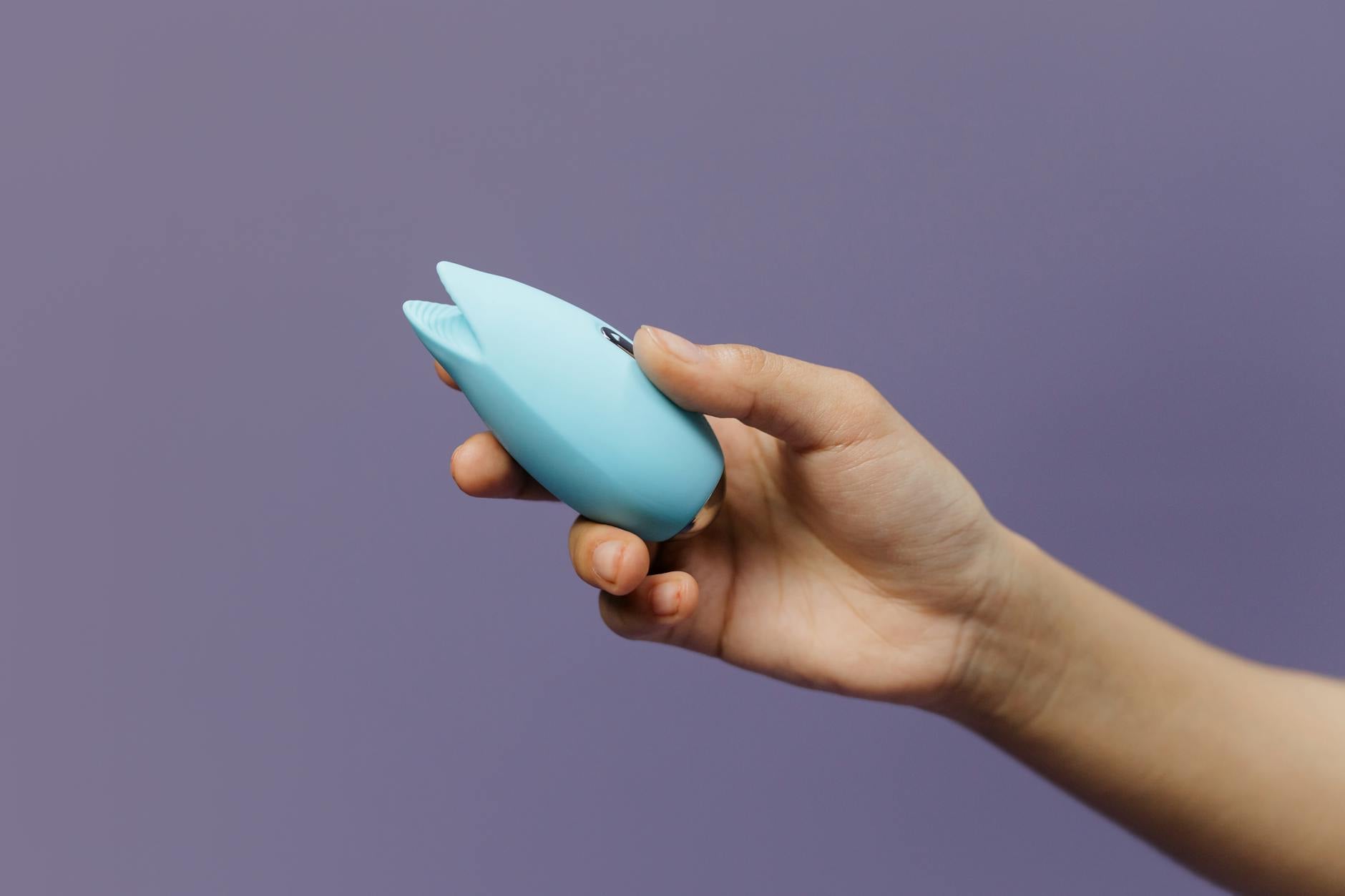
Photo by cottonbro studio on Pexels
Why lemon vibrators work for responsive desire specifically
Responsive arousal means your brain and body need consistent, focused stimulation to wake up. Here's what makes lemon clitoral vibrators ideal for this:
They deliver sustained, targeted stimulation that builds gradually. Unlike a partner's hand (which gets tired or changes pressure), a lemon vibrator stays consistent. You can set it to a low pattern and let it work while you breathe, while you focus on sensation, while your nervous system ramps up.
They're quick. Most people using lemon sexual toys report arousal building within 3-5 minutes on a lower setting. For responsive desire, that speed matters. It moves you from "not interested yet" to "okay, I'm actually into this" before frustration sets in.
They're yours to control. This is huge. When you're holding the vibrator, you're actively participating, not just receiving. That agency alone transforms responsive desire from "I guess I'm obligated to get interested" to "I'm choosing to turn myself on."
They work solo first, then partnered. You can warm yourself up alone for a minute or two, then invite your partner in once you're already aroused. That takes the pressure off both of you.
The protocol that actually works
First, talk about this with your partner before anything starts. Not during an attempt to have sex. A separate conversation: "My desire works differently than yours. I need a few minutes to warm up, and that's normal for me. Here's what helps."
Then, build this into your actual intimacy:
When your partner initiates: You pause and say, "Yes, I want to. Give me two minutes alone first." This isn't rejection. This is you saying, "I want to be fully present, and here's what gets me there."
Grab a lemon vibrator. Use it on settings 1 or 2 for about 90 seconds to 2 minutes. Breathe. Don't rush yourself. You're not trying to orgasm yet. You're just sending your nervous system the signal that pleasure is happening.
Let your partner know when you're ready. This can be simple: "Okay, come back."
Now they rejoin. Their hands, their touch, their attention. But now you're already warm. You're already tuned in. The dynamic changes entirely.
Does this take longer than spontaneous arousal? Yes. Does it work better than the current pattern of awkwardness or faking? Absolutely.
When this approach needs tweaking
Some people find even a minute alone feels disconnected from their partner. If that's you, try this instead: you use the lemon vibrator while your partner is present. Maybe they're touching you elsewhere. Maybe they're watching. Maybe they're just there next to you.
Some responsive-desire folks need actual conversation to wake up. If that's your deal, talk while you're warming up. Tell your partner what you're feeling, what you want, what turned you on today. Storytelling and anticipation can be part of your arousal, not separate from it.
Some people using responsive desire discover they actually do want penetration or partnered touch, but they need clitoral stimulation first to get there. A lemon clitoral vibrator becomes your opening act. It primes you. Then you can transition to whatever else feels good.
None of these are "wrong." They're all versions of honoring how your body actually works.
The emotional piece that changes everything
Here's what I see with responsive-desire couples: once they stop treating it as a problem, the entire energy shifts.
Your partner stops interpreting your slow warm-up as rejection. They see it as foreplay. You stop feeling guilty for not being "naturally" interested. You see it as a legitimate part of your sexuality.
Suddenly, using a lemon vibrator isn't you compensating for a deficit. It's you taking care of your own pleasure. And your partner gets to witness that. They get to be part of it. That's actually more intimate than spontaneous desire ever was.
I work with a lot of couples who've been together 10, 15, 20 years, and they tell me the same thing: the sex got better once they stopped fighting their own wiring and started working with it instead.
Building the conversation with your partner
Don't apologize for how your arousal works. Frame it as information, not inadequacy.
Instead of: "I'm sorry I'm not naturally horny when you touch me."
Try: "Here's how my arousal actually works. When you initiate, I need a couple minutes of focused stimulation to wake up. That's normal for me. I'd like to use a tool that helps that happen."
Show your partner that this is about meeting in the middle. You're taking responsibility for your own arousal. You're not asking them to be different. You're asking them to understand you.
Then follow through. Use the vibrator consistently. Let them see that it works. Let them feel how your energy shifts once you're warmed up. Proof changes perspective.
When to bring a partner into the warm-up
After you've solo-warmed a few times, your partner might want to be present. That's fine. Let them hold the vibrator. Let them watch your face. Let them touch you elsewhere while it's working.
Responsive desire often flips once your partner understands it's not personal. They start seeing the warm-up period as foreplay, not a barrier. Some partners actually find it incredibly hot to watch their partner use a clitoral vibrator and get turned on.
You might find that having your partner there during the warm-up actually speeds things up, because now you have their attention and presence on top of the stimulation. The combination can be powerful.
The solo benefit you might not expect
Using a lemon vibrator to warm yourself up when your partner initiates has a side effect: you learn your own arousal pattern better. You discover what speed works. You notice what kind of touch from your partner actually lands once you're tuned in. You get data about your own body.
That knowledge makes every future encounter easier. Your partner learns it too. After a few weeks, they might start recognizing the shift in your breathing or your movement that signals you're coming online. The whole thing becomes less mechanical and more intuitive.
This is how responsive desire stops being a frustration and starts being just part of your rhythm.
When responsive desire might need more support
If you're warming up and nothing's happening, or if the warm-up takes 15, 20 minutes consistently, it might be worth checking in about a few things.
Are you actually interested in sex right now, or are you doing this to please your partner? Those are different. One responds to vibration and time. The other responds to permission to say no.
Is there tension in your relationship that's sitting underneath? Sometimes responsive desire feels sluggish because there's unresolved conflict. A lemon vibrator can't fix that. A conversation with your partner might.
If you're on medication that affects arousal, or if hormonal shifts have changed your baseline desire, that's worth discussing with a healthcare provider. Those are real, and they might need different solutions alongside the vibrator.
But for most people with responsive desire who just need a reliable way to warm up and meet their partner halfway, a lemon clitoral vibrator is genuinely transformative. <a href="/blog/how-to-choose-the-right-lemon-vibrator-for-your-body-and-pleasure-style">Choosing the right tool for your body</a> makes all the difference.
FAQ
Is responsive desire the same as low desire?
No. Low desire means you rarely think about sex and rarely want it, even after warm-up. Responsive desire means you don't experience spontaneous arousal, but your body responds reliably once stimulation starts. About 75% of people with vulvas fall into the responsive camp, especially long-term. It's normal, not a diagnosis.
How long does it actually take to warm up with a lemon vibrator?
Most people report arousal building within 3-5 minutes on a lower setting. Some need closer to 8-10. A lot depends on what else is happening. If you're stressed or distracted, warm-up takes longer. If your partner is present and attentive, it often speeds up. The point is consistency. The warm-up time becomes predictable, which removes the anxiety.
Can my partner use the lemon vibrator on me during warm-up, or is it just for me?
Absolutely, your partner can use it. Some people find that having their partner hold the vibrator during warm-up actually makes it faster and more intimate. The stimulation plus their presence plus their attention combines into something stronger than solo use. Try both and see what works for your dynamic.
Does using a lemon vibrator to warm up eventually train my body to need it?
No. What happens is the opposite. As you use it consistently and your arousal becomes more predictable, your brain starts recognizing the pattern. Eventually, even just knowing you have the tool available can speed things up. Some long-term couples find that after a few months, they need the vibrator less because the warm-up phase becomes part of their natural rhythm.
What if my partner feels replaced by the vibrator?
This is about communication. Tell your partner explicitly: "This isn't replacement. This is me warming up so I can fully show up with you." Show them what warm-up alone looks like, then show them what partnered pleasure looks like after warm-up. Invite them into the process. Most partners, once they understand responsive desire isn't about them, actually prefer helping to the previous dynamic of faking it or deflecting.
Is responsive desire something I should try to change?
No. Your arousal pattern is part of your nervous system. You can't rewire it. What you can do is work with it instead of against it. Using tools like lemon clitoral vibrators and having explicit conversations with your partner removes the friction. The goal isn't to become spontaneously aroused. The goal is to build a sex life that works for both of you.
The bigger picture
Responsive desire isn't a flaw. It's a variation. And when you stop treating it as something to fix and start treating it as something to honor, your whole intimate life changes.
A lemon vibrator isn't a band-aid. It's permission. Permission to warm up on your own timeline. Permission to show up fully present instead of faking enthusiasm. Permission to take your own pleasure seriously.
Your partner gets permission too. Permission to stop interpreting slow warm-up as rejection. Permission to see foreplay as actually meaningful. Permission to understand that responsive desire can be incredibly hot once they're on board with how it works.
That's the shift. Not a fix. A reframe.