When stress steals your desire
Here's the thing: your libido didn't leave. It went dormant. There's a massive difference, and understanding it changes everything about how you approach reconnecting with pleasure.
Stress is a full-body hijack. When you're in crisis mode, your nervous system prioritizes survival over sexuality. Cortisol spikes, blood flows away from pleasure centers and toward your muscles and brain. Emotionally, you're burned out. The last thing your mind wants to contemplate is another person's needs, another conversation, another performance. Your body is saying no before your brain even gets the memo.
The mistake most people make is thinking they need to force desire back. You don't. You need to create the conditions for it to wake up on its own.
Why traditional vibrators fail during stress
A wand vibrator or bullet works when you're already somewhat aroused. It requires you to be plugged in, mentally present, and goal-oriented. During a stress crash, all three are off the table.
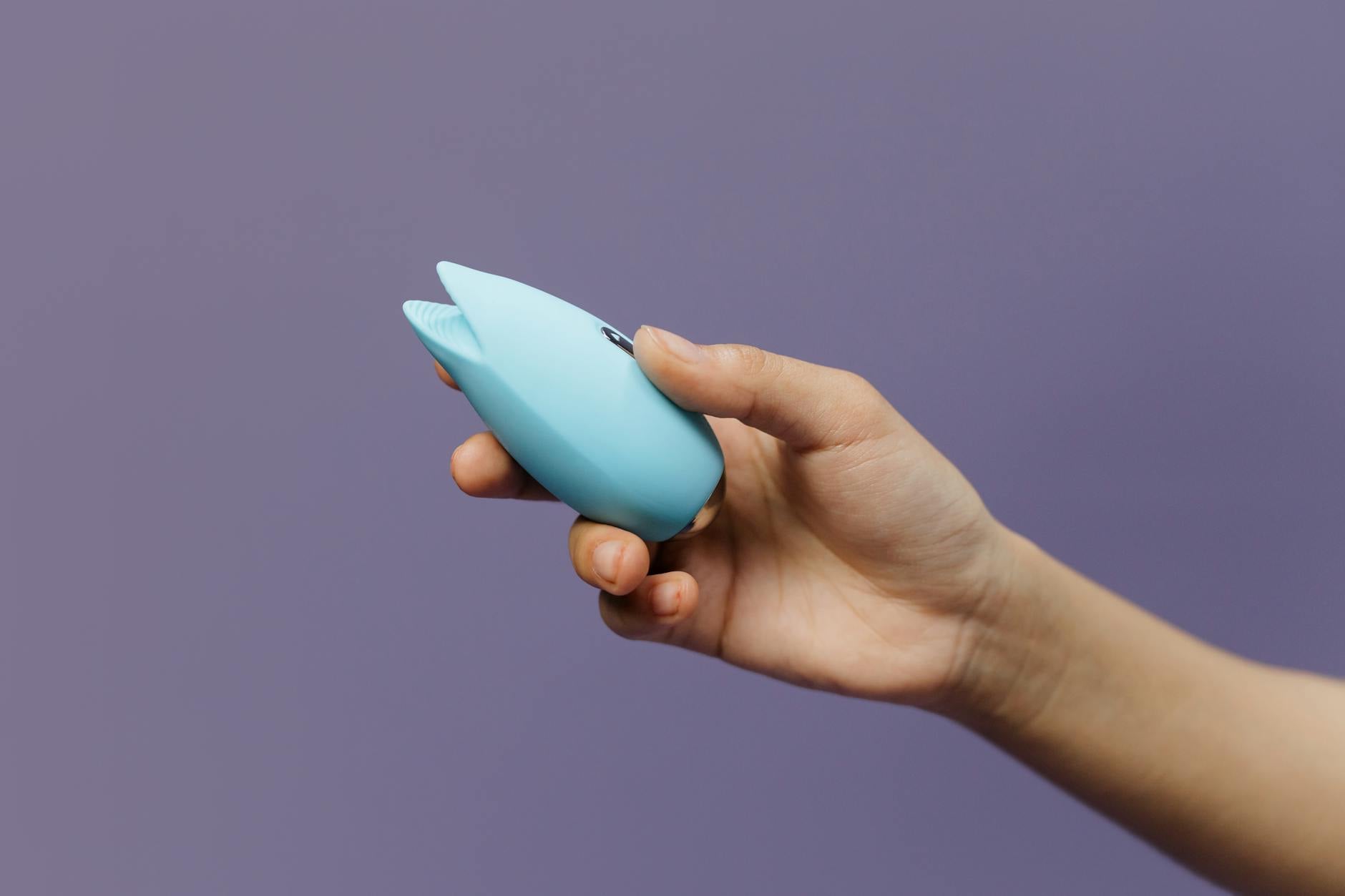
Lemon clitoral vibrators, particularly the Lem, work differently. They use gentle suction and patterns that don't demand anything from you. You don't have to be "ready." You don't have to perform arousal for anyone. You can literally just lie there and let your body remember what pleasure feels like, without the pressure of traditional vibration. Lemon vibrators are low-stakes by design. That matters when your nervous system is fried.
The permission piece (it's bigger than you think)
Stress doesn't just tank desire. It often comes wrapped in guilt. You feel like you should be interested in sex. Your partner might be waiting for you to "get over it." You're judging yourself for being absent from that part of your relationship.
Stop. That spiral helps no one.
Using a lemon vibrator alone, with zero agenda, is radical permission. It says: I'm allowed to explore pleasure on my timeline. Not my partner's. Not my stress. Mine. That boundary is where healing starts. Many clients tell me that the first time they reconnected with their own body during a stress crash, using something gentle like a lemon sucker, was the moment they stopped feeling broken. They felt like themselves again.
How to actually start
Set a container. Not a date night. Not "we should try soon." I mean: Tuesday at 7 p.m., 20 minutes, just you. No phones, no distractions, no pressure to achieve anything. If nothing happens, that's fine. If it does, that's fine too. The win is showing up.
Lower your expectations ruthlessly. You're not trying to have an orgasm. You're not trying to "get in the mood." You're just exploring sensation. Feel the lemon vibrator in your hand. Notice the weight. Run it across your inner arm. That's the whole assignment for week one. Seriously.
Use water-based lubricant. Stress can suppress natural lubrication. Lube isn't cheating. It's practical. It removes one more friction point (literally and figuratively) so your body doesn't have another reason to tense up.
Start with lower patterns. Lemon vibrators offer multiple intensity settings. During a stress crash, you want patterns 1 or 2. Gentle. Rhythmic. The goal is something that feels soothing rather than intense. Some people use their clitoral vibrator for five minutes just holding it against their thigh, not even at full contact. That's valid. That counts.
The nervous system angle nobody talks about
Stress lives in your body as tension. Your pelvic floor gets tight. Your shoulders live in your ears. When you try to access pleasure from that place, you hit a wall. The vibration can't reach pleasure because the pathway is blocked by muscle armor.
That's why the first week is about sensation and exploration, not arousal. You're teaching your nervous system that it's safe to relax. Using something like a lemon vibrator with a soothing pattern helps that process. It's not trying to push you into arousal. It's saying: here's a signal of safety. Here's something that feels good. Your body learns that pleasure isn't frivolous when you're stressed. It's a tool for coming back to yourself.
When to bring your partner in
Don't rush this. If you have a partner, they don't need to be in the room for the first few sessions. What they need is a conversation.
"My libido crashed. It's not about you. I'm going to spend some time reconnecting with my own body, and I want to do that alone first. I'm not rejecting you. I'm rebuilding." That's the whole conversation. A partner who loves you will wait. A partner who makes this about themselves is showing you something else entirely, and that's a different problem you can address with a therapist.
Once you've had a few solo sessions and can feel the lemon vibrator starting to wake something up, bringing your partner in is different. It's not about performance. It's about them witnessing you reclaim something. And honestly? That can be incredibly connecting.
What changes week by week
Week one: just sensation, no goals. Week two: maybe you notice arousal building. Maybe you don't. Use lubricant, go slow, notice what feels good. Week three: you might have an orgasm. You might not. Either way, you're rebuilding the neural pathway. Week four: you're starting to remember that pleasure exists, and it exists in your body, independent of stress.
This isn't linear. Bad weeks happen. Stress spikes again. That's normal. The lemon vibrator is still there. The permission is still there. You pick it back up.
Talking to your partner about timing
If you're rebuilding alongside a relationship, the conversation shifts. "I'm coming back to my own desire. I'm not ready for partnered sex yet, but I'm moving in that direction." Lemon clitoral vibrators are excellent for couples who need to navigate different timelines. You're doing your own thing. Your partner knows you're working toward reconnection. That mutual understanding is worth the conversation upfront.
Some couples find it sexy. Some find it practical. Neither is wrong. What matters is that you're not performing desire you don't have yet.
The stress won't disappear overnight
Let's be real. Using a lemon sucker won't cure your work crisis or your grief or whatever caused the crash. What it does is create a counterbalance. It reminds you that pleasure still exists. That your body still works. That you're still you underneath the stress.
Combine this with the basics: sleep when you can, move your body somehow, eat things that don't taste like cardboard. Those aren't sexy answers. But they're real ones. The lemon vibrator is the pleasure piece. The other stuff is the nervous system recovery. Together, they work.
When to seek additional support
If your libido has been flatlined for more than three months, or if the desire crash came with deeper depression or anxiety, talk to a therapist or your GP. Stress-induced desire loss is normal. Persistent depression alongside it is not something to white-knuckle through alone.
A lemon vibrator is a tool. It's a beautiful one. But sometimes you need someone trained to help you dig into what's really blocking you. That's not failure. That's wisdom.
People also ask
How long does it take to rebuild libido after stress?
There's no fixed timeline. Some people feel shifts within two weeks of consistent, pressure-free exploration. Others take two months. What matters is consistency and letting go of the deadline. You're not trying to "fix" yourself by a certain date. You're gently reawakening something that went to sleep. That happens on your body's schedule, not your calendar's. Using a lemon clitoral vibrator during this time helps signal to your nervous system that pleasure is a priority again.
Can lemon vibrators actually help with stress-related arousal loss?
Yes, but probably not the way you think. They're not a magic fix for the stress itself. What they do is remove friction. They don't require arousal to feel good. They don't demand performance. They're gentle enough that a stressed, depleted nervous system can actually receive the signal "pleasure is safe." That's the gateway. Once your nervous system believes that, actual desire often follows.
Is it normal to feel nothing the first time I use a lemon vibrator during a stress crash?
Completely normal. Your nervous system is protecting you. It doesn't believe pleasure is available right now, so it's not opening that door yet. Use the vibrator anyway, with zero expectations. You're not trying to feel aroused. You're just practicing the habit of self-touch and presence. The feeling usually comes later, after your nervous system realizes it's safe.
Should I tell my partner I'm using a lemon vibrator alone?
That's your call. If you have a partner and you're trying to rebuild desire in the context of that relationship, transparency helps. Simple version: "I'm working through a libido crash and I want to explore solo first. That's the best way for me to come back to myself." A secure partner will understand. If they don't, that's information worth having.
Can using a lemon sucker make me dependent on toys for pleasure?
No. Your clitoris is the same whether you're using a toy or not. A lemon vibrator is just a tool that makes sensation easier to access, especially when stress has numbed you out. Some people never use toys again after their libido returns. Some keep them as part of their routine. Both are fine. The tool doesn't rewire your body. It just helps you remember how to feel.
What if my stress comes back? Do I have to start over?
Not entirely. You've already built the neural pathway once. Your body remembers pleasure exists. When stress crashes your libido again, you're reactivating something dormant, not building from zero. That's faster and easier. And you know what works. A lemon vibrator plus the rhythm of showing up for yourself. That's it.
Your libido didn't die. It went offline for protection. The path back isn't forcing or performing. It's permission, gentleness, and tools that meet you where you actually are. A lemon vibrator is designed exactly for that. Start small. Keep showing up. Your desire will follow.