The problem nobody talks about: vibration vs. sensation
Here's what happens when you switch to a traditional vibrator after years of a slower, more tactile approach. The intensity hits fast. Your nervous system gets flooded. And instead of building toward something deep, you're either overwhelmed or chasing a sensation that never quite lands the way you remember.
That's not a personal failure. It's a real mismatch between the tool and what your body actually needs right now.
Why direct vibration feels too harsh sometimes
When you jump straight to high-frequency buzzing, your nervous system has two choices. Fight it or flee from it. The clitoris has thousands of nerve endings packed into a tiny area, and dumping intense vibration directly on them isn't the same as building arousal gradually. It's like turning a volume knob to 8 instead of starting at 1.
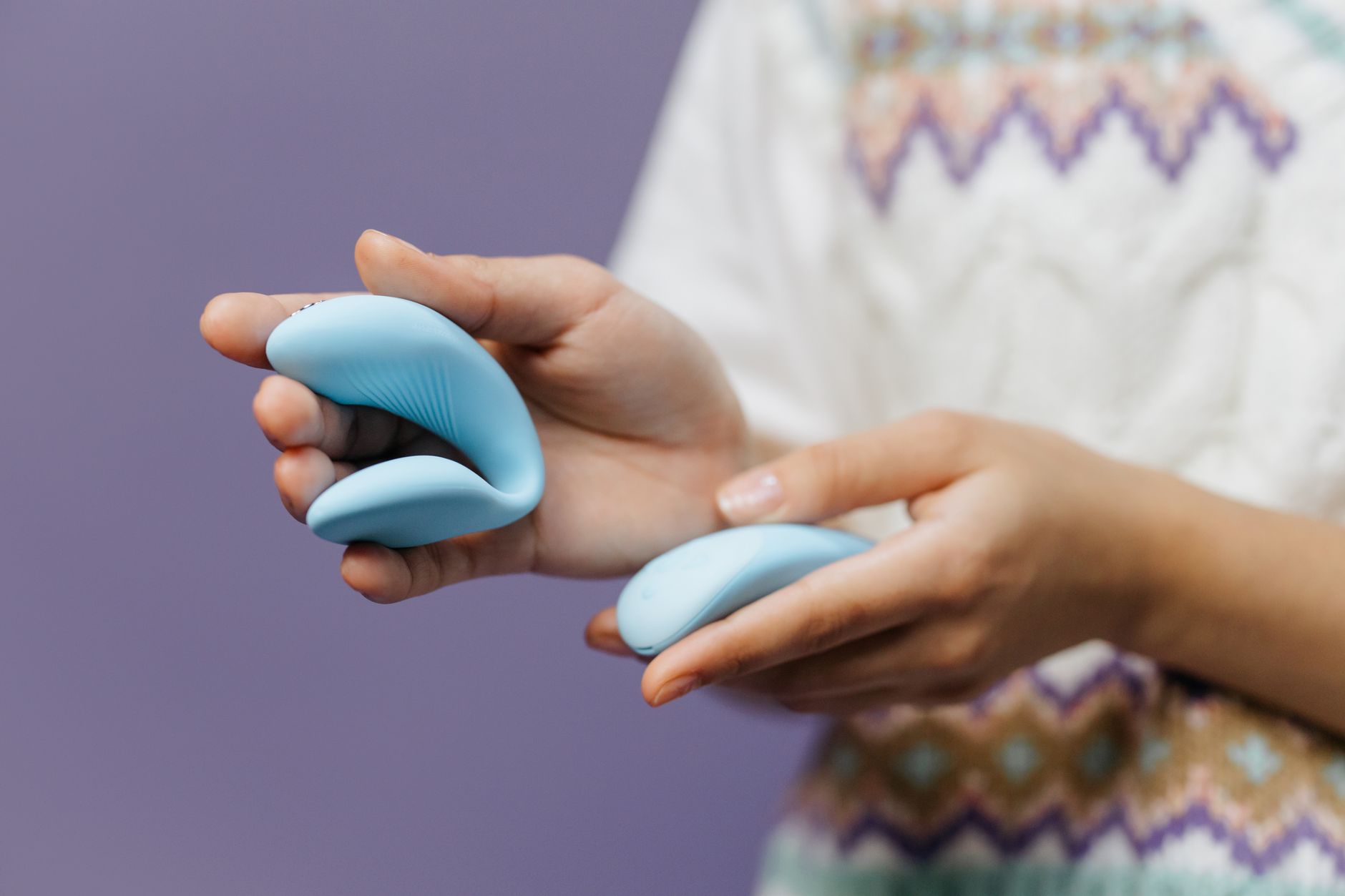
Lemon clitoral vibrators like the Lem work differently. They use air-suction technology instead of buzzing. This creates a gentler pulling sensation rather than aggressive vibration, which means arousal builds naturally instead of arriving all at once.
The difference sounds small. It's not. Many of my clients report that air-suction lemon vibrators are the first tools that let them actually feel the anticipation again.
The buildup you've been missing
Arousal isn't one thing. It's a progression. Your heart rate rises. Blood flow shifts. The tissue around your clitoris swells slightly, which changes sensation. When vibration hits too hard too fast, you skip those middle steps and jump straight to "on or off."
Air-suction lemon vibrators let you stay in the middle. You can hover on the lower settings for as long as you need, feeling your body wake up gradually. Some people spend 5 to 10 minutes on setting 1 or 2 before moving higher. That's not wasted time. That's the entire point.
The slower the buildup, the deeper the release tends to be. This isn't intuitive when you're used to vibrators that promise quick results, but it's consistent across what I hear from people who switch to this approach.
How to actually use a lemon vibrator for slow buildup
Start with the lowest setting and wait. Place the Lem on your skin at the lowest pattern or intensity. Wait 2 to 3 minutes before moving to the next level. Your body is registering sensation, building anticipation, and preparing. Resist the urge to jump ahead.
Use the patterns, not just the intensity. Lemon vibrators often have multiple patterns beyond just "stronger vibration." Patterns create rhythm, which your nervous system can follow. Spend time exploring each one at low intensity before increasing power. Pattern 1 at setting 2 will feel different from Pattern 1 at setting 4, and both will feel different from Pattern 2 at any setting.
Vary the angle and position slightly. Instead of staying in one spot, try tilting the device a few degrees or moving it slowly in small circles. Air-suction technology responds beautifully to small positional shifts. Each micro-adjustment changes what you feel, which keeps your nervous system engaged instead of habituating to one sensation.
Create a timer in your head. This sounds mechanical, but it works. Commit to 10 minutes of exploration before expecting an orgasm. Nine times out of ten, by minute 7 or 8, your body has built enough arousal that what comes next feels genuinely different from what traditional vibrators offer.
The role of lubrication in this approach
Water-based lube works with air-suction technology in a specific way. It creates a slight seal that helps the suction feel more pronounced, but it also reduces friction, which means you can use the device longer without irritation. This matters because you're choosing a longer buildup over a quick hit.
Don't skip the lube, and don't scrimp on it. Enough that it feels slick but not so much that the suction stops working entirely. Most people find their sweet spot after two or three sessions.
What to do when the building feels stuck
Sometimes you'll get to setting 3 or 4 and feel like nothing's changing. That's not a signal to jump to the highest setting. That's a signal to switch patterns. Or to pause for a minute, take a breath, and start over at a lower intensity.
The longer buildup approach means you're not chasing a peak. You're creating conditions where pleasure deepens. If you feel stuck, you're probably pushing. Step back. Breathe. Let your body catch up.
Many people also find that mental clarity matters here. If you're thinking about your to-do list or worrying about taking too long, your nervous system knows. A guided meditation or a few minutes of deep breathing before you start using your lemon clitoral vibrator can shift everything.
How this connects to partner play
If you're exploring this approach with a partner, communication becomes even more important. Your partner needs to understand that slow buildup isn't reluctance or resistance. It's intentional. Some couples find that one partner uses the Lem while the other offers touch, words, or presence. Others prefer solo exploration first, then sharing what worked.
Whichever you choose, the principle is the same. You're teaching your nervous system that anticipation is part of pleasure. When you eventually involve a partner, they benefit from knowing what actually works for your body.
The refractory period bonus
One unexpected benefit people report: when buildup is slower and deeper, refractory periods tend to be shorter. Your nervous system hasn't been shocked into an off state. It's been gradually brought to a peak, which means recovery and potential for another orgasm happens more naturally.
This is particularly relevant if you're working with a partner whose timing doesn't match yours. A deeper, slower approach often creates more flexibility in what comes next.
When air-suction beats traditional vibration
You might be wondering when to choose a lemon sucker over a regular vibrator entirely. The honest answer: if direct buzzing feels numbing, if you miss the anticipation, or if you want orgasms that feel full-body rather than localized. Air-suction lemon vibrators excel at all three.
They're particularly good if you've noticed that high-frequency vibrators leave you feeling oddly unsatisfied despite reaching climax. That dissatisfaction often means your nervous system was activated without being fully engaged. Air-suction changes that equation.
A practical session to start with
Set aside 20 minutes. Use water-based lubricant. Start at the lowest setting and pattern on your lemon vibrator. Spend the first 5 minutes just noticing sensation. No goal. No expectation. Then spend the next 10 to 15 minutes slowly exploring higher settings and different patterns. If an orgasm happens, great. If it doesn't, notice what did feel good. That information is more valuable than a quick climax.
Repeat this same approach for three or four sessions before you start varying it. Your body learns. Pleasure deepens. The buildup you thought you'd lost? It's still there. You just needed the right tool and the right patience.
Frequently asked questions
How long does it actually take to orgasm using this slower buildup approach?
It varies widely. Some people find their rhythm in 12 to 15 minutes. Others take 20 to 30. The point isn't speed. It's that when you slow down, the quality of sensation and the depth of release tend to improve dramatically. If you're used to vibrators that promise results in 5 minutes, this will feel strange at first. But most people report that once they adapt, they'd never go back.
Can I use this technique with my partner, or is it better solo?
Both. Some couples love integrating air-suction lemon vibrators into partnered sex because the slower pace creates natural moments for connection and communication. Others prefer exploring alone first so they understand their own body's rhythm before involving someone else. There's no right answer. What matters is that you're not pressuring yourself to perform or speed up for anyone else.
What if the lowest settings still feel too intense?
Try hovering slightly away from your body instead of making direct contact. You can also apply the lemon clitoral vibrator over clothing or a thin barrier until your nervous system acclimates. Some people also find that starting with just the suction without any vibration pattern helps. Many devices allow this. Explore what your particular tool can do.
Does this approach work if I have difficulty reaching orgasm?
Often, yes. The slower buildup and varied stimulation patterns can actually help wake up sensation in ways that faster vibrators can't. That said, difficulty reaching orgasm has many causes (stress, hormones, medication, relationship dynamics). A lemon vibrator is a tool, not a cure. If you're consistently struggling, talking to a healthcare provider or therapist (like checking out resources at Hallo Nancy Lems) can help identify what's actually happening.
Is air-suction technology better than regular vibration for everyone?
No. Some people genuinely prefer traditional vibration. But if direct vibrators have left you feeling numb, overwhelmed, or unsatisfied despite reaching climax, air-suction is absolutely worth trying. You might also find that you prefer different tools for different moods. That's totally normal. The goal is to have options that actually work for your body right now.
How do I know when to move to a higher setting or pattern?
Listen to your body, not the clock. If you're genuinely curious about what comes next, try it. If you're moving higher because you think you should, pause. Arousal builds in steps, not lines. Sometimes you'll spend 8 minutes at one setting, sometimes 2. Your job is to follow the sensation, not to complete a checklist.