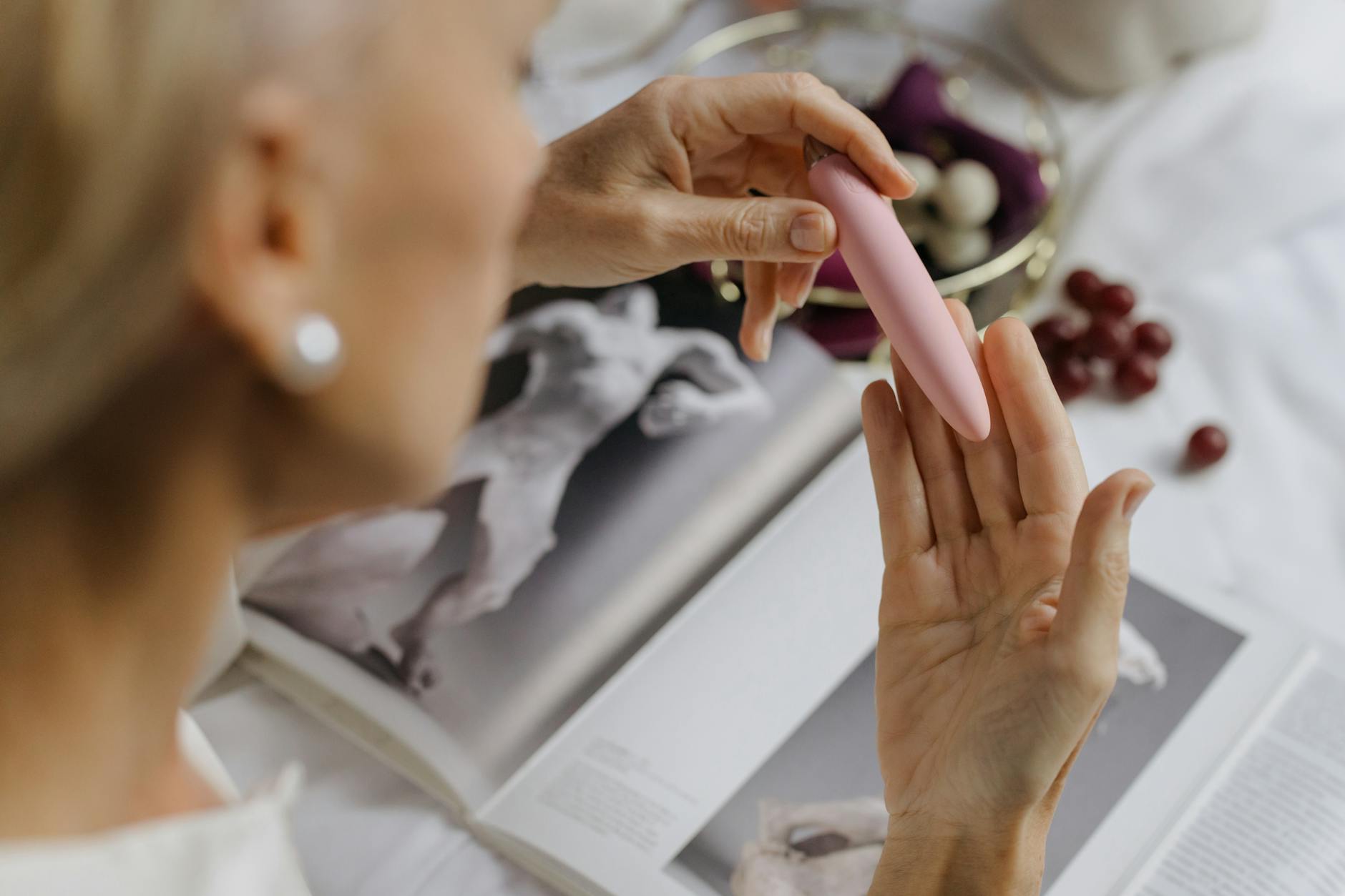
The sensitivity gap is way more common than you'd think
Here's what I see in my practice constantly: one partner lights up with a firm touch, while the other flinches. One person wants slow buildup; the other wants intensity immediately. One has nerve-sensitive areas that scream at direct stimulation; the other barely registers it. You're not broken. You're not incompatible. You just have different nervous system wiring, and that's actually workable.
The problem isn't the difference. The problem is pretending it doesn't exist until resentment calcifies into avoidance.
Why sensitivity differences happen
Sensitivity isn't a fixed trait—it's shaped by nervous system response, tissue density, nerve distribution, attention, and sometimes medical history. One partner might have higher touch threshold after years of numbness from medications. Another might have developed hypervigilance from past trauma. One person's clitoris is naturally less densely innervated. Another's is firing on all cylinders.
The body isn't fair about distribution. What feels perfect to one person registers as too much or too little to someone else. Add that to the fact that arousal changes sensitivity moment to moment—same person, same day, different results—and you've got a dynamic that needs active management, not just hope.
Why lemon vibrators actually solve this
Lemon clitoral vibrators, specifically those using suction technology like the Lem, work because they separate intensity from sensation. A partner who needs gentler stimulation can use a lower suction pattern. A partner who craves more intensity can dial up the same device and get a completely different experience. You're not choosing between each other's pleasure. You're each getting what your body actually needs.
This matters more than it sounds. When partners have mismatched sensitivity, the traditional vibrator often becomes the "too much" tool or the "not enough" tool. Someone always feels like they're taking turns instead of experiencing pleasure together. Lemon vibrators with adjustable intensity mean simultaneous satisfaction without compromise.
The conversation before you start
Before you even pick up the device, name the thing.
Say: "I've noticed we respond differently to touch, and I don't want that to mean one of us is always adjusting down or pushing through discomfort." That's it. No apology. No embarrassment. Just honesty.
Then ask three questions:
- What intensity level feels good to you right now, on a scale of barely-there to pretty intense?
- Does that change depending on how long we've been touching, or how aroused you are?
- Is there a specific kind of sensation—like suction versus vibration, or broad versus pointed—that feels better?
The answers won't be stable or final. Sensitivity shifts with stress, cycle, medication, sleep, emotional closeness. But asking creates the framework where you can keep checking in instead of silently tolerating discomfort.
Using lemon vibrators when one partner wants gentle, the other doesn't
If you're the sensitive partner (threshold is lower, direct stimulation feels overwhelming), lemon clitoral vibrators win because the suction mechanism spreads sensation across a wider area instead of focusing it on a single point. Start at pattern one or two. Use it for longer. Let arousal build gradually.
Your partner can be involved in this. They can hold the device. They can watch your response and adjust based on your breath, your movement, your cues. This isn't you getting off alone while they watch. It's collaborative, intentional, and frankly often more intimate than traditional foreplay because you're both paying attention.
If you're the partner who wants more intensity, a lemon vibrator at patterns five through seven often delivers what you need. You get strong suction stimulus without requiring your partner to provide endless direct touch that leaves their hand cramping. You're getting satisfied without asking them to override their own comfort. Everyone wins.
Using lemon sexual toys together means you can also take turns controlling the device. Low-sensitivity partner uses it on the sensitive partner at a gentler setting. Then swap. The control itself—the ability to give and receive pleasure at your own speed—often reduces resentment faster than anything else.
When medication changes sensitivity
If one partner is on SSRIs, antihistamines, blood pressure meds, or hormonal birth control, sensitivity often shifts downward. If that's your situation, lemon clitoral vibrators become even more valuable because you can compensate with intensity adjustment rather than forcing friction or duration.
But here's the thing: medication-related numbness is temporary. It's not permanent change to your neurology. The moment those drugs leave your system, sensitivity usually returns. So don't let the current gap convince you that your bodies are incompatible long-term. Right now, lemon vibrators are the bridge. Later, you may not need them the same way. But you might still want them.
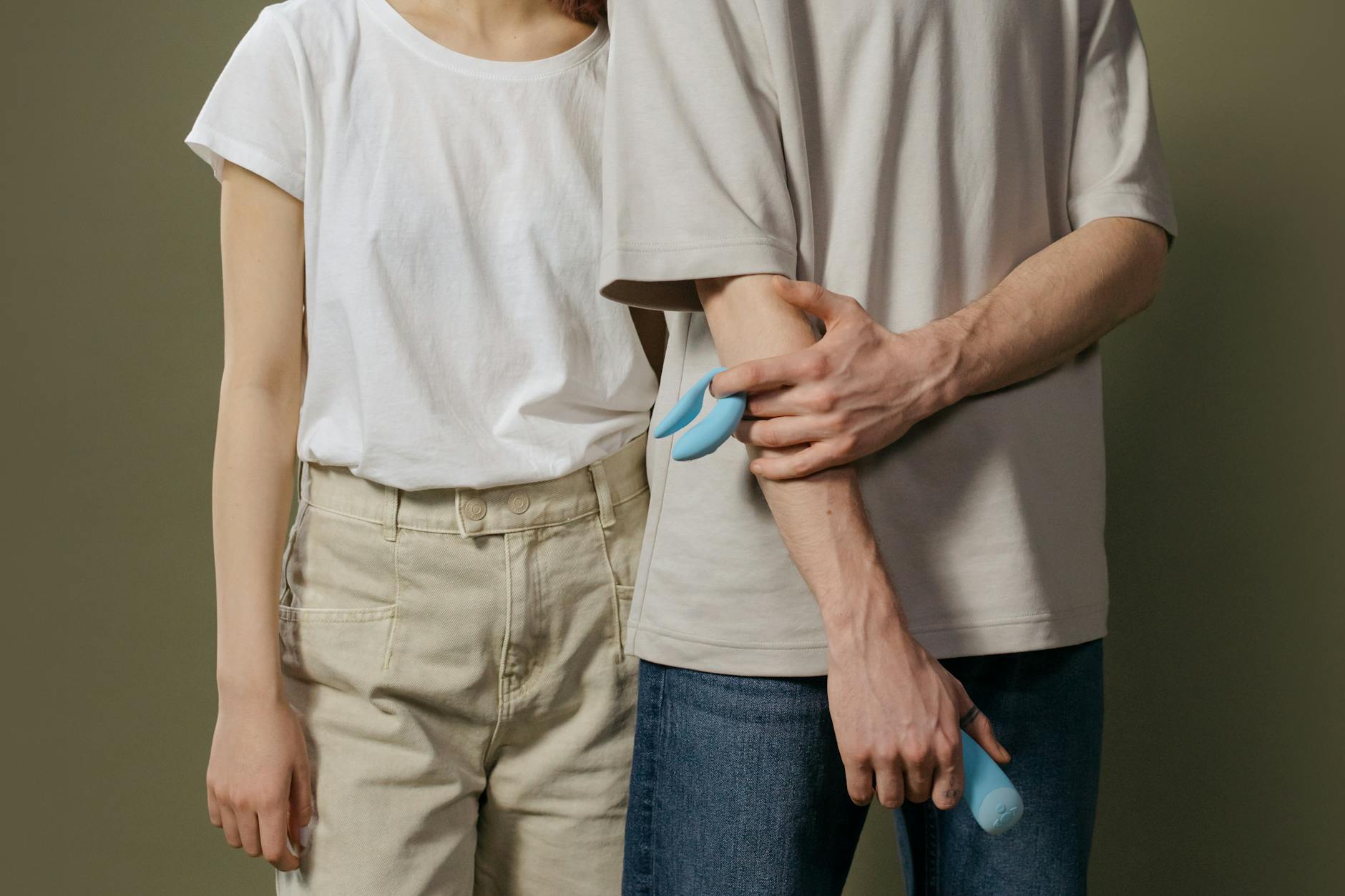
Photo by cottonbro studio on Pexels
The practical setup that works
Give yourself these conditions:
First, kill the performance pressure. Not "let's have sex and use a toy in the background." Instead: "Let's spend 20 minutes focusing only on sensation and what feels good." When the goal is exploration instead of reaching an endpoint, sensitivity differences become interesting rather than awkward.
Second, set the device between you, not on one person. If you're using a lemon vibrator together, hold it together, explore it together, talk about what patterns each of you prefers. This isn't one person's toy. It's a shared tool.
Third, start at lower intensity than you think you need, then adjust up. It's easier to increase than to dial back when someone's already overstimulated. If you go too high, you just killed the moment and reminded them why they're self-conscious about sensitivity in the first place.
Fourth, keep talking. "Does this feel good?" isn't rhetorical. You actually need the answer to change your approach. Most couples assume they know what their partner wants and just do the same thing every time. Lemon vibrators give you an excuse to check in repeatedly without it feeling like a clinical interview.
When one partner is avoidant about toys
Sometimes sensitivity difference gets tangled up with resistance. "I don't want toys. Your body should be enough." This usually means: I feel inadequate. A vibrator highlighting your sensitivity feels like evidence that I'm not good enough.
That's a conversation that needs to happen before any device enters the picture. Name what the real worry is. Usually it's not actually about the toy. It's about feeling replaced, rejected, or failing to satisfy.
Lemon vibrators aren't replacements. They're tools that let both partners get what they need simultaneously. You can say that. You can also say: "I want to use this with you, not instead of you." There's a real difference, and most partners who hear it clearly start to shift.
If avoidance continues, that's the moment to talk to a couples therapist—not because there's something wrong with you, but because sensitivity mismatches connected to deeper shame or rejection deserve real support to untangle.
What changes over time
Sensitivity isn't static. After months of regular use, partners often report that their sensitivity baseline shifts. The previously numb partner gets sensation back. The overly sensitive partner sometimes becomes less reactive as their nervous system learns that stimulation is safe. This is actual nervous system recalibration, and it's one of the reasons that consistent, communicative play with lemon vibrators helps repair intimacy gaps.
You might also find that once you've used lemon clitoral vibrators together a few times without shame or performance pressure, touch itself becomes less loaded. You're not constantly assessing whether you're doing it right. You're just experiencing. That's when couples often find that sensitivity differences matter way less because the real barrier was always the anxiety, not the bodies.
Common questions about sensitivity and lemon vibrators
Can using a vibrator make sensitivity worse over time?
No. The science is pretty clear on this: using a vibrator doesn't desensitize you, even with regular use. What sometimes happens is the nervous system gets better at recognizing patterns, so you might need to vary your approach or take breaks. But the underlying tissue doesn't wear out. If anything, consistent stimulation maintains nerve responsiveness better than neglect does.
What if my partner feels threatened by lemon vibrators?
That's worth taking seriously, but separately from the sensitivity conversation. Threat feelings usually connect to insecurity about desirability or adequacy. You can use lemon vibrators together in ways that emphasize partnership rather than solo use. You can also ask what specifically feels threatening (Is it the concept of pleasure without them? Is it losing control? Is it shame about needing tools?), because the solution depends on the actual worry, not the toy itself.
Is it normal for sensitivity to change during a cycle or with stress?
Completely normal. Hormones shift sensitivity. Stress narrows it. Sleep deprivation dulls it. Anxiety can spike it. If one partner has PMDD, PMS, or hormonal birth control, sensitivity might swing dramatically across the month. Using lemon clitoral vibrators means you can adjust your approach to what's actually true on any given day instead of assuming sensitivity is fixed.
Can numbness from medication actually improve with lemon vibrators?
The vibrator itself doesn't heal numbness, but regular stimulation can help the nervous system maintain responsiveness and sometimes recover sensation over time. More importantly, a lemon vibrator's adjustable intensity means you get pleasure during the numbness phase instead of waiting for medication to change or stopping sex entirely. That sustained pleasure often maintains emotional and physical intimacy better than avoiding touch until sensation returns.
What if we can't agree on patterns or intensity?
Start with the sensitivity conversation and establish your individual preferences. Then use lemon vibrators on separate occasions: one partner's preference, then the other. You're not trying to find a middle ground. You're both getting your needs met, just at different times. Over weeks, you might find overlap you didn't expect. Or you might just accept that you both deserve to feel good in your own way.
Should we use lemon vibrators every time we're intimate, or just sometimes?
Neither is required. Some couples finds them essential for matching sensitivity. Others uses them occasionally for variety. The point isn't the frequency. It's having a tool that solves the sensitivity mismatch when you need it, and knowing you're not stuck choosing between each other's pleasure or your own comfort.
The real fix is the conversation
Lemon vibrators are useful. Suction technology is clever. Adjustable intensity is genuinely helpful. But the real unlock is naming the sensitivity difference without shame and treating it like a practical problem instead of a character flaw. Once you've done that, lemon clitoral vibrators become the easy part.
Your bodies don't need to match. Your pleasure doesn't need to be identical. What matters is that you both feel attended to, that neither of you is silently tolerating discomfort, and that you're exploring this together instead of in parallel. That's when intimacy actually deepens, and sensitivity differences become something you can laugh about instead of resent.
If you're still stuck after trying these approaches, talking to a couples therapist trained in sexual health can help untangle what's really underneath. Sometimes sensitivity mismatches are just biological. Sometimes they're pointing to a bigger disconnection that needs actual support to heal. Either way, you're not alone in this, and it's absolutely workable.