
When the physical connection fades
Let's be real. After years together, sex can feel like something you're both showing up to out of obligation. Not because anything's wrong necessarily. But because life has a way of layering distance between two people who share a bed.
Kids grow up. Work stress compounds. A partner gets promoted. Someone's health shifts. Or sometimes there's no big reason at all. The intimacy just gradually loses its texture. What used to feel like play now feels like a task.
When this happens, many couples try to force a conversation or schedule time or rediscover their connection through sheer willpower. And sometimes that works. More often, it adds pressure to something that's already lost its ease.
The disconnection gap
Here's the pattern I see in my practice: long-term couples often have a mismatch between emotional availability and physical desire. One partner (or both) might want to reconnect, but the body hasn't caught up yet. Arousal doesn't follow intention. Vulnerability doesn't switch on because we decided tonight was the night.
That's where pleasure tools come in. Not as a workaround to actual intimacy, but as a bridge that helps the body remember what sensation feels like without the cognitive load of performing for someone else.
Lemon clitoral vibrators, specifically, are useful here because they offer something straightforward: direct, consistent stimulation that bypasses the nervous system's tendency to disconnect. When your attention is pulled in a hundred directions by years of partnership, a lemon sucker or the lem vibrator gives your nervous system permission to focus.
Why sensation matters more than emotion right now
There's a myth that rekindling intimacy starts with reconnecting emotionally. Sometimes it does. But neuroscience suggests something different: arousal can actually precede emotional reconnection.
When you use a clitoral vibrator solo first, you're not trying to perform for your partner. You're not managing their arousal or their expectations. You're simply retraining your body to recognize pleasure as information worth paying attention to.
Lemon vibrators excel here because the suction pattern creates a novel sensation. If your body has been running on low for months or years, novelty wakes things up. The lem vibrator's specific pattern engages the clitoris in a way that feels genuinely different from what you've probably been doing.
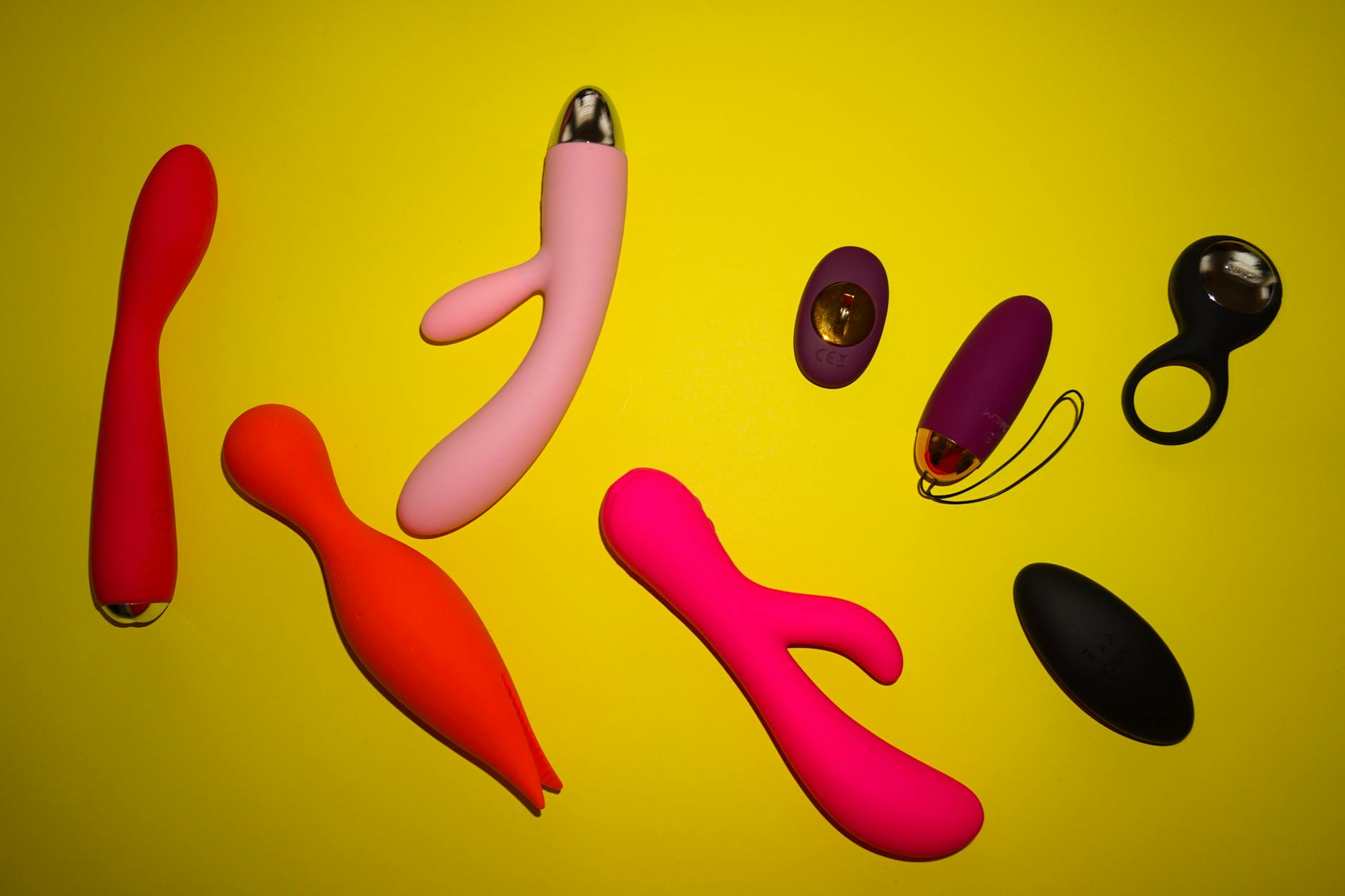
Photo by DRT.fm on Pexels
How to start using them when disconnection is deep
The first phase is solo. Not as foreplay to being with your partner. As its own complete experience.
Set aside 20 to 30 minutes when you're alone and your nervous system is genuinely calm. Not squeezed into a lunch break or tacked on before sleep when you're exhausted. A lemon clitoral vibrator works best when your body has time to respond. That takes longer than you might think if you've been disconnected.
Start on the lowest setting. Let the sensation build gradually. Your vulva might feel less responsive than it used to, especially if there's been months of avoidance. That's normal. The tissue needs time to remember that pleasure is safe.
Don't aim for orgasm in these early sessions. That adds the exact pressure that's already keeping you disconnected. Instead, notice what feels good. What makes you want to slow down or speed up. What patterns feel like yours, not something you learned from someone else.
This is where lemon sexual toys shine: they're specific enough that the sensation pattern feels distinct. It's not just vibration. The suction creates something that your body recognizes as novel, which actually makes it easier to stay present.
The next phase: regaining control in partnership
After a few solo sessions (and this might be a week or two), introduce the lemon vibrator into partnered time, but not yet during sex. Use it together while you're just touching, talking, or being close.
The key here is that you're holding it. You control the intensity, the timing, the pattern. Your partner is present but not in charge. This matters because disconnection often comes with a loss of agency. You've fallen into a rhythm that doesn't feel like yours anymore.
When you hold the lemon clitoral vibrator and your partner watches or touches you, you're literally reclaiming your pleasure as something that belongs to you first.
Many couples find that this phase actually rebuilds emotional intimacy faster than anything else. Not because you're having sex, but because you're choosing vulnerability in a controlled way. Your partner gets to see you prioritize your own sensation. You get to experience desire as something you're directing, not something that's being asked of you.
What happens when you move back into sex
Some couples use the lemon vibrator during partnered sex. Some don't. Both are fine. The point isn't to make the vibrator the centerpiece of your intimate life. It's to use it as a reset button for your nervous system.
If you do use it together during sex, keep the pressure off. It's not a replacement for what your partner can do. It's an addition. Something that happens because it feels good, not because you need it to make sex work.
Most often, what happens is quieter: after a few weeks of using a lemon clitoral vibrator solo and then together, the disconnection starts to soften. Not because you forced emotional intimacy, but because your body has remembered that sensation matters. That pleasure is still accessible to you.

Photo by cottonbro studio on Pexels
The conversation that happens after sensation returns
Once your body has relearned pleasure, conversations about intimacy change. They're no longer about "why aren't we having sex" or "I miss feeling close." They become specific: what actually works, what you both want moving forward, where the disconnection came from and whether it's something time and pleasure can heal or something deeper that needs a different kind of support.
Lemon vibrators aren't therapy. But they can be the door that makes therapy possible. When your nervous system is activated and you're remembering sensation, you're in a better state to actually talk about what's been missing.
When disconnection signals something bigger
Sometimes disconnection in long-term relationships is just disconnection. Years happen. You drift. A lemon clitoral vibrator helps you find your way back to touch.
But sometimes disconnection is a symptom. There's resentment that hasn't been addressed. There's a betrayal that's never been fully processed. There's fundamental incompatibility in what you each want from partnership that's become too obvious to ignore.
A pleasure tool can't fix those things. What it can do is buy you clarity. If reconnecting with your own sensation helps your body relax enough to have real conversations with your partner, that's valuable. If you use the lemon vibrator, feel better physically, and realize the emotional distance is still there because something bigger is broken, that's also valuable information.
The point is to get your nervous system calm enough to know the difference.
The real reason lemon vibrators work for this particular kind of distance
When you're disconnected from your partner, you're often also disconnected from yourself. Your pleasure has become something you give or something that's done to you. It hasn't been yours for a while.
Clitoral vibrators, especially lemon sexual toys with their specific suction pattern, make pleasure feel like a solo practice again. Even when your partner is there, even when you're using it together, the sensation is yours. You control it. You direct it. You own it.
That reclamation often matters more for long-term couples than any amount of scheduled date nights or couples therapy worksheets. Because disconnection isn't really about sex. It's about feeling like an individual again inside a partnership.
The lem vibrator, the lemon clitoral vibrator, any of the lemon adult toys available through Hallo Nancy Lems. They work because they give you back that sense of agency.
If you're not sure which option is right for you or your partner, the buying guide can help clarify which lemon vibrators suit different bodies and pleasure styles. And if you want to talk through whether a pleasure tool is the right first step for your specific situation, reach out to connect with support.
FAQ
Can using a vibrator alone make my partner feel like I don't want them?
Not if you're clear about it. Solo pleasure isn't rejection. It's reclamation. Many partners actually feel relieved when they understand that using a lemon vibrator solo helps you feel better in the partnership, not less interested in them. The conversation matters more than the tool.
How long before using a lemon clitoral vibrator together feels natural after months of disconnection?
It varies, but usually 2-4 weeks of solo use first, then another 2-3 weeks of using it together before it feels integrated. Don't rush the solo phase. That's where the real nervous system reset happens.
What if my partner wants to be involved right away and I need solo time first?
That's a reasonable boundary. Explain that you need to reconnect with your own sensation first before bringing them in. Most partners understand when they realize it's not about them. If they don't, that might signal that the disconnection is actually about something else entirely.
Does using a lemon sucker mean we have relationship problems?
No. Long-term couples use pleasure tools all the time. Using a lemon vibrator is as normal as using lube. It doesn't mean anything except that you're choosing to prioritize sensation and intimacy in a way that works for your specific nervous system right now.
Is there a difference between using a lem vibrator solo versus with a partner when reconnecting?
Yes. Solo, you're building confidence and rediscovering your own pleasure. With a partner, you're practicing vulnerability and rebuilding trust through physical presence. Both phases matter. Don't skip the solo phase just to get to partnered use.
What if we use lemon vibrators together and still feel disconnected?
Then you probably need support beyond pleasure tools. A therapist or couples counselor can help identify whether the disconnection is about sex, emotional intimacy, life stress, or something else entirely. Pleasure tools are powerful, but they're not a replacement for professional support when deeper issues are at play.
Disconnection after years together doesn't mean your relationship is broken. It means you both need to remember what sensation and presence feel like. If you're ready to rebuild that, starting with your own pleasure is the most honest way forward. Whether that's through solo exploration with a lemon clitoral vibrator or through gradually bringing your partner into that practice, you deserve to feel like yourself again in your intimate life. If you want guidance tailored to your specific situation, reach out and we can talk through what might work best for you.