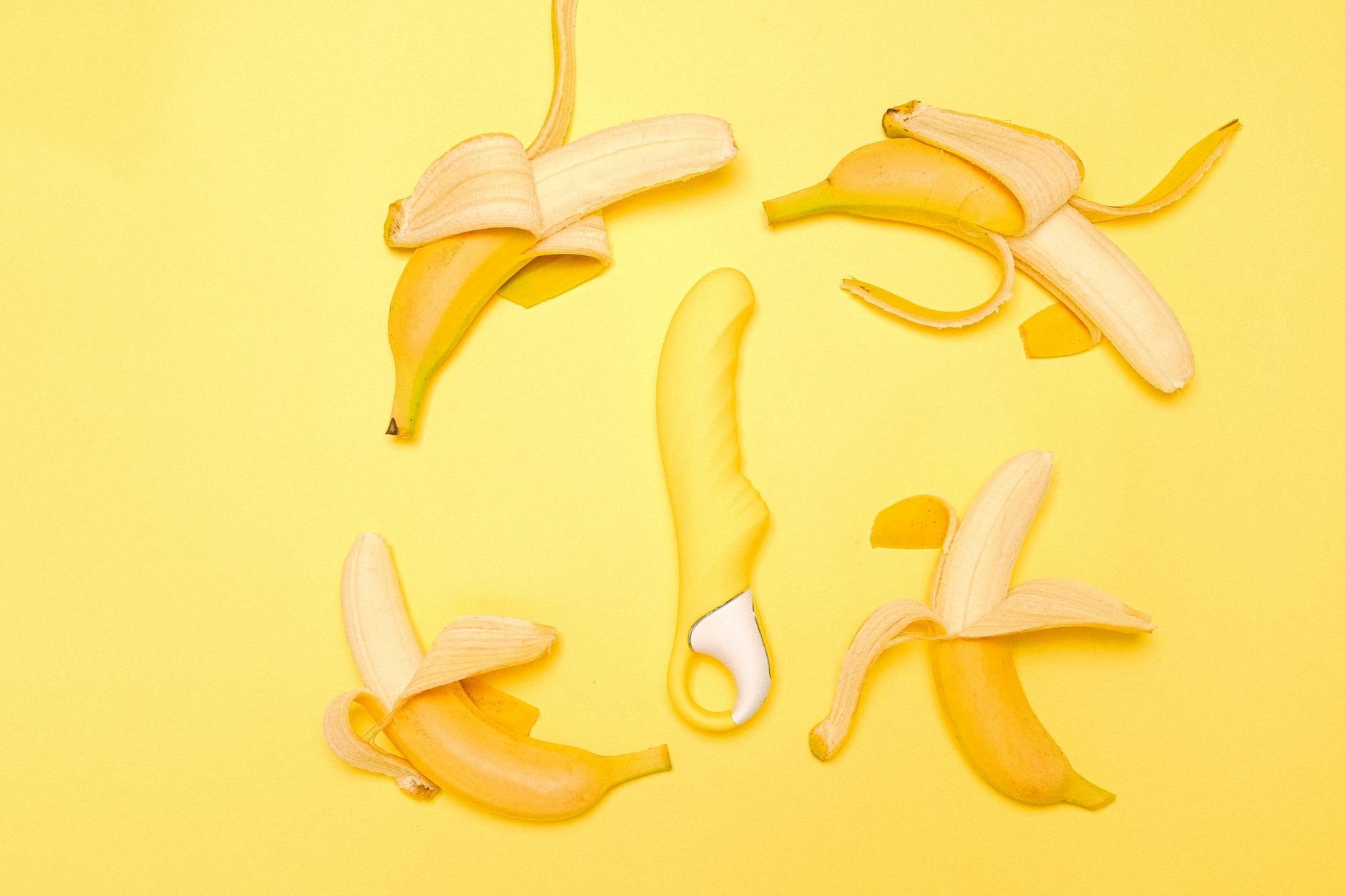
When numbness lifts, pleasure can follow
Let's be real. Numbness doesn't feel like nothing. It feels like betrayal. For months or years, you might have felt almost nothing at your clitoris. Touch was there, but the sensation? Gone. And then one day, one week, one month into stopping a medication or working through trauma or just aging out of a difficult chapter, something shifts. Feeling starts to return. And suddenly you're standing in the shower thinking, "Wait. I felt that." It's disorienting. It's also an opportunity. The tricky part is not rushing it.
Sensation recovery after numbness is neurologically real. Your nervous system is essentially learning to receive signals again. That takes patience, the right kind of stimulation, and often, a tool designed for sensitivity. Lemon vibrators, particularly the Lem, are built exactly for this moment because they use suction rather than vibration alone. That distinction matters when you're starting from zero.
Why sensation numbness happens (and why it comes back)
Three main culprits create clitoral numbness. Understanding which one applies to you shapes how you rebuild.
Medication side effects. Selective serotonin reuptake inhibitors (SSRIs) are notorious for dulling sensation and delaying orgasm. Birth control pills can do it too. So can some antihistamines and blood pressure medications. The numbness isn't permanent, but it persists as long as the medication does. If you've switched medications or adjusted dosage, sensation often returns within weeks to months as your nervous system recalibrates.
Trauma or psychological blocks. Your brain can shut down sensation as a protection mechanism. After assault, ongoing abuse, or even low-level chronic stress about sex, the clitoris can feel almost anesthetized. This isn't weakness. It's your nervous system doing its job. As trauma processing happens (ideally with a therapist), sensation gradually returns. The body wants to feel again. It just needs permission.
Nerve damage or metabolic changes. Diabetes, thyroid dysfunction, and chronic stress can all affect nerve endings. So can prolonged pelvic floor tension, which restricts blood flow to tissues. If numbness is new and you're not on new medication, a check-in with your doctor matters to rule out underlying causes.
The good news: sensation doesn't stay gone forever. The clitoris has roughly 8,000 nerve endings. They don't disappear. They're just quiet. The job now is to wake them up gently.

Photo by Ihsan Adityawarman on Pexels
Why lemon vibrators are built for sensation recovery
Most vibrators work through rapid oscillation. The Lem works through pulsed suction. That's the core difference, and it matters enormously when you're starting from numbness.
Vibration can feel aggressive to a reawakening clitoris. It's stimulating, but it's also noise. Suction is a gentler form of stimulation that draws blood to the area, increases sensitivity, and activates nerves in a more gradual, sustained way. Think of it as the difference between poking someone awake versus slowly lifting a blanket to let light in.
Lemon clitoral vibrators also let you control intensity with precision. You can start at pattern 1 or 2, which feels almost meditative, like a gentle pulse rather than a vibration. That's crucial when you're rebuilding sensation. You're not trying to force an orgasm. You're trying to remind your body that feeling is possible.
The suction mechanism also creates a kind of feedback loop that traditional vibrators don't. The more blood flows to the area, the more sensitive it becomes. So the sensation actually builds over time, rather than plateauing or feeling one-note.
The first week back: what to expect and how to start
When sensation begins returning, some people feel it immediately and intensely. Others feel almost nothing for weeks, then suddenly it clicks. Both are normal.
Start solo. This is not the time to involve a partner or worry about anyone else's pleasure. You're mapping your own nervous system. The only goal is to experience sensation without pressure.
Set 15 minutes, no timer. Put your phone in another room. No checking. This isn't a performance. It's a conversation with your body. Some sessions you'll feel something. Some you won't. Either way, you're building neural pathways that say "this is safe."
Begin with lube. Water-based only, even though lemon vibrators are silicone and silicone lube feels richer. Your tissues are sensitive from not being stimulated. Lube reduces friction and makes the sensation feel more pleasant than numb. Apply generously.
Start at the lowest setting. Most people expect vibrations to feel like a jackhammer. The Lem at setting 1 feels more like a gentle hum. That's the sweet spot for sensation recovery. Let it sit. Don't rush into patterns.
If after five minutes you feel genuinely nothing, that's fine. Try a different spot. The clitoris has sensitive and less sensitive zones. The tip is often most reactive early on. The sides and shaft might need more time.
Expect sensation to be weird. Not in a bad way. Just weird. You might feel tingling, warmth, or almost an ache. Your body might respond with wetness without feeling arousal. You might feel something close to tickling. These are all your nervous system coming back online. None of it means you're broken or doing it wrong.
Building the ritual over weeks
After the first week, you have data. You know roughly where you feel sensation and how intense it is. Now you're building.
Week two through four: expand gradually. Add a couple of minutes per session. Try patterns 2 and 3 if pattern 1 feels like a starting point now. Notice what feels better. Some people find that circular motions (if your lemon vibrator has pattern options) feel warmer than pulsing. Others prefer the constancy of a single pattern. You're not right or wrong. You're learning your own preferences.
Introduce self-talk. I know this sounds odd, but it's evidence-based. As sensation returns, anxious thoughts often surface: "Will it ever feel normal again?" or "Am I doing this right?" Gently redirect. Something like "My body is waking up. I'm safe. This is supposed to feel unfamiliar." Say it aloud if you can. Your nervous system hears you.
Notice arousal separately from sensation. They're not the same thing. You can have sensation without arousal and arousal without strong sensation. Early in recovery, sensation often arrives first. Arousal builds later. Don't confuse them. If you feel sensation but not turned on, that's progress. Your nervous system is simply coming back online.
Track what works. Mental note or actual note: which pattern felt best? Which time of day? Morning, afternoon, evening? Was it better right after exercise or after you'd rested? This isn't performance data. It's information that helps you understand your own body again.
When to involve a partner (and how)
If you have a partner, bringing them into this process too early can stall it. Your nervous system needs to trust what it's feeling before you add emotional stakes.
When you're ready (this varies wildly, but usually 3-6 weeks after sensation starts returning), a conversation helps. Not "I want to use a lemon vibrator during sex." Instead: "My sensation is coming back. I'd like to spend a few sessions exploring alone first, but eventually I'd like you to be part of this." That's honest. It's also inviting.
When a partner is involved, the dynamic shifts. You might feel pressure to orgasm or to perform the way you used to. That pressure stops sensation dead. A partner can help by doing almost nothing. Stay present. Don't rush. Let your pleasure be slow and weird. If you feel nothing in a particular session, that's not failure. If you feel something unexpected or less than before, that's normal too. Sensation is not linear.
If your partner is skeptical about using lemon vibrators or lemon clitoral vibrators during partnered sex, reframe it. It's not a replacement for them. It's an amplifier. The suction and pulsing can actually make you more responsive to touch, more easily aroused, more likely to orgasm. That's usually compelling enough.
Common hitches and what they mean
You feel sensation but it doesn't lead anywhere. This is normal in early recovery. Your clitoris is waking up, but the arousal circuits are still quiet. Keep using the Lem. Over weeks, sensation and arousal will sync again. Forcing it only adds pressure.
You feel soreness after a session. Back off intensity. You might be too ambitious too fast. Your tissues are sensitive. They're also rebuilding. If you're sore, rest 2-3 days before trying again.
Sensation is inconsistent (strong one day, nothing the next). This is actually really common and usually means your nervous system is still recalibrating. Stress, sleep, hydration, and where you are in a cycle (if you menstruate) all affect sensation. Consistency comes after about 2-3 months of regular use.
You feel sensation but not pleasure. Sensation and pleasure are different neural pathways. Sensation is the signal. Pleasure is the interpretation. Early in recovery, sensation often arrives without pleasure attached. That's okay. Keep going. Pleasure usually follows once sensation feels normal again.
Why lemon vibrators specifically help sensation recovery
Here's the clinical reality: suction-based stimulation activates a different set of nerve fibers than vibration alone. It creates sustained stimulation rather than rapid-fire oscillation. For people with numbed or reawakening sensation, sustained is better than intense.
The Lem's design also means you're not adding unnecessary complexity. You're not managing intensity that's too high, worrying about whether you're using it correctly, or fighting the mental story that vibrators are "too much." It's simple. It's gentle. It works.
Many people recovering from numbness report that lemon clitoral vibrators feel like the first tool that actually works. Not because they're magic. Because they match what a reawakening nervous system needs: patience, consistency, and the right kind of touch.
People also ask
How long does it typically take for sensation to fully return after medication-related numbness?
Most people report at least partial sensation returning within 2-4 weeks of stopping a medication like an SSRI. Full sensation sometimes takes 2-3 months. Some people regain it faster. Others plateau at 80 percent and stay there. The important thing: you'll likely notice improvement much sooner than you think. Track small changes. That first moment when you feel something is often the beginning of much more.
Can I use a lemon vibrator if sensation still hasn't returned but I'm hopeful?
Absolutely. In fact, regular use of a lemon vibrator can actually accelerate sensation return because it increases blood flow to the area consistently. You might not feel much at first, but you're waking the tissue up neuromuscularly. Patience matters, but action matters too. Use it weekly at minimum, ideally more. Treat it like physical therapy for your nervous system.
Is numbness after trauma permanent or does it come back on its own?
It doesn't come back on its own, but it does respond to processing. Trauma-related numbness is your nervous system's protection. As you work through the trauma (ideally with a therapist trained in somatic or trauma-informed approaches), your body gradually un-protects itself. Sensation returning is often one of the first signs that healing is working. Using a lemon vibrator alongside therapy accelerates this process because you're giving your body permission to feel safely.
Should I use a lemon vibrator or a traditional vibrator for sensation recovery?
Lemon vibrators are usually better because they don't force intensity. Traditional vibrators can feel overwhelming to a reawakening clitoris. Suction is gentler. That said, if you have a vibrator you love and you start at the lowest setting, it can work too. The principle is the same: gentle, consistent stimulation. Lemon vibrators just make it easier to stay gentle.
What if I'm using the Lem but sensation isn't improving after two months?
Two scenarios here. First: you might be going too hard. Back off to 10-minute sessions at setting 1. Sometimes less is more when you're recovering. Second: if numbness is severe or not improving at all, check in with your doctor. Numbness that doesn't respond to time and lower doses of medication can indicate underlying metabolic issues or nerve damage that needs professional evaluation. That's not failure. It's information.
Can my partner use a lemon vibrator on me if sensation is returning but still muted?
Yes, but with care. A partner can actually help speed sensation recovery because they can be more objective about where you're responsive. But they need to be patient. Let them know: "I might not feel much and that's okay." Prevent them from trying to force orgasm or treating this like regular sex. This is exploration and healing. The pressure to perform kills sensation faster than anything else.
The bottom line on lemon vibrators and sensation recovery
Your clitoris didn't forget how to feel. Your nervous system just went quiet for a while. Sensation recovery is possible, and using the right tool makes it so much easier. Lemon vibrators, specifically tools like the Lem, are designed for exactly this moment. They're gentle. They're intuitive. They work with your nervous system rather than against it.
The recovery timeline varies wildly from person to person. Some people feel major changes within weeks. Others need months. The rhythm matters more than the timeline. Show up consistently. Be patient with the weird and unfamiliar. And trust that your body wants to feel again. It just needs permission and the right kind of touch.
If you're navigating sensation recovery alongside a relationship, how to use lemon vibrators when you're rebuilding intimacy after emotional disconnection covers the partner dynamics in detail. And if medication side effects are still affecting sensation, best lemon vibrators for numbness from antidepressants goes deeper into medication-specific recovery.
Your pleasure matters. Recovery is possible. Start this week.