Let's name what's really happening
Pelvic floor dysfunction is not about weakness. It's not about broken pleasure. What it actually is: a tension pattern, usually caused by overuse, anxiety, trauma, or childbirth, where the muscles that should relax stay contracted. That tension blocks sensation, makes arousal feel distant, and can make you feel disconnected from your own body.
Here's the thing nobody tells you: you can absolutely reclaim pleasure during recovery. It doesn't mean ignoring the dysfunction or pushing through pain. It means using the right tools, the right technique, and the right mindset to retrain your nervous system.
Understanding pelvic floor tension and arousal
Your pelvic floor is a sling of muscles that runs from your pubic bone to your tailbone. When they're healthy, they contract and release. When they're dysregulated, they stay tight, and that tightness blocks the blood flow and nerve sensitivity that arousal needs.
This is why many people with pelvic floor dysfunction report: numbness during sex, difficulty reaching orgasm, pain, or the sensation of being "checked out" even when they're trying to be present. The dysfunction isn't stopping you from wanting pleasure. It's stopping your body from feeling it.
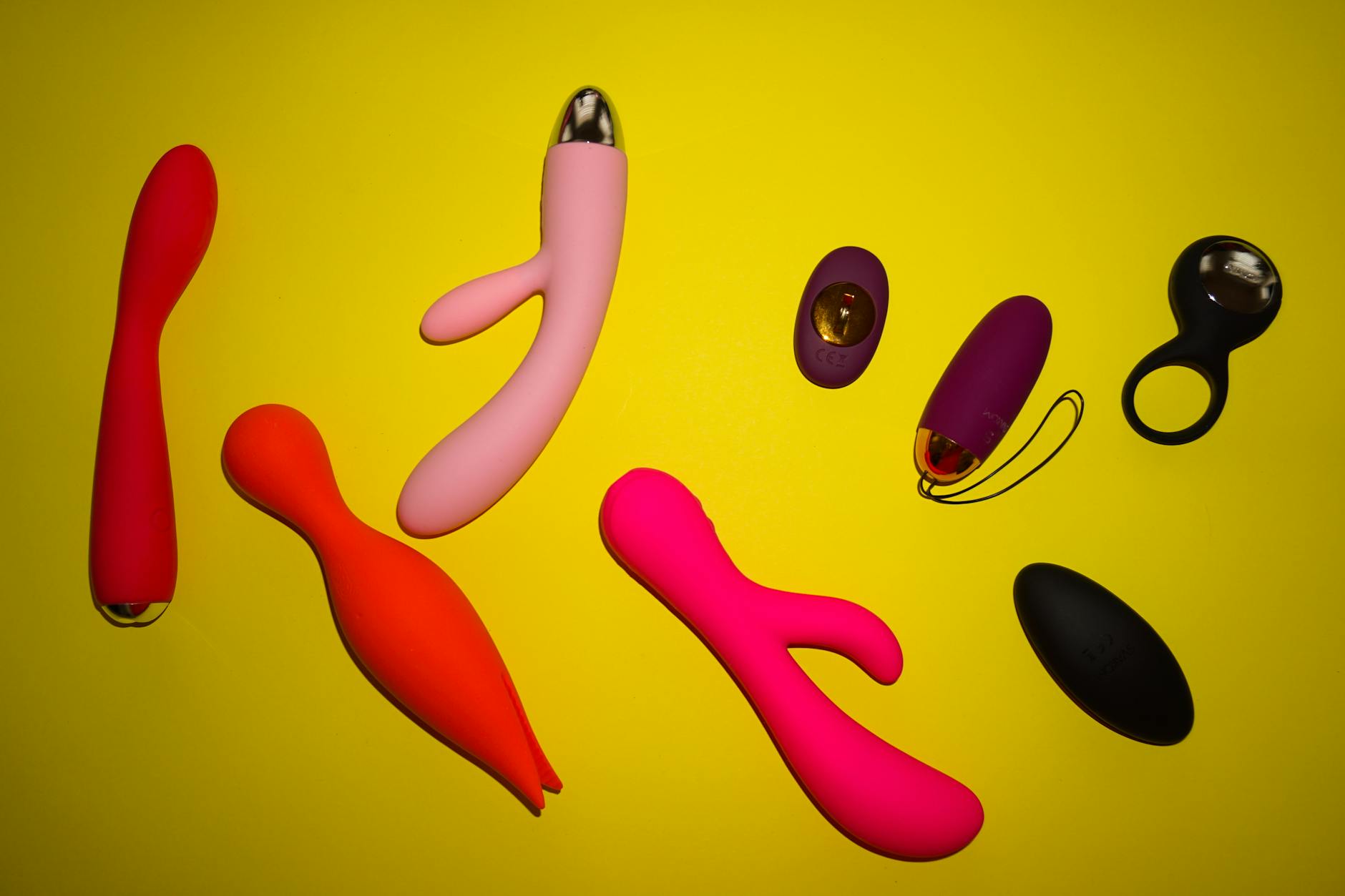
Lemon vibrators, specifically air-suction devices like the Lem, work well during recovery because they don't require penetration or intense friction. They apply gentle, rhythmic pressure that can actually help retrain the pelvic floor to recognize sensation and practice releasing, rather than gripping tighter in response to stimulation.
The reset phase: your first two weeks
If you're just starting recovery, your job is not orgasm. Your job is sensation awareness. This is not deprivation. It's the foundation.
Start with the Lem on its lowest setting, 2-3 minutes at a time, external only. No penetration, no internal stimulation. The goal is to let your nervous system remember what pleasure feels like without threat or pressure. Many people find that even this gentle contact initially triggers a "bracing" response. The pelvic floor tightens. That's information. It means your body is still in protection mode.
When you notice that tightening, pause. Take three deep breaths. Your pelvic floor will follow your breath. Exhale longer than you inhale. This is not woo. It's nervous system recovery.
Building tolerance gradually
After two weeks of the reset phase, you can expand. Move from 2-3 minutes to 5-7 minutes. Try settings 1 and 2 (still low). Notice: Do you feel sensation? Does the area around your clitoris warm up? Does your breath change? None of these are pass-or-fail. You're just collecting data.
Many people report that sensation returns unevenly. You might feel more on the left than the right, or more at the outer edges than the center. This is completely normal. Your nervous system is reactivating in its own order.
The second phase usually lasts 3-4 weeks. You're not chasing orgasm yet. You're practicing the skill of allowing pleasure in without your pelvic floor automatically rejecting it.
When arousal starts returning
Somewhere in week 4 or 5, arousal often begins to shift. You might notice warmth, a slight increase in sensation, or (and this matters) a decrease in the constant bracing. Your pelvic floor might start to relax slightly on its own, without you having to think about it.
This is when you can introduce partner connection or longer solo sessions. If you're with a partner, this is not the time for them to take the lead. You stay in control. You control the intensity, the duration, and the pace of stimulation. That control is what rebuilds trust between you and your body.
If you're exploring solo, you can now use settings 2-3 on the Lem and explore for 10-15 minutes. Pay attention to what feels good, not what you think should feel good. Some people find that slower, more rhythmic patterns work better than rapid patterns. Others need variation.
You may not orgasm yet, and that's fine. The goal is still nervous system recalibration, not climax.
Breathing, breathing, and more breathing
I cannot overstate this: your breath is doing 60% of the pelvic floor work. When you hold your breath, your pelvic floor grips. When you breathe deeply, it releases.
During use of lemon sexual toys like the Lem, practice this simple pattern: inhale for four counts, exhale for six. The longer exhale is key. It activates your parasympathetic nervous system, the one that says "we're safe, we can relax." Your pelvic floor listens to your nervous system. If your nervous system is saying "threat", your muscles stay locked.
Many people find that breath work alone restores sensation they thought was gone forever. You're not forcing anything. You're inviting.
The role of partner dynamics
If you're in a relationship, your partner needs to understand something: your recovery is not about them. It's not because they're not attractive enough or skilled enough. It's about your nervous system recalibrating.
The best partners in pelvic floor recovery are the ones who can sit with you, not fix you. They might use a lemon clitoral vibrator alongside you, or they might simply be present while you explore alone. Many couples find that separate pleasure sessions, where each person focuses on their own recovery, actually strengthen the relationship because you're both being resourced instead of one person trying to "help" the other perform.
If your partner struggles with this dynamic, a sex-positive therapist can help translate what's happening from performance failure into nervous system healing. It changes everything.
When to see a pelvic floor specialist
If after 6-8 weeks of gentle, consistent practice with lemon vibrators you're still experiencing significant numbness, pain, or no improvement in sensation, you need a pelvic floor physical therapist. Not a general PT. A specialist in pelvic floor dysfunction.
They can assess whether your tension is muscular, neurological, or a mix. They can teach you specific release techniques and may recommend tools like dilators, intravaginal release devices, or trigger point work that you can do at home. Some people benefit from combining pelvic floor therapy with vibrator use. Others need the therapy first to reduce tension, then reintroduce pleasure tools.
There's no shame in this. You're not broken. You're getting professional help for a specific dysfunction, the same way you'd see a physical therapist for a shoulder injury.
Reclaiming confidence alongside sensation
The hardest part of pelvic floor dysfunction recovery is not physical. It's emotional. You feel like your body failed you. You feel disconnected. You feel like pleasure is something that happened to you before, not something you get to have now.
This is where patience with yourself becomes the actual tool. Every session with a lemon vibrator is not a pass-or-fail test. It's a conversation with your body. You're saying: "I know you're scared. I know you've been protecting us. I'm here to help you relax."
Orgasm will return. Sensation will return. But it returns on your timeline, not a calendar's timeline. Some people recover in 8 weeks. Others take 6 months. Both are successful if you're moving toward more sensation, more presence, and more trust in your body.
The Lem works particularly well during recovery because it's forgiving. It doesn't require you to coordinate multiple things at once. You're not managing a partner's rhythm, managing penetration, managing arousal. You're just receiving gentle stimulation and learning to let your body relax into it.
FAQ: Pelvic Floor Dysfunction and Pleasure Recovery
Can I use any vibrator during pelvic floor recovery, or does it have to be a lemon clitoral vibrator?
Not all vibrators are equal for recovery. Wand vibrators with high-intensity patterns can actually reinforce pelvic floor tension by triggering a defensive brace response. Air-suction devices like the Lem work better because they apply rhythmic suction rather than rapid vibration, which your nervous system perceives as gentler. Start with the lowest intensity option on whatever device you choose, and prioritize sensation awareness over stimulation intensity.
How do I know if I'm ready to move from the reset phase to building tolerance?
You're ready when you can use the vibrator for 2-3 minutes without your pelvic floor gripping the entire time, and when you notice even subtle sensation (warmth, slight tingling, or just awareness of the area). You don't need full arousal or comfort. You just need to notice that your body is responding instead of defending. If after two weeks you're still white-knuckling through it, that's okay. Stay in the reset phase for another week.
Is it normal to feel disconnected or numb even while using a lemon vibrator?
Completely normal. Numbness is often a protective response your nervous system has learned. When you first start reintroducing gentle stimulation, your body might not trust it yet. This is why the reset phase is so slow. You're slowly, slowly teaching your nervous system that sensation is safe. If numbness persists after 6-8 weeks, that's when you want pelvic floor physical therapy to assess whether there's a nerve component to your dysfunction.
Can I have partnered sex while I'm recovering, or should I wait until I can orgasm solo first?
You can have partnered sex, but with modifications. Penetration often triggers pelvic floor tension more than external stimulation does. Many recovering people find that partnered time focuses on external stimulation with lemon vibrators, hands, or mouth, and saves penetration for later in recovery when you've rebuilt more sensation and trust. Talk with your partner about this explicitly. You're not rejecting them. You're protecting your recovery.
How does pelvic floor dysfunction recovery relate to orgasm? Will I be able to orgasm again?
Yes, most people regain the ability to orgasm once their pelvic floor relaxes enough for blood flow and sensation to return. The timeline varies widely. Some people orgasm within 2-3 months of starting recovery. Others take 6+ months. Patience is not passivity. You're actively retraining your nervous system. Orgasm will follow as a natural outcome of that retraining, not as the goal you're racing toward.
What if pain shows up during recovery with a lemon vibrator?
Pain is a stop signal. If you feel pain during or after vibrator use, dial back the intensity, reduce session duration, or pause entirely for a few days. Pain often indicates that your pelvic floor is bracing harder in response to perceived threat. This is useful information. It tells you that your nervous system still needs more time, more breath work, or possibly professional assessment. Do not push through pain. It doesn't build resilience. It reinforces the protective pattern you're trying to heal.
Your recovery is real progress
Pelvic floor dysfunction recovery is not glamorous. It's slow. It's measured in millimeters of sensation returning, in slightly longer sessions without bracing, in moments where you remember what arousal felt like and know it's coming back.
Hallo Nancy Lems exists partly because pleasure tools like lemon vibrators can support this kind of recovery without judgment and without pressure. You're not using a sex toy. You're not performing. You're retraining.
Your body remembers how to feel good. It just needs time, gentleness, and the right support. If you have questions about your specific recovery path, we're here. Reach out to our team at /contact and let's talk about what might work for you.