Let's name the impossible position
One partner just finished a course of antibiotics and feels ready. The other is three weeks into recovery from surgery and sex is nowhere on the radar. Or one of you has rebuilt desire after medication changes while the other is still adjusting. Or one partner bounced back from illness faster than expected, and now there's a gap nobody planned for.
This is real. It happens constantly. And it's one of the loneliest things couples don't talk about because it feels like both of you are failing.
You're not. You're just on different timelines.
Why recovery creates desire mismatches
Recovery isn't linear. Your bodies are processing different things. One person might feel physically clearable weeks before they feel emotionally ready. The other might feel desperate for touch but physically fragile. Pain meds flatten libido. Fatigue erases it. Anxiety hovers over both partners in ways that don't sync up.
Here's the thing that rarely gets said: it's not about how much you love each other. It's about biology, nervous system regulation, and the fact that two bodies don't heal on the same schedule. Trying to force synchronization is like asking two people to digest at the same rate. It doesn't work.
The resentment sneaks in quietly. The recovering partner feels broken because they're not ready. The waiting partner feels abandoned because their partner isn't there yet. Neither of you is wrong. You're just displaced from each other temporarily.
Why lemon vibrators solve a specific problem here
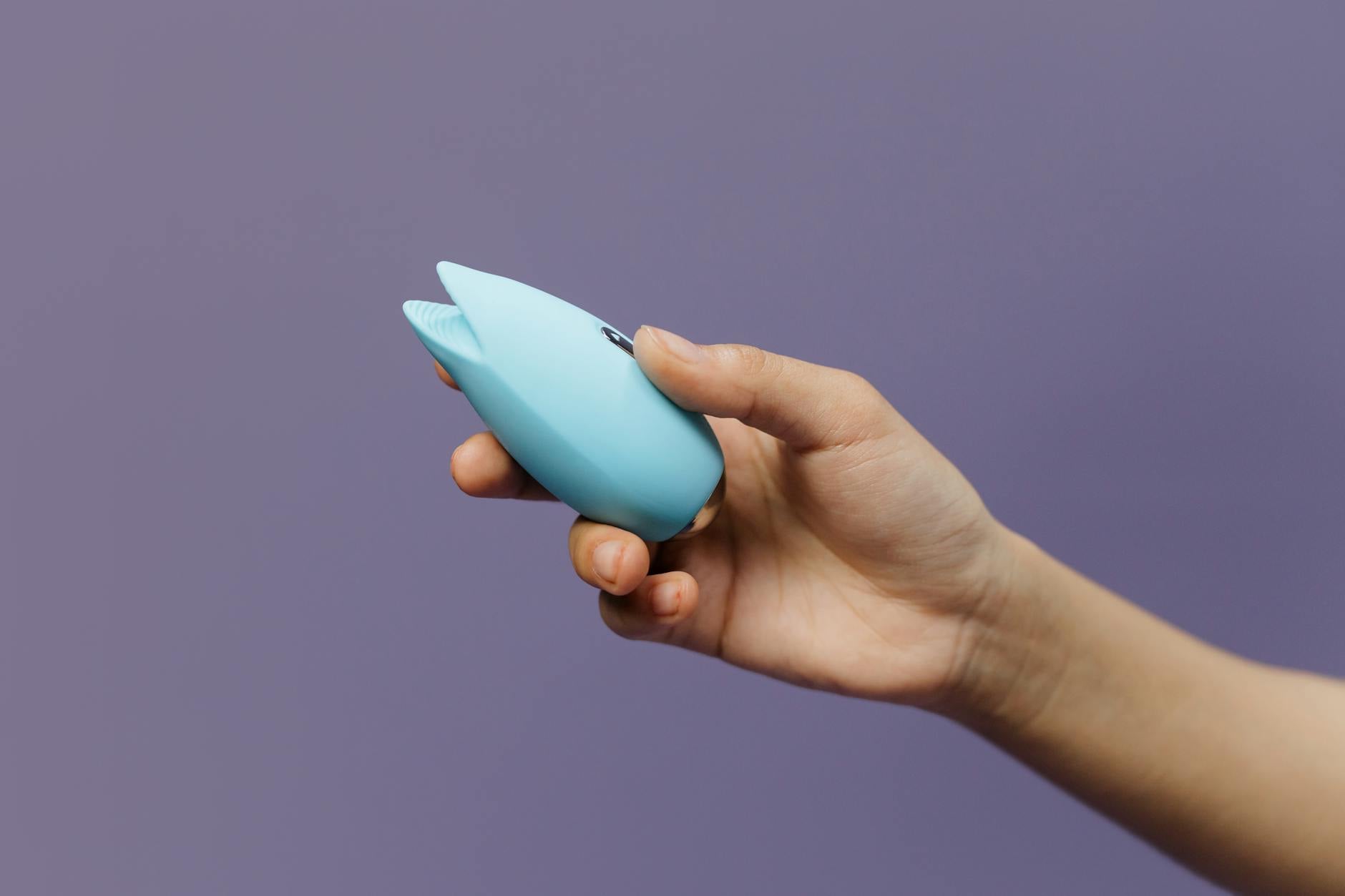
A lemon clitoral vibrator like the Lem does something most couples miss: it lets one person experience pleasure without requiring full participation from the other.
That sounds simple. It's not. In long-term partnerships, pleasure often gets tangled up with obligation. If your partner uses a lemon vibrator while you watch or participate minimally, you're not failing them. You're not depriving them. You're actually meeting them exactly where the relationship is right now.
The suction design means external stimulation only. No penetration. No pressure on a healing body. No performance anxiety about whether you can "keep up." The person using it gets genuine sensation and genuine pleasure. The partner watching gets to be present without strain.
You're not sidelining sex. You're practicing it differently for a season.
The conversation you actually need to have
Before you introduce a lemon vibrator, you need to separate three conversations that couples usually jam together.
Conversation 1: Timeline and healing. "I'm not ready yet, and that's okay. Here's roughly what my body needs before I am." This is informational, not apologetic. The recovering partner isn't saying sorry. They're saying here's the actual situation.
Conversation 2: Desire and your body. "I still want to feel close to you. I'm just not ready for X, Y, and Z yet." Sometimes recovering partners feel sexual wanting but physical hesitation. Say it. Don't collapse those into one narrative of "I'm just not interested right now."
Conversation 3: What works for you right now. "Would it help if I used a vibrator while you're here, or would you rather opt out of that part for now?" This is consent, not pressure. Either answer is fine. The goal is to find what doesn't require either of you to compromise your actual needs.
Most couples skip this and jump straight to frustration.
How to actually use a lemon vibrator during recovery mismatches
Four practical setups that work:
Solo, with your partner knowing. You're not hiding anything. You're just managing your own pleasure on your own timeline. Your partner knows, supports it, maybe checks in afterward. No secrecy. No shame. This is especially useful if the recovering partner isn't ready to be present yet but wants to know the other person isn't suffering.
Together, mostly passive. You're in the same room. One partner uses the vibrator. The other is present but doesn't have to do much. Maybe you're touching but not penetrating. Maybe you're just talking. Maybe you're in silence. The key is togetherness without demand.
Mutual, adapted. The recovering partner uses the vibrator on the waiting partner while they manage pleasure. This keeps you connected without requiring the recovering partner's body to do anything they're not ready for. It's active on both sides but distributed differently.
Timed and boundaried. You agree beforehand: "We'll spend 15 minutes on this, then we transition to something else." Boundaries actually reduce anxiety because nobody is wondering how long this goes on or what comes next.
Pick the setup that fits your actual situation, not the one you think looks best to outsiders.
What often sabotages couples in this exact position
The waiting partner gets impatient and pushes the timeline. This doesn't speed healing. It just creates dread in the recovering partner, who now associates intimacy with pressure instead of safety.
The recovering partner feels so guilty they rush their own recovery. This either stalls actual healing or creates pain during sex, which sets you back further.
Both partners stop talking about it and pretend everything is fine. Resentment builds in silence. By the time you resurface the topic, you're not solving a recovery problem anymore. You're fighting about feeling unsupported for months.
The simplest protection: check in weekly. "How's your body?" "How are you feeling about us?" These don't have to be long conversations. Five minutes of honesty beats weeks of assumption.
When recovery takes longer than expected
Sometimes the timeline shifts. Surgery complications. Medication adjustments. Emotional processing that takes longer than the body's healing. This is where couples often break because they treated the mismatch as temporary when it becomes chronic.
If you're six weeks in and the gap isn't closing, you might need to reset expectations. Not give up. Reset. "This is taking longer than we thought. Let's find what works for us right now, not what we hoped would work by now."
This is when introducing a regular practice with a lemon vibrator becomes less about bridging a gap and more about building a sustainable rhythm. One partner gets pleasure. The other gets to participate in a way that doesn't compromise their healing. You stay connected without forcing synchronization.
Consider checking in with a therapist if resentment is building or if one partner is pushing past their actual readiness. Recovery sex isn't something couples usually prepare for, and getting support isn't weakness.
The thing nobody says out loud
Your body is healing. Your partner's isn't. That's not a crisis in your relationship. That's a logistics problem.
Logistics have solutions. Resentment doesn't, not until you name what's actually happening. You're not failing each other. You're adapting to a temporary reality with creativity, honesty, and tools that work.
The lemon vibrators, the open conversations, the boundaried time together. All of it is foreplay for what comes after recovery. You're learning how to stay connected when things don't go according to plan. That's actually what long-term partnership looks like.
People also ask
Is it normal for partners to have different recovery timelines after surgery?
Completely normal. Bodies heal at different rates depending on the type of surgery, your immune response, pain levels, and stress. One partner might be cleared for activity weeks before the other feels emotionally ready, or vice versa. The mismatch isn't a sign something is wrong with the relationship. It's just a medical reality that requires communication and flexibility.
Can you use a lemon clitoral vibrator if one partner is still physically healing?
Yes, if the recovering partner is using it on themselves or a partner is using it on them externally. Suction vibrators like the Lem are external only, so there's no internal pressure or penetration required. The key is getting medical clearance before any sexual activity and checking in about comfort levels. If there's pain, stop and wait longer.
What if the recovering partner feels guilty for not being ready?
Guilty is normal. Letting it drive the timeline is not. Guilt often means you care about your partner, not that you're failing them. If your partner is pushing you to move faster than your body is ready for, that's a relationship problem to address directly. "I know this is frustrating for you. I'm not ready yet, and pushing me won't make my body heal faster." Honesty here prevents months of resentment.
How long should we wait before reintroducing shared sexual activity after surgery or illness?
Ask your doctor for a specific timeline, not a vague "whenever you feel ready." Most post-operative guidance gives a clear window. But emotional readiness often lags behind physical clearance. You might be medically cleared at six weeks but emotionally ready at eight. Both are valid. Don't rush the emotional part just because the physical part has a finish line.
Can lemon vibrators help if both partners have different recovery paces but one feels completely uninterested in sex?
No vibrator solves zero libido, but it can help one partner stay connected if the other is still interested but not ready for shared activity. If both partners have lost sexual interest or one partner has completely shut down desire, that's a separate conversation. A therapist or sex counselor might help untangle whether it's recovery, medication side effects, or relationship disconnection. Don't use toys as a replacement for addressing what's actually happening emotionally.
What if we don't feel comfortable introducing vibrators during recovery?
Then don't. Comfort matters more than tools. You can bridge a recovery mismatch with touch, oral sex, manual stimulation, or just honest conversation and patience. The point isn't to use a lemon vibrator. The point is to stay connected without forcing timelines. Pick whatever works for your actual comfort level and relationship.
The long view
Recovery mismatches feel like they're about desire or timing. They're actually about trust. Can you stay honest when things don't align? Can you advocate for your own needs without shaming your partner's reality? Can you find solutions that work for both of you instead of demanding one person compromise their healing?
These are the skills that carry couples through decades. Recovery is just the proving ground.
If you're navigating this right now and need more support, talking it through with a therapist or reaching out for guidance can help. You can connect with us at /contact if you want to explore more resources around partnership and intimacy.
Your body matters. Your partner's body matters. The timeline you're actually on matters more than the one you imagined.