Here's the thing about pleasure and chronic conditions
Pleasure doesn't stop because your body is managing multiple things at once. It gets complicated, sure. But complicated is not the same as impossible. The problem is that most conversations about sex and health treat it like an either/or: either your body is "fine" or pleasure isn't happening. That's not how real bodies work, especially when you're juggling fibromyalgia, migraines, arthritis, depression medication, trauma recovery, or any combination of the above.
I work with people managing overlapping health conditions all the time. And what I've learned is that pleasure with lemon vibrators in these situations isn't about forcing your body to perform the old way. It's about meeting yourself where you actually are, building a new rhythm, and understanding how your specific conditions interact with arousal.
Why multi-condition bodies need a different strategy
When you have one condition, the pathway is relatively clear: take these adjustments, use this device, manage that side effect. But when you're managing two or more conditions simultaneously, the interactions get messy. Your antidepressant numbs sensation. Your chronic pain flares unpredictably. Your medications affect blood flow. Your fatigue levels shift week to week.
The solution isn't adding more constraints. It's getting strategic about which tools work with your nervous system rather than against it.
A lemon clitoral vibrator offers something that most conventional options don't: it delivers consistent, targeted stimulation without requiring you to sustain extended physical effort or positioning that triggers pain. The suction-based design of a device like the Lem means your nervous system gets signal amplification without the friction that worsens inflammation or sensitivity.
Understanding how conditions interact with arousal
Your body doesn't compartmentalize. Chronic pain affects your brain's dopamine and serotonin pathways. Medications that help depression can flatten sensation. Fatigue depletes the cortisol regulation needed for arousal to build. And when you're managing multiple things, your nervous system is already running in a lower gear.
The first step is mapping your own pattern: Which conditions affect you most acutely on any given day? What time of day do you have the most energy? When is pain typically lowest? When do medications hit peak effectiveness? You're not looking for a "perfect window." You're looking for your realistic windows, plural.
Most people with chronic conditions don't have one window. They have a few scattered throughout the week. That's your actual timeline, and it's worth knowing.
Building your personalized pleasure ritual
When multiple conditions are in play, pleasure becomes a project with constraints, which sounds unsexy but actually isn't. It means you get to design something that works specifically for your body.
Start with position. Pain conditions and recovery limit how long you can stay in one position. A lemon vibrator is designed for external clitoral stimulation, which means you can pleasure yourself lying down fully supported, on your side, or reclined. You're not maneuvering. You're not holding yourself up. You're stable.
Second, medication timing matters more than you'd think. Some antidepressants hit peak efficacy 2 hours after you take them. Some blood pressure meds take 30 minutes. If you know the curve of your own medications, you can time arousal attempts for when your brain chemistry is most cooperative. That's not "hacking" your body. That's respecting how it actually works.
Third, warm-up time is your ally. People managing chronic pain and medications need longer arousal ramps. Budget 20 to 30 minutes minimum. The first 10 might be low-intensity exploration. The second 10 might be building sensation with a lemon vibrator on gentler settings. This isn't wasted time. This is the actual experience.
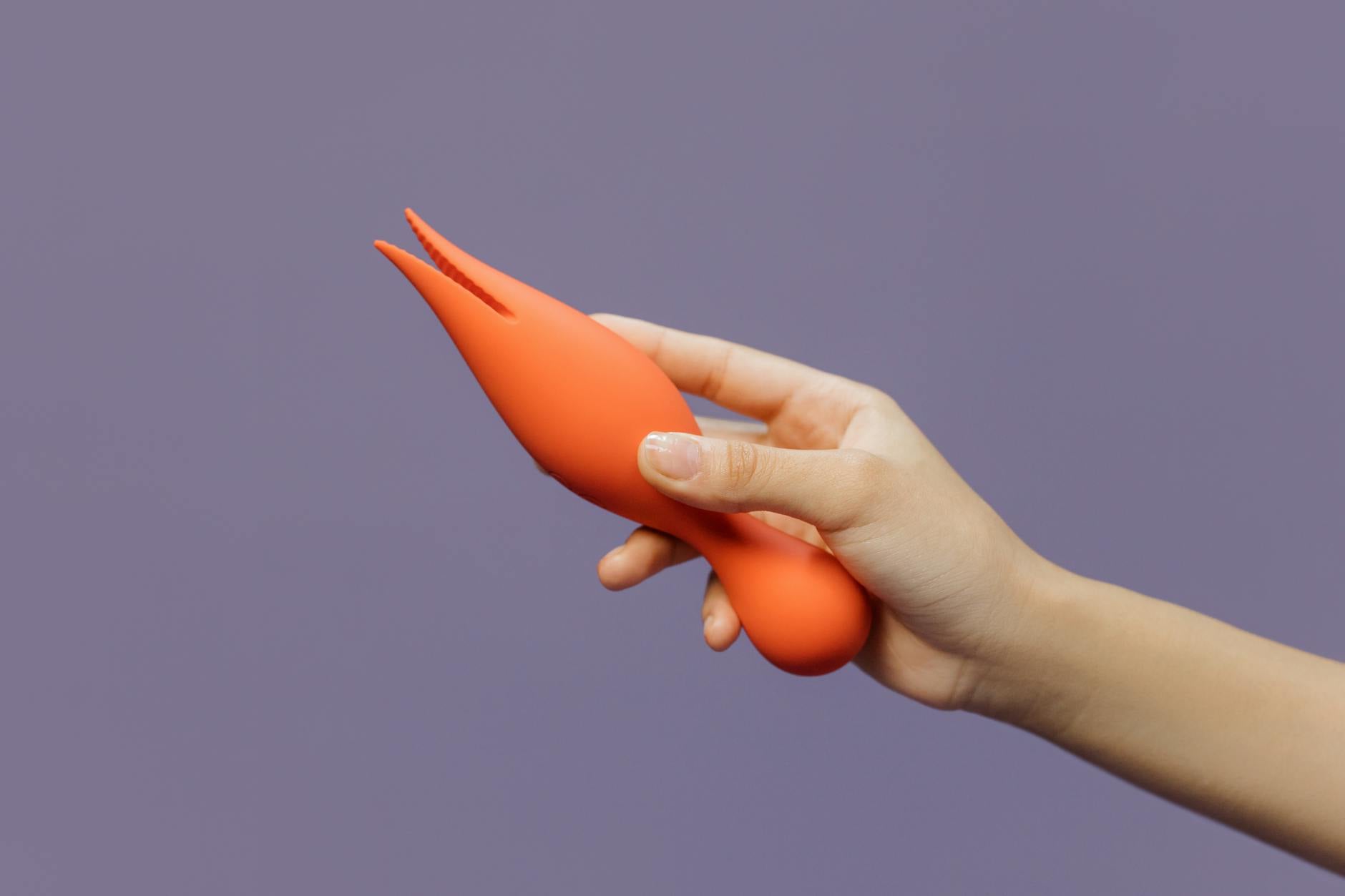
Photo by cottonbro studio on Pexels
Managing specific medication interactions
Antidepressants and anti-anxiety medications are among the most common culprits affecting arousal and sensation. SSRIs, in particular, can dull clitoral feeling. But numbness isn't permanent. It's a symptom that can be managed.
A lemon clitoral vibrator works especially well here because suction stimulation engages different nerve pathways than traditional vibration. You're getting intensity and signal clarity without relying on sensation that might already be dampened. Start on lower intensity and work up. Your nervous system might need a few sessions to wake up to the stimulus.
If you're on blood pressure medication or beta blockers, blood flow to the pelvic area might be reduced. Again, stimulation with a clitoral vibrator can help draw blood to the area, essentially priming the pump. Give yourself a longer warm-up window and expect arousal to be slower. That's not a problem. That's just information.
Pain medications like gabapentin or opioids can interfere with arousal in different ways. Gabapentin is often associated with reduced sensation. Some opioids suppress desire entirely. If this is you, the conversation with your provider about timing or dosage adjustments might be worth having. In the meantime, a lemon vibrator provides clear, reliable stimulation that doesn't rely on sensitivity you might not have.
The nervous system reset angle
People with chronic pain, autoimmune conditions, or trauma histories often have nervous systems stuck in sympathetic mode. Your body is in a low-level "threat" state. Arousal requires flipping toward parasympathetic activation. That shift doesn't happen instantly, especially if your system is already depleted.
A lemon clitoral vibrator can actually help facilitate that flip. The rhythmic stimulation provides a regulated, predictable input that your nervous system recognizes as safe. It's not demanding anything of you. It's not asking you to perform or sustain anything. It's offering sensation on your terms, at your pace.
Start with just holding the device, feeling its weight. Run it over your skin without turning it on. Let your system acclimate to the object before introducing sensation. For nervous systems in sympathetic overdrive, this pre-stimulation phase is crucial.
Energy management and flare-day pleasure
Chronic conditions come with bad days and slightly-less-bad days. On the bad days, full arousal might not be realistic. But quieter forms of pleasure still are.
A lemon vibrator is low-effort. You can use it lying completely still. You can use it for 5 minutes or 25 minutes. You can aim for orgasm or just aim for sensation and connection to your own body. Some days, the win is "I felt something good for 10 minutes." That counts.
On better days, you have more capacity. That's when you might aim for longer sessions, experiment with intensity levels, or focus on building toward orgasm. But there's no hierarchy where one type of pleasure is "better" than another. Energy conservation and quality of life matter more than performance metrics.
What to tell your partner if you have one
Multiple health conditions are not sexy to discuss. But they're essential to discuss if you want pleasure to happen consistently. Your partner needs to understand that your pleasure now has a specific context. It might happen at times that feel random to them. It might take longer. It might involve days where nothing is happening physically but you still want closeness.
Separate the conditions conversation from the desire conversation. "My body is managing multiple things right now, so arousal takes longer and my pain levels are unpredictable" is a logistics conversation. "I want us to stay connected through this" is a different conversation. Confusing them turns intimacy into a medical problem-solving session, which kills everything.
If your partner is resistant to lemon clitoral vibrators or sex toys generally, frame it as a medical tool, not a threat. Which it is. It's a tool that helps your nervous system access pleasure when medications and conditions have made that harder. That's not competing with your partner. That's you maintaining connection to your own body, which ultimately benefits any partnership.
When sensation comes back after numbness
Many people report that after months or years of managing medication side effects or chronic pain, sensation suddenly sharpens. This can be because you've adjusted to medication, because a condition has stabilized, or because you've finally found the right dose.
When sensation returns, you might be shocked. Clitoral stimulation that felt like nothing six months ago suddenly feels intense. This is actually good news, but it requires recalibration. You'll want guidance on how to use lemon vibrators when clitoral sensation feels overwhelming during this transition. Start on the lowest setting and assume your threshold has shifted.
The psychology of managing pleasure alongside illness
Here's what nobody tells you: managing multiple conditions while pursuing pleasure is an act of radical self-care. Your body is complex. It's doing a lot. And you're still choosing to meet it with curiosity instead of resentment.
That takes real psychological work. It means letting go of how pleasure "should" feel or happen. It means grieving what's changed while staying open to what's possible now. It means accepting that some days you won't have bandwidth for pleasure, and that's not a personal failure.
If guilt comes up when you're trying to prioritize pleasure while managing conditions, that's worth naming. Your nervous system might interpret pleasure-seeking as irresponsible when you're already managing so much. But pleasure is actually part of nervous system regulation. It's not selfish. It's maintenance.
FAQ
Can I use a lemon vibrator if I have arthritis in my hands?
Absolutely. The Lem by Hallo Nancy Lems is lightweight and ergonomic. If gripping is painful, you can rest it against your body or use it one-handed. There's no requirement to hold it tightly. The suction works through gentle contact.
What if my pain flares during arousal?
Stop. That's your body's signal. Pain during sex isn't normal and shouldn't be pushed through, even if you're managing chronic conditions. If pain appears consistently, mention it to your healthcare provider. It might indicate something unrelated to your baseline condition that needs attention.
Does numbness from antidepressants ever go away?
Yes, often. Some people adjust after a few months. Others benefit from timing adjustments or dosage tweaks. If numbness persists beyond six months, ask your provider about alternatives. There are SSRIs with lower sexual side effects, and augmentation strategies that can help.
Can I use a lemon vibrator if I'm managing multiple pain conditions and fatigue?
Yes. In fact, the low-effort design makes it ideal. You're not requiring your body to perform sustained physical activity. The device does most of the work while you lie still.
How do I know if a flare-up is just a flare-up or if something else is wrong?
You know your baseline. If pain during pleasure is significantly different from your usual pain pattern, or if sensation changes dramatically, that's worth checking with your provider. But temporary flares that match your typical patterns are just part of managing the condition.
Should I be using lube with a lemon clitoral vibrator?
It's optional with suction-based toys, but many people find a small amount of water-based lubricant helps the seal and increases comfort. If you have vulvar pain conditions, lube makes it even more important. Start without and add if you want more glide.
The real picture
Managing multiple health conditions while pursuing pleasure isn't about ignoring what's hard. It's about refusing to let those conditions write the whole story about your sexuality. Your body has changed. Your timeline has changed. The things that work have probably changed too.
But pleasure is still possible. Connection is still possible. Sensation is still possible. It just requires you to show up with honesty, patience, and tools designed for bodies like yours. A lemon clitoral vibrator is one of those tools. It's built for the constraints you're working with, not against them.
Your conditions are real. Your pleasure is real too. They can coexist. If you want to talk through what a pleasure practice looks like for your specific situation, get in touch. That's what we're here for.