
The thing nobody tells you about hormonal birth control
You start the pill. Everything works fine for a month, maybe two. Then something shifts. Your arousal takes longer to kick in, or lubrication feels less reliable, or your clitoris feels weirdly numb compared to how it used to respond. You wonder if something's wrong with you. It's not. It's the hormones.
Hormonal birth control (the pill, the patch, the ring, the shot, the implant) changes how your body produces and uses estrogen and progesterone. That's literally the point. But what nobody mentions in the side effects rundown is that these hormones also govern arousal, sensation, and natural lubrication. So when your contraceptive is doing its job, your pleasure is often collateral damage.
The good news: this is completely predictable, completely normal, and completely manageable. You don't need to switch methods if the birth control is otherwise right for you. You just need to understand what's happening, and then adjust your approach to pleasure. Lemon clitoral vibrators are actually brilliant for this specific problem.
What hormonal birth control actually does to sensation
Let's separate myth from biology. Hormonal birth control doesn't "kill" desire the way some people claim. What it does do is affect three specific things.
First, arousal speed. Estrogen and testosterone work together to prime your nervous system for excitement. When synthetic hormones replace your natural cycle, that priming happens less efficiently. Your body needs more time and more direct stimulation to reach the same arousal level. This isn't laziness. It's chemistry.
Second, lubrication. Estrogen literally signals your vaginal tissue to produce moisture. Lower or different estrogen from your birth control means less natural lubrication. Water-based lube becomes non-negotiable, not optional.
Third, clitoral sensitivity. The clitoris has two types of nerve endings: fast-twitch (which respond to quick, light touch) and slow-twitch (which respond to sustained pressure). Hormonal birth control tends to dial up sensitivity to the slow-twitch nerves while dampening the fast-twitch response. This means light vibration might feel less intense, while sustained pressure or suction feels more satisfying.
Why lemon vibrators work particularly well for this
A lemon sucker like the Lem uses air-suction technology rather than vibration alone. This matters for hormonally-shifted bodies for one simple reason: suction stimulates the slow-twitch nerve endings more effectively than traditional vibration does.
When you're on hormonal birth control and fast-twitch sensitivity is lower, a lemon clitoral vibrator's suction pattern gets around that dampening. You're directly stimulating the nerves that are still responsive, instead of relying on the ones that feel less intense right now.
This also means you don't need to increase intensity or speed to get the same sensation you used to feel. You can maintain comfort while accessing genuine pleasure.
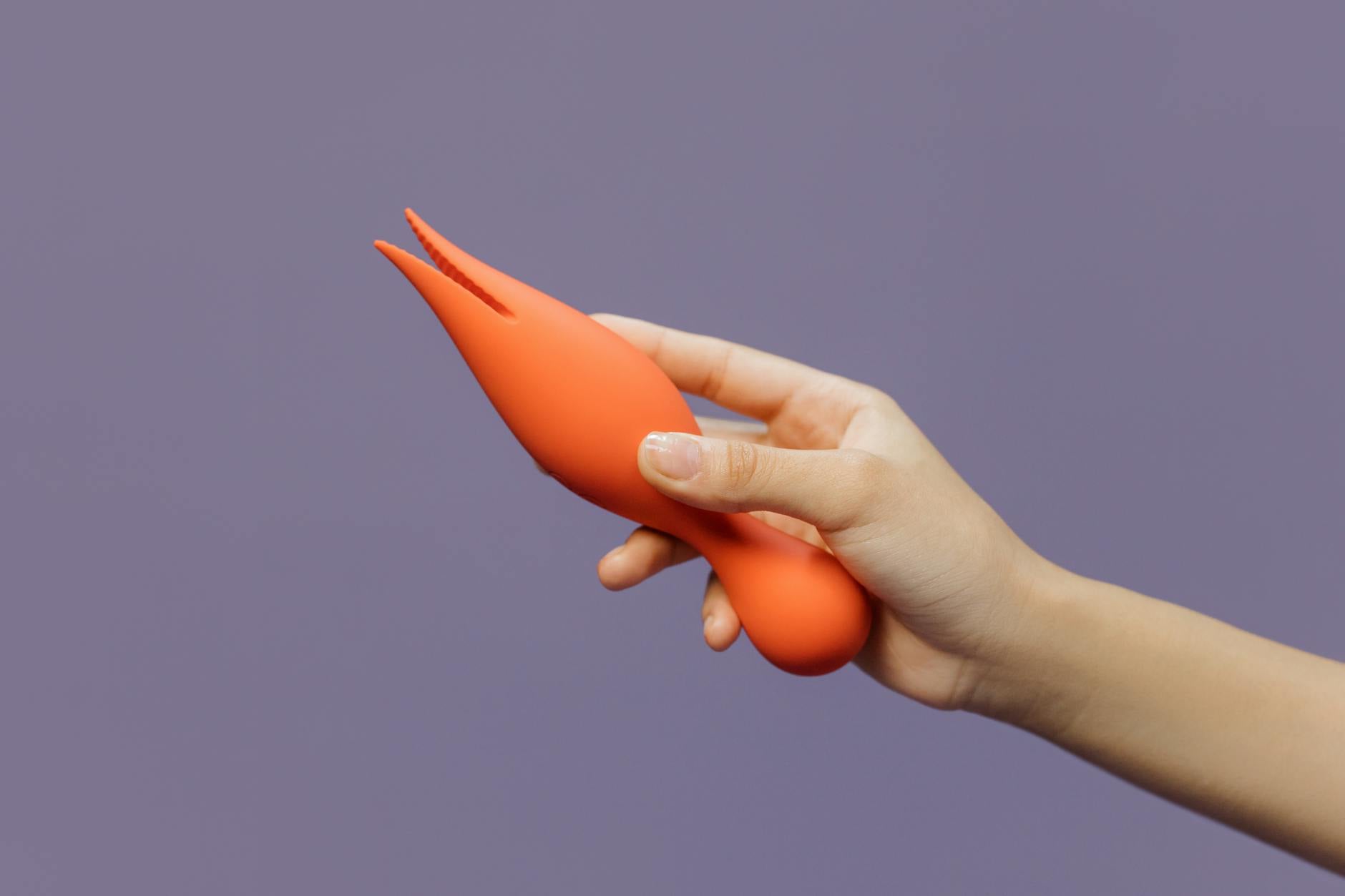
Photo by cottonbro studio on Pexels
The practical adjustments that actually help
If you're on hormonal birth control and your lemon vibrator isn't feeling as electric as it used to, try these four changes in order.
Budget more warm-up time. Arousal takes longer now. Give yourself 20-30 minutes instead of 10-15. This isn't a side effect to fight. It's just the new baseline. Use that time for fantasy, foreplay, or solo exploration. Your clitoris will thank you.
Use lube every time. Even if your body produces some natural lubrication, add water-based lube on top. It's not a sign of anything wrong. It's the physiological reality of your birth control's effects. Lube reduces friction, which means you can use lower intensity and still feel sensation clearly.
Start with the Lem's lower patterns. If you're used to jumping straight to pattern 3 or 4, reset to pattern 1 or 2. Let your body recalibrate to what "enough" feels like now. You can always increase intensity, but you can't un-numb your clitoris if you've overstimulated it.
Vary the pattern timing. Instead of running the same pattern for 10 minutes straight, switch between patterns every 90 seconds. This keeps your nerve endings engaged and prevents the adaptation that makes sensation fade over time.
When to consider switching birth control (and when not to)
If sensation changes are mild and you're managing them fine with adjustments like lube and the Lem's suction technology, there's zero medical reason to switch. Your birth control is preventing pregnancy, which is doing a lot of work. Don't sacrifice that for marginal sensation gains.
However, if arousal has almost completely disappeared, or if you're experiencing pain during sex, or if your desire has tanked alongside the sensation changes, that's a conversation worth having with a gynecologist or sexual health specialist. Some people find that switching from combined hormonal methods (estrogen plus progestin) to progestin-only methods helps. Others benefit from a different formulation with a different ratio of hormones.
The key: bring data to that conversation. Say "My arousal takes 40 minutes to build now instead of 10, and lubrication is less reliable." Don't say "Birth control killed my sex drive." Specifics help your doctor understand what's shifting physiologically.
The partner conversation that matters
If you're with a partner, the temptation is to hide the sensation changes and just soldier on. That's the trap. Here's what actually works: separate the physical conversation from the emotional one.
Physical: "My body is responding differently to my birth control. It takes me longer to get aroused, and my clitoris feels less sensitive to light touch. This doesn't mean I want you less. It means I need more time and more deliberate stimulation. Can we budget 30 minutes together instead of 20?"
Emotional: "I want to make sure we're still connected through this. What do you need from me to feel good in this transition?"
These are different conversations. If you mush them together, they both fail. One is logistics. One is intimacy. Treat them separately and you'll actually solve both.
The question of sensation returning
Here's what I've seen in my clinical work: for some people, sensation fully recalibrates within 2-3 months of starting a new hormonal method. The body adapts and finds a new normal. For others, the dampening is persistent for the entire time they're on that method.
Neither is permanent. If you switch birth control or go off it entirely, your sensation baseline will return to something closer to what it was before. But that doesn't mean you're broken in the meantime.
A lemon clitoral vibrator bridges that gap. You're not compensating for dysfunction. You're using smart technology designed for slower-to-build arousal and lower clitoral sensitivity. It's the same reason people use reading glasses. The tool matches your current physiology.
Tracking what actually changes
One thing that helps: keep a quick note for two weeks about arousal timing, lubrication need, and what intensity level of your Lem felt best. You'll spot patterns. Maybe lube matters on heavy flow days but not others. Maybe afternoon arousal is faster than evening arousal. Maybe suction patterns feel better than vibration patterns specifically.
That data is gold. It tells you what's actually happening instead of what you think should be happening. And it gives you something concrete to discuss with a doctor if the changes feel severe.
FAQ: Birth Control, Sensation, and Lemon Vibrators
Does the pill always reduce clitoral sensation?
Not always. Some people on hormonal birth control notice zero change in sensation. Others experience significant dampening. Genetics, dosage, and the specific type of hormone all matter. If you're experiencing a change, it's real. If you're not, that's also real. There's wide variation.
Can I use my Lem differently if my clitoris feels numb?
Absolutely. Start with the suction-only patterns (no vibration), increase warm-up time dramatically, use generous lube, and try the Lem at different angles. Some people find that angled pressure works better than direct pressure when sensitivity is dampened. Experiment systematically, not randomly.
Is it bad to use a lemon sucker if I'm on birth control?
No. Air-suction technology is actually particularly suited for hormonally-affected bodies because it stimulates slow-twitch nerve endings more directly than vibration alone. You're working with your current physiology, not against it.
Should I tell my doctor that my birth control changed my sensation?
Yes, if the change feels significant. Doctors aren't going to judge you for using a toy. They want to know if your birth control is creating problems you'd like to solve. They can't help solve a problem they don't know exists.
Will sensation come back if I switch to a different birth control?
Maybe. Some people find that a lower-dose pill or a different hormone formulation restores sensation. Others find that no hormonal method feels quite right, and that's when non-hormonal options (IUD, condoms, etc.) become worth exploring. Everyone's biology is different.
What if birth control affected sensation but my partner doesn't know how to help?
Show them this article. Specifically show them the partner conversation section. They probably don't know that hormonal birth control affects sensation this way. Most people don't. Once they understand it's chemistry, not lack of desire, they can stop taking it personally and start problem-solving alongside you.
The real story
Hormonal birth control doesn't break your pleasure. It recalibrates it. You're not less sensual or less responsive. You're working with a different physiological baseline. Understanding that difference, adjusting your approach with tools like lemon clitoral vibrators, and having honest conversations with your partner takes you from feeling broken to feeling informed.
Your pleasure matters. So does preventing pregnancy. Both can exist simultaneously. You just need to adjust the map for your current terrain.
If sensation changes feel severe or are affecting your quality of life, start a conversation with a sexual health specialist or your gynecologist. Have the data from your own observation ready. And know that you have options, whether that's switching birth control methods, adding tools like the Lem to your routine, or finding a completely different approach to contraception that feels right for your body.
Your birth control choice should protect your reproductive health without sacrificing your sexual pleasure. If it's not doing both, that's worth solving.