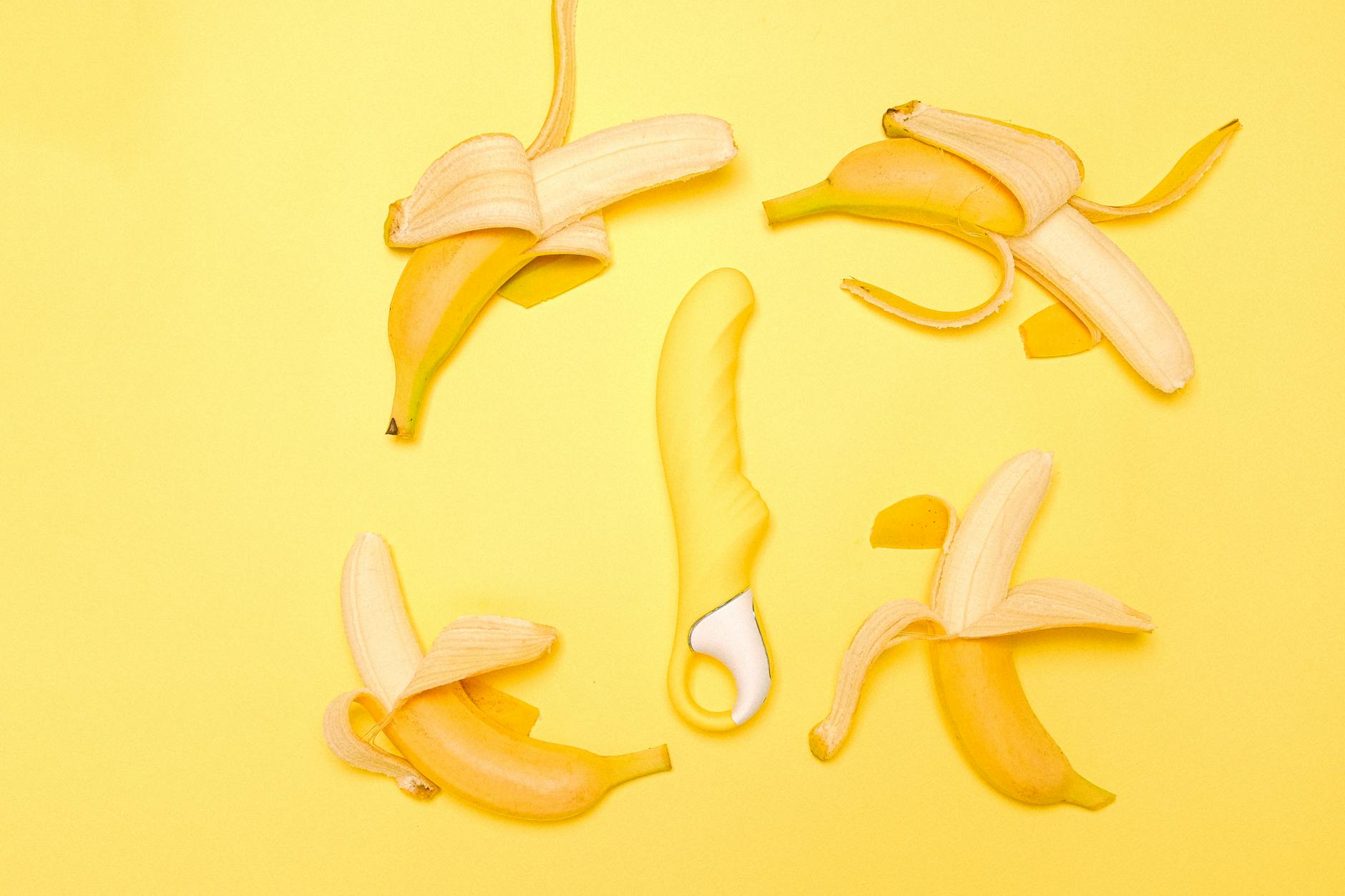
Let's talk about the part nobody explains
Surgery and medical procedures change your body temporarily. They don't change your right to pleasure. But the timing, approach, and safety rules are completely different from your usual routine, and most healthcare providers hand you a discharge sheet that says "no sexual activity for six weeks" and then leaves you to figure out the rest on your own.
Here's what actually matters for using lemon vibrators and clitoral toys during recovery.
The timeline depends on what happened, not just the calendar
Six weeks is a medical placeholder, not a law. Different procedures have wildly different recovery profiles.
If you had surgery on the abdomen, pelvis, or anywhere near the sexual anatomy (cesarean birth, hysterectomy, fibroids removal, dilation and curettage), the six-week window is real. Your surgeon is protecting incisions and internal stitches. External-only stimulation, though, sits in a gray zone that your doctor might clear earlier. Ask specifically: "Is clitoral stimulation with a device safe at week two? Week three?" Get it in writing.
If you had surgery far from sexual anatomy (breast, thyroid, general anesthesia for an unrelated procedure), you're often cleared much faster. Anesthesia side effects clear in days. Minor incisions heal in weeks. Your body isn't actively mending tissue where it matters.
Menstrual-related procedures like endometrial ablation or IUD insertion come with their own rules. Endometrial ablation requires a longer pelvic rest period because the lining needs to regenerate without interference. IUD insertion might feel tender for days, making external pressure uncomfortable, but internal stimulation could be off the table entirely for a few weeks.
None of this matters until you ask your surgeon or gynecologist directly. Don't assume. Get clarity.
Why your usual pressure and speed don't work yet
Your body right now is not your body at baseline. Even if your incision is invisible or already closed, tissue underneath is inflamed, stitches are holding things together, and nerves are reactivating after trauma. Using a lemon clitoral vibrator at full intensity the moment you're cleared is like asking someone on crutches to run a 5K because the cast came off.
Three specific things change how your body responds:
Inflammation. Swelling is still present even after the first week. Applying pressure to swollen tissue makes it angrier, not happier. This is why lighter touch matters.
Nerve reactivation. Anesthesia numbs everything. As sensation returns, your nervous system is hypersensitive. What felt medium-intensity before now feels intense. Your tolerance for stimulation is lower temporarily.
Psychological guard. Your brain is protecting the healing area. Even if tissue is fine, your nervous system might tense up when you try to pleasure yourself because part of your mind is still in "don't touch that" mode.
The actual safety rules for lemon vibrators in recovery
Three non-negotiables:
Rule One: Check the surgical site first. If your incision is anywhere near the area you're trying to stimulate, get medical clearance before any vibrator touches the region. If it's far away (arm surgery, facial procedure), you have way more freedom.
Rule Two: Start with the lowest setting. Lemon vibrators and clitoral vibrators typically have three to five intensity levels. Start at level one. Seriously. Your nervous system needs the reintroduction. Spend a few sessions there before moving up. This isn't about stimulation quality. It's about not shocking your healing body.
Rule Three: Never press directly on an incision or near stitches. Even if the incision is sealed, the tissue underneath is delicate. Keep vibration a safe distance away. If you had a cesarean, pelvic surgery, or abdominal work, external clitoral stimulation is fine, but angling away from the abdomen matters.
What external stimulation actually means during this phase
Here's where lemon clitoral vibrators shine during recovery. Unlike penetrative activity, which involves internal pressure and movement, external clitoral work is isolated, controllable, and often cleared sooner.
You can use a lemon vibrator on the vulva and clitoris without putting any pressure on healing internal tissue. The clitoris is a nerve center with thousands of endings concentrated in a small area. You don't need intensity or repetition to feel pleasure. Light suction vibrators like the Lem are actually ideal for post-op recovery because they work through gentle pressure and sensation, not aggressive friction.
Start with five to ten minutes of gentle exploration. You're not chasing an orgasm. You're reawakening sensation and reminding your nervous system that pleasure still exists. Some people climax easily. Others find that orgasm is harder to reach when the body is healing. Both are normal.
Managing pain, numbness, and weirdness
Pain is a stop sign. If a vibrator causes sharp pain, soreness beyond mild discomfort, or throbbing afterward, you're pushing too hard or too soon. Back off by one to two weeks, then try again.
Numbness is common, especially after procedures involving the pelvic floor or surrounding nerves. You might feel like sensation is muted or absent. This usually comes back over weeks to months. A lemon clitoral vibrator can actually help during this phase because the suction mechanism engages deeper nerve pathways. Some people with numbness find that stimulation returns faster with regular, gentle use.
Strangeness is also normal. Your body might feel disconnected from pleasure. You might feel emotional during stimulation when you normally wouldn't. Your orgasm might feel different, arrive at a different speed, or not happen at all. Recovery is weird. Your brain is still processing the trauma of surgery. Give yourself grace.
Partner involvement during recovery
If you have a partner, clarity matters. Tell them what your surgeon said. Show them this timeline stuff. Make it clear that external clitoral stimulation might be okay weeks before penetrative sex is on the table. Many partners assume all sexual activity is off-limits during the recovery window, which can feel isolating.
You can use a lemon vibrator together during recovery in ways that feel intimate and safe. Your partner might hold the device while you guide pressure and speed. You might use it on your own while they're present, which keeps connection alive without physical intensity. Some couples find that the reduced pressure of recovery actually deepens intimacy because it removes performance expectations.
When to check back in with your doctor
If pain increases after using a vibrator, you went too hard. If you experience bleeding or discharge beyond your normal post-procedure flow, dial back intensity. If you feel dizzy, lightheaded, or have signs of infection, stop and call your surgeon.
Most recovery-related pleasure is completely safe. Your doctor's job is to protect healing. Your job is to trust the timeline they gave you, ask specific questions about external stimulation, and listen to your body's signals. A lemon clitoral vibrator isn't going to break your recovery if you use it thoughtfully and early.
The mental piece: healing doesn't mean losing yourself
Surgery can feel like a violation of your body. Medical procedures remind you that you're fragile. Taking back pleasure, even in small ways, is a form of agency. Using a lemon vibrator during recovery isn't selfish. It's an act of self-reclamation.
Start slow. Ask your doctor. Use the lowest setting. Pay attention to pain. And remember that recovery isn't a race. Your body will heal. Your pleasure will return. And in the meantime, gentle clitoral stimulation can be part of feeling whole again.
People also ask
How soon after surgery can I use a vibrator?
It depends on the surgery type and location. If the incision is far from your genitals, you might be cleared within days for external clitoral stimulation. If surgery involved the pelvic area, abdomen, or reproductive organs, your surgeon will typically recommend waiting two to four weeks for external-only use and five to eight weeks before any penetrative activity. Ask your surgeon directly about external clitoral vibration specifically. They may clear it before penetration.
Can I use a lemon vibrator if I have internal stitches?
External clitoral stimulation with a vibrator is usually safe even with internal stitches, provided the vibrator never presses on the incision itself and your surgeon has cleared it. Internal stitches mean no penetration or internal pressure, but the clitoris is external. That said, get written clearance from your surgeon before trying anything. Assume no until they say yes.
Will using a vibrator during recovery slow down my healing?
No. Light external stimulation doesn't interfere with tissue mending or incision healing. What matters is that you don't apply pressure directly on the surgical site and you follow your surgeon's timeline for activity. Gentle clitoral vibration is isolated, doesn't create mechanical stress on healing tissue, and has no impact on blood flow or inflammation in a way that delays recovery.
What if orgasm hurts during recovery?
Orgasm involves muscular contractions throughout the pelvic floor and lower abdomen. If you're still healing from abdominal or pelvic surgery, those contractions can put stress on mending tissue and stitches, which can feel painful. This doesn't mean orgasms are dangerous; it means you might not be ready for them yet. Stop trying to reach climax, focus on sensation and pleasure without the goal, and wait another week or two before pushing toward orgasm again.
Is it safer to use a lemon vibrator or a traditional vibrator during recovery?
Lemon clitoral vibrators and suction-based devices are often gentler during recovery than traditional vibrators because they don't rely on repetitive vibration or friction. Suction creates gentle, consistent stimulation that many people find easier on sensitive post-op tissue. That said, any vibrator at the lowest setting is safer than high-intensity use. The safest choice is whatever your surgeon clears, at the lowest intensity, for the shortest duration that feels good.
Can I have an orgasm during recovery without delaying healing?
Yes, in most cases. An orgasm is a muscular and nervous system response. If your surgery was external and you're far enough into recovery, orgasm won't damage anything. If your surgery was abdominal or pelvic, contractions might put stress on healing tissue, making orgasm uncomfortable or inadvisable temporarily. Get your surgeon's specific clearance for climax, not just stimulation.
Moving forward
Recovery is temporary. Your pleasure is permanent. The timeline your surgeon gives you protects your healing. The patience you show your body during recovery honors the work it's doing. And a lemon vibrator, used thoughtfully and gently, can be part of feeling like yourself again, sooner than you might think.
If you have questions about what's safe for your specific procedure, reach out to your healthcare provider or contact Hallo Nancy Lems to talk through timing and approach.