Let's be real about hormonal shifts and pleasure
Your body doesn't stay the same. Estrogen fluctuates across your cycle. Progesterone rises and falls. After 40, things shift again. If you're on hormonal birth control, that's a different landscape entirely. Add in medication changes, stress, life transitions, or perimenopause, and the sensation you felt last year might feel completely different now.
The thing nobody tells you clearly: this doesn't mean your pleasure is broken. It means your pleasure has a new operating system. And once you understand how that system works, reconnecting becomes much simpler.
What actually changes when hormones shift
Here's the physiology without the jargon. Estrogen affects blood flow to genital tissue, lubrication production, and how sensitive your nerve endings are. When estrogen dips, tissue gets thinner, lubrication takes longer to build, and it can feel like your clitoris needs more (or less) direct pressure than it used to. Testosterone, which everyone with ovaries produces, affects desire and sensation intensity. Progesterone can make arousal feel more muted, especially in the second half of your cycle.
But here's what doesn't change: your capacity to feel pleasure, to orgasm, or to experience intense sensation. The neural pathways are still there. The nerves are still there. What's different is the approach.
Most people assume they need to chase the same sensation they felt before. That's like trying to open a new lock with an old key. The lock is fine. The key just needs adjusting.
Why sensation feels different (and sometimes better)
Two things happen when hormones shift. First, sensation often becomes more concentrated. The broad, building arousal you felt at 25 might narrow into something sharper and more intense at 45. Second, you often develop better awareness of what actually works for your body right now, which means less fumbling and more directness.
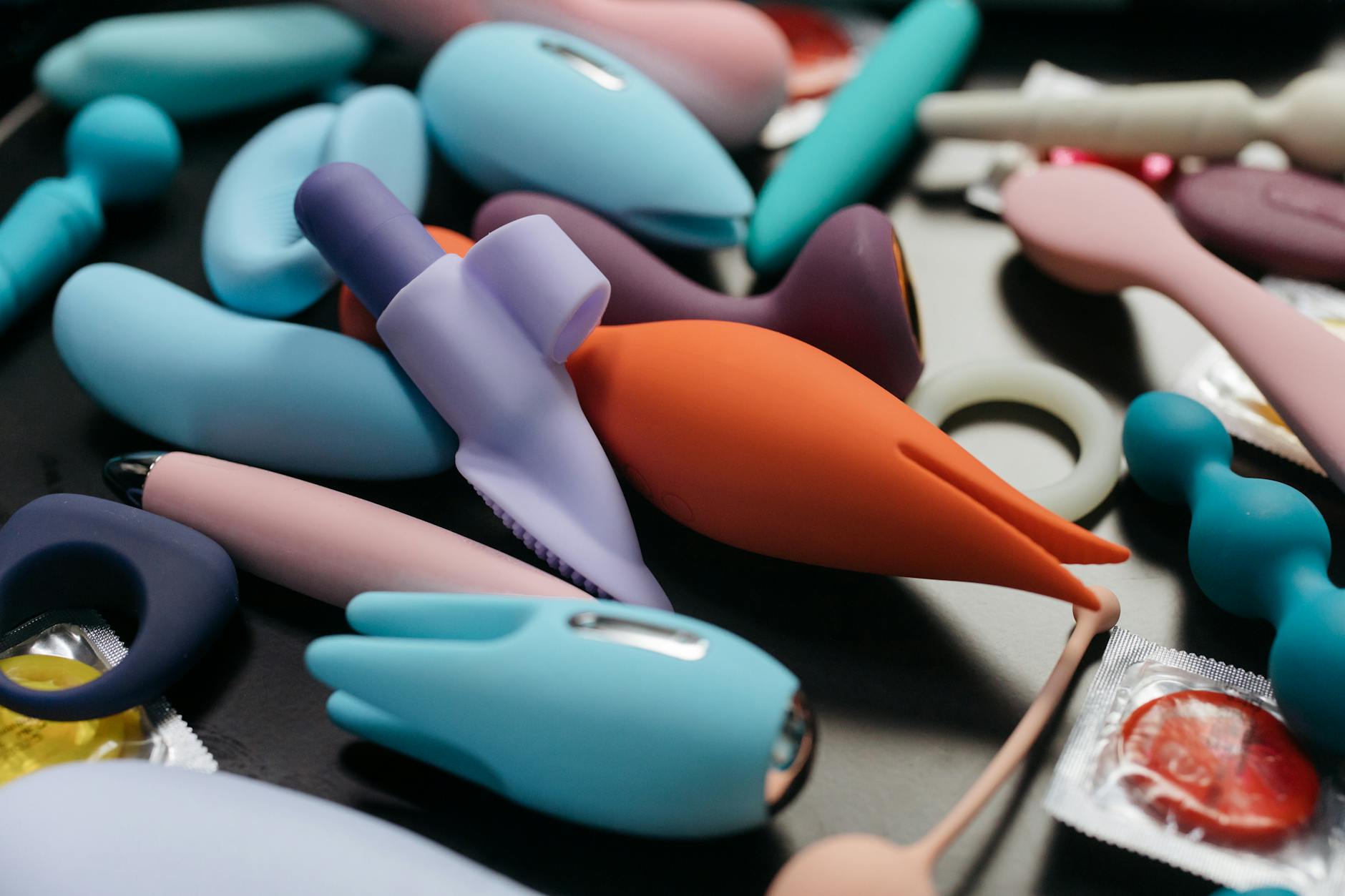
That's where lemon vibrators make a real difference. The design of the lemon clitoral vibrator, especially the suction and pulsing patterns, creates stimulation that works with hormonal changes instead of fighting them. Air-pulse technology doesn't require the kind of sustained pressure that can feel uncomfortable on thinner tissue or too intense when sensation is heightened. You get focused stimulation without harsh friction.
The three biggest barriers people hit (and how to work around them)
Barrier 1: Arousal takes longer now. Your body isn't broken. You're just not operating on the same timeline. Budget 20 to 30 minutes instead of 5 or 10. Extend foreplay, use lemon vibrators earlier in the process, and let your body warm up at its own pace. Patience here changes everything.
Barrier 2: Direct pressure feels too intense. After hormonal shifts, many people find that what used to feel good now feels raw or overstimulating. This is where a lemon sucker's gentler approach wins. Start on lower intensity patterns, build slowly, and let sensation develop rather than forcing it.
Barrier 3: Lubrication needs support now. Water-based lubricant isn't a sign of failure. It's a tool that works better with your current body. Use it freely. Silicone lube feels richer and lasts longer, but it can degrade silicone toys, so stick with water-based if you're using lemon sexual toys made from silicone.
How to ease back in: a practical framework
Start by getting curious, not critical. Notice what's different without judgment. Is arousal slower? Does sensation peak differently? Does a particular intensity level feel uncomfortable now? These observations aren't problems. They're just data.
Then experiment methodically. If you haven't used lemon vibrators before, start with a basic model like the Lem rather than jumping to advanced options. If you have, revisit your favorite intensity patterns but give yourself permission to use them differently now. Many people find that patterns they once used as finishers become their new starters.
Start sessions with intention. Set aside time when you're not rushed, stress is lower, and you can be alone with no interruptions. Hormonal changes often mean arousal needs clearer mental conditions. Less background noise, fewer distractions, more focus. That's not a downgrade. It's just your new setup.
Use lubrication generously. Really generously. Reapply halfway through if you need to. This isn't a sign something's wrong. It's how your body works now, and supporting it makes everything feel better.
Let lemon clitoral vibrators do the precision work. Because air-pulse technology creates sensation without blunt force, you can use it longer without numbing or discomfort. This means you can explore more variations and find patterns that work specifically for your post-shift body.
The role of partnership (if that applies to you)
If you're with a partner, separate the conversation about your body from the conversation about your relationship. "My sensation is different now" is a body fact. "I want more emotional connection" is a relationship fact. They're not the same problem, and confusing them muddles both conversations.
Invite your partner to be curious with you rather than making them responsible for figuring out what works. You know your body better than anyone. Show them what you've discovered. Lemon vibrators aren't a replacement for partner involvement. They're a tool that helps you understand your own pleasure more clearly, which makes partnered sex clearer too.
When to check in with a professional
If pain shows up during or after sex, see a doctor. Not later. Genitourinary syndrome is treatable, often with topical creams that work in weeks. If arousal has completely flatlined and isn't budging with exploration and time, talk to a gynecologist or therapist. Sometimes hormonal shifts reveal relationship issues or mental health changes that deserve attention.
Otherwise, give yourself grace. Hormonal changes are real. They reshape your pleasure landscape. But the landscape is still beautiful. It's just different. And once you stop fighting the difference and start exploring it, you often discover sensations and orgasms that feel richer and more intentional than anything that came before.
FAQ: Hormonal shifts and pleasure
How long does it take to adjust to pleasure changes after hormonal shifts?
There's no fixed timeline. Some people notice shifts within weeks of a hormonal change. Others take months to fully map their new pleasure patterns. The key is consistency and curiosity, not speed. If you're exploring regularly, you'll usually figure out what works within 4 to 8 weeks. Patience beats pressure every time.
Can lemon vibrators help with arousal that feels slower now?
Yes, but not in the way you might think. They don't speed up arousal. What they do is make arousal easier to build because air-pulse stimulation is more forgiving on tissue that's shifted. You'll still need time to warm up. You'll still need lubricant. But once you're partially aroused, a lemon clitoral vibrator creates focused sensation that helps you get the rest of the way there without struggle.
Is it normal for orgasms to feel different after hormonal changes?
Completely normal. Orgasms can feel sharper, more diffuse, faster to arrive, harder to reach, or completely different in intensity. Some people report that post-hormonal-shift orgasms feel deeper. Others find them more localized. None of these are better or worse. They're just different versions of the same pleasure response. Let yourself feel what you feel without comparing it to old sensations.
What if lemon vibrators feel too intense for my new sensation level?
Start at the lowest intensity setting and stay there for several sessions. Your body will adapt. Many people who felt overwhelmed at setting 3 end up loving that intensity after their nervous system gets used to it. If lowest setting is still too much, explore air-pulse toys with even gentler patterns, or consider that this might be a sign to slow down, add more lubrication, or extend foreplay even longer.
Can hormonal birth control change how pleasure feels?
Absolutely. Different formulations affect sensation differently. Some people feel more pleasure on certain pills. Others feel dampened. If you've noticed changes since starting or switching birth control, that's likely the reason. You have options: adjusting your birth control formulation with your doctor, or exploring how to work with your current body rather than fighting it. Lemon vibrators work well either way.
How do I know if my pleasure changes are hormonal or something else?
Hormonal changes usually correlate with a specific event or transition: starting birth control, coming off it, entering perimenopause, medication changes, or a particular phase of your cycle. Keep a simple note of when changes happen and when in your cycle or life timeline they occur. You'll start seeing patterns. If changes seem random or accompanied by pain, see a doctor. If they follow a pattern, your body is likely just adapting to hormonal shifts.