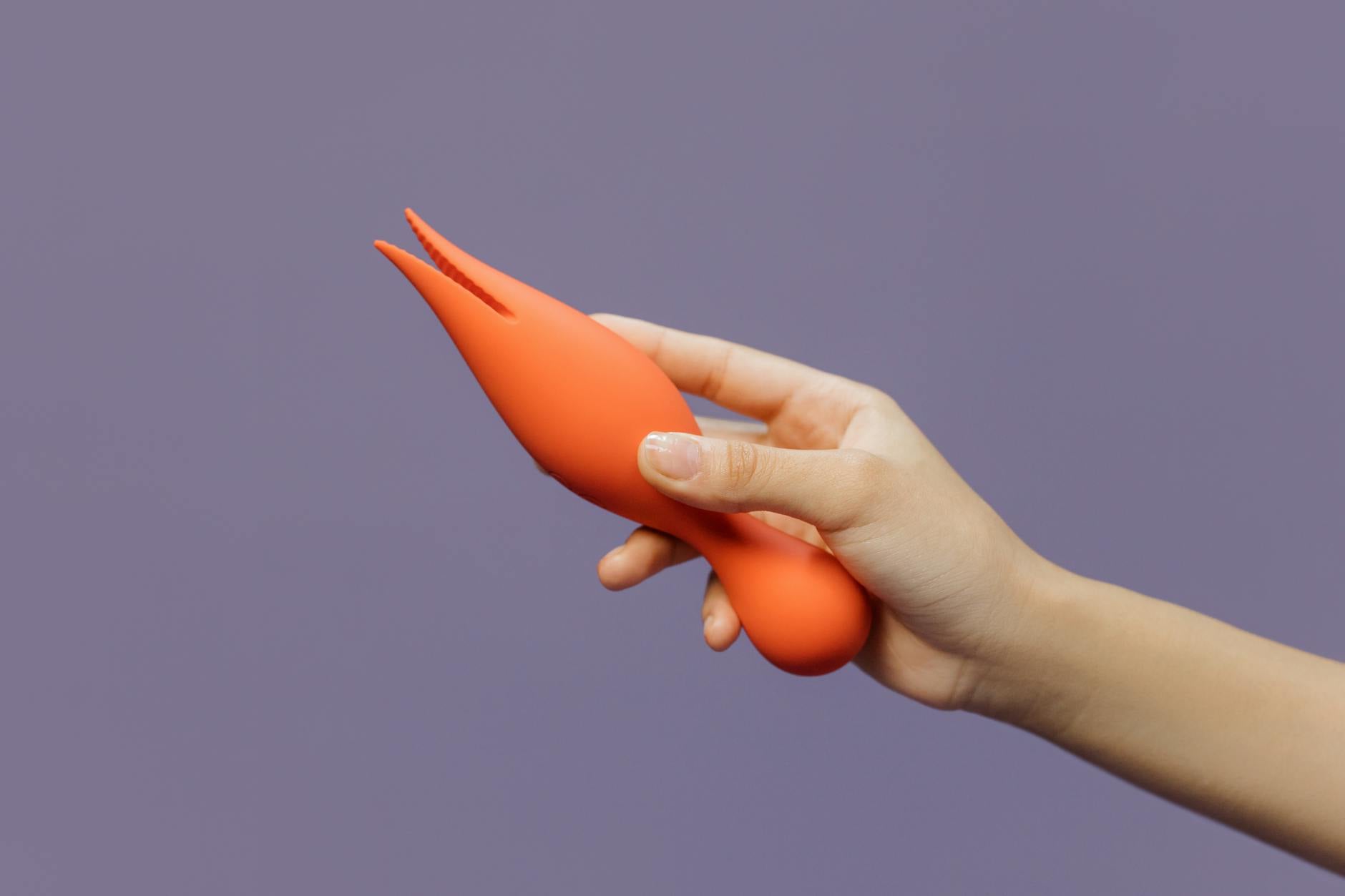
When sensation goes quiet
Honestly, this happens more often than anyone talks about. Your body used to respond reliably to touch. Then something shifts. Birth control changes. Hormonal IUDs settle in. Perimenopause begins. Medication side effects kick in. Suddenly, the same touch that used to spark something barely registers. It's not that you've lost desire. It's that the hardware between intention and response got quieter.
The frustration is real. Your brain wants arousal. Your vulva doesn't seem to be getting the memo. This is where most people either white-knuckle their way through sex or give up entirely. But there's a third option, and it starts with understanding how hormones actually affect sensation.
How hormonal shifts dampen sensation
Estrogen and progesterone don't just regulate your cycle. They directly affect nerve sensitivity in your clitoris and vulva. When these hormones drop or fluctuate, the tissue literally becomes less responsive. The nerve endings don't fire as quickly. Touch that used to feel electric now feels like background noise.
This is why traditional vibrators often feel useless during these windows. A standard vibrator relies on friction and direct pressure. If your nerves are already sluggish, adding repetitive buzzing just feels like... buzzing. Nothing more.
The clitoris also has a built-in sensitivity threshold. When hormones are depleted, that threshold rises. You need more intense stimulation to cross it, which can feel overwhelming or uncomfortable on tissue that's already compromised by dryness or thinning.
Why lemon suction vibrators work differently
Lemon vibrators (and other clitoral suction toys) use a completely different mechanism. Instead of vibration alone, they create gentle pulsing suction around the clitoris. This stimulates a much broader nerve network than vibration does.
Think of it this way: vibration is like tapping. Suction is like drawing. Suction engages the deeper nerve clusters in and around the clitoral body, not just the surface. When your surface nerves are dampened by hormonal changes, suction reaches the structures underneath that are still responsive.
For people experiencing reduced sensation, a lemon clitoral vibrator can feel like suddenly turning up the volume on sensation you thought was gone. You're not forcing harder arousal. You're using a different sensory pathway that isn't as affected by hormonal shifts.
The timing advantage with delayed arousal
Hormonal changes don't just reduce sensation. They also extend the time it takes to become aroused. What used to happen in 5 minutes now takes 20. Frustration sets in. You doubt whether it's going to happen at all.
Lemon clitoral vibrators compress that timeline. Because they stimulate such a concentrated area of nerve density, arousal can begin faster, even when hormonal conditions aren't ideal. This isn't willpower or mental effort. It's biomechanics.
Many people find that starting with suction earlier in foreplay, before they feel they need it, actually helps their body catch up to their brain's intention. By the time you're genuinely aroused, the sensation has returned to something recognizable. The window of frustration shortens dramatically.
The comfort factor that matters most
When sensation is dampened, intensity becomes the enemy. You need stimulation strong enough to register, but not so strong it hurts or feels overwhelming on sensitive tissue.
Traditional vibrators force a choice: weak settings that don't work, or strong settings that feel too sharp. The lem vibrator and similar lemon adult toys split the difference. Suction creates strong sensation without the blunt force of high-frequency vibration. You get what feels like real intensity without the physical pressure that can be uncomfortable.
For people taking hormonal contraceptives or experiencing perimenopause or early menopause, this distinction changes everything. You're not white-knuckling through discomfort. You're working with your body's actual capacity in that moment.
When to expect results
Unlike some fixes, this is usually immediate. The first time most people try a lemon clitoral vibrator during a low-sensation window, they notice a difference within 30 seconds. That's not placebo. That's a different nerve pathway lighting up.
Over time, if you're using suction vibrators regularly during periods of hormonal fluctuation, you may notice that sensation returns more quickly overall. Your body seems to remember how to respond faster. Whether that's neurological adaptation or just the relief of regular pleasure, the practical result is the same: the gap narrows.
Combining tools for better results
If you're dealing with reduced sensation plus dryness from hormonal changes, pair a lemon vibrator with a good water-based lubricant. The lube doesn't replace suction, but it amplifies it. It also protects tissue that might be thinner or more fragile than usual.
Some people find that starting with manual or partner touch to warm up, then transitioning to a lemon clitoral vibrator once arousal begins, works better than jumping straight to the toy. The combination approach often feels less jarring and gives your nervous system time to recognize what's happening.
For longer sessions, switching between suction and other sensations (partner touch, different toys, or just pausing) helps avoid the numb-out that can happen with sustained stimulation. Your clitoris needs variation to stay engaged.
Understanding this isn't forever
If your reduced sensation is tied to a specific hormonal event (medication switch, IUD insertion, cycle timing), then the window is temporary. Using a lemon vibrator during that window isn't a concession. It's meeting your body where it actually is, not where it was.
If sensation loss is tied to longer-term hormonal shifts like perimenopause, consistency matters more. Regular pleasure, even when it requires different tools, actually helps maintain nerve sensitivity over time. Your body responds to what you do with it.
The point isn't to become dependent on toys. It's to have working solutions so pleasure doesn't disappear while your hormones are recalibrating.
When to check in with a professional
If sensation loss is sudden and severe, or if it's accompanied by pain or discharge changes, talk to your doctor. Sometimes reduced sensation signals something that needs medical attention. More often, it's simple hormonal fluctuation, but ruling out other factors is worth the conversation.
If arousal still feels impossible even with different tools, that's also worth exploring with a therapist or healthcare provider. Sometimes sensation loss is hormonal. Sometimes it's relational, emotional, or a side effect of medication. The tools help when the barrier is sensory. They won't fix it if the barrier is elsewhere.
The takeaway
Reduced sensation after hormonal changes is common, frustrating, and almost always solvable. A lemon vibrator isn't magic. It's a smarter tool for a specific problem. When your nervous system is quieter, suction reaches it more effectively than vibration alone. That's not marketing. That's neurology.
Your pleasure matters, even when your hormones are being difficult about it. Having the right tools makes the difference between frustration and genuine relief.
People also ask
Why don't regular vibrators work when hormones change?
Traditional vibrators rely on friction and surface-level nerve stimulation. When hormonal changes dampen nerve sensitivity, surface stimulation alone often doesn't reach the threshold needed for arousal. Suction engages deeper nerve clusters that remain responsive even when hormones are low, making lemon vibrators more effective for reduced sensation.
Can a lemon clitoral vibrator help with hormonal birth control side effects?
Yes. Many people experience reduced arousal and sensation as a side effect of hormonal contraceptives, especially in the first few months. A lemon clitoral vibrator can help bypass that dampened response by using a different stimulation method. If the effect persists beyond three months, talk to your doctor about adjusting your prescription.
How long does it take to feel sensation return after using a lemon vibrator?
Most people notice immediate sensation during use. Your arousal response may feel muted, but the suction creates distinct, recognizable sensation right away. That's different from traditional vibrators, where you might not feel anything until settings are very high. Consistent use during low-sensation windows can help sensation return more quickly overall.
Is reduced sensation after hormonal changes permanent?
Almost never. If sensation loss is tied to a specific medication or hormonal event, it typically returns once that factor changes. If it's part of perimenopause or menopause, sensation can fluctuate but rarely disappears completely. Regular pleasure and good blood flow to the area both help maintain and restore sensitivity over time.
Can I use a lemon suction vibrator if I have hormonal sensitivity or fragile tissue?
Yes, and often better than traditional vibrators. Because suction creates sensation without harsh vibration, it's often more comfortable on sensitive or thinner tissue. Start on the lowest setting, use water-based lubricant, and listen to your body. If suction feels too intense, pull back the intensity rather than abandoning the tool entirely.
What's the difference between a lemon vibrator and other clitoral toys for reduced sensation?
Lemon vibrators specifically use air-pulse or suction technology that stimulates a broader nerve network than standard vibrators. This makes them particularly effective when surface-level nerve response is dampened by hormonal changes. They're gentler on tissue while delivering stronger sensation. Other toys like wand vibrators can work, but they usually require higher intensity, which may be uncomfortable when tissue is compromised.
What to do next
If hormonal changes have left your sensation muted, a lemon clitoral vibrator is worth trying. Many people find it's the tool that finally makes arousal possible again during these windows. Start low, use lubricant, and give it time. Your body will tell you whether this is the right solution.
If you have questions about whether this approach is right for your specific situation, reach out. We're here to help.